7 Tips for Choosing the Right Chrome Plated Valve
Choosing the right Chrome Plated Valve requires more than comparing prices or polished surfaces. The valve may look excellent in a product photo, yet perform poorly under heat, pressure, or repeated cycling. A reliable choice starts with the actual application, including fluid type, operating temperature, pressure range, and connection size.
This guide presents seven practical tips for evaluating each option. It examines body materials, chrome plating quality, sealing performance, pressure ratings, and compatibility with existing pipes. It also considers handle design and maintenance access. These details matter in real installations. A stiff handle can slow emergency shutoff. A damaged coating can expose the underlying metal. A mismatched seal may leak after only a few weeks.
Professional inspection experience shows that small specifications often prevent expensive failures. Buyers should request test records, dimensional drawings, and clear warranty terms. They should also confirm whether the manufacturer follows recognized quality procedures. Product certificates help, but they do not replace careful inspection. Check the threads. Inspect the plating. Ask difficult questions.
Some choices remain imperfect. A lower-cost valve may suit a light-duty system, but not continuous industrial service. A highly polished finish may improve appearance without improving corrosion resistance. Marketing language can also hide important limitations. This outline helps readers compare evidence, identify practical risks, and select a Chrome Plated Valve with greater confidence. The best decision balances performance, service life, installation conditions, and long-term maintenance rather than appearance alone.
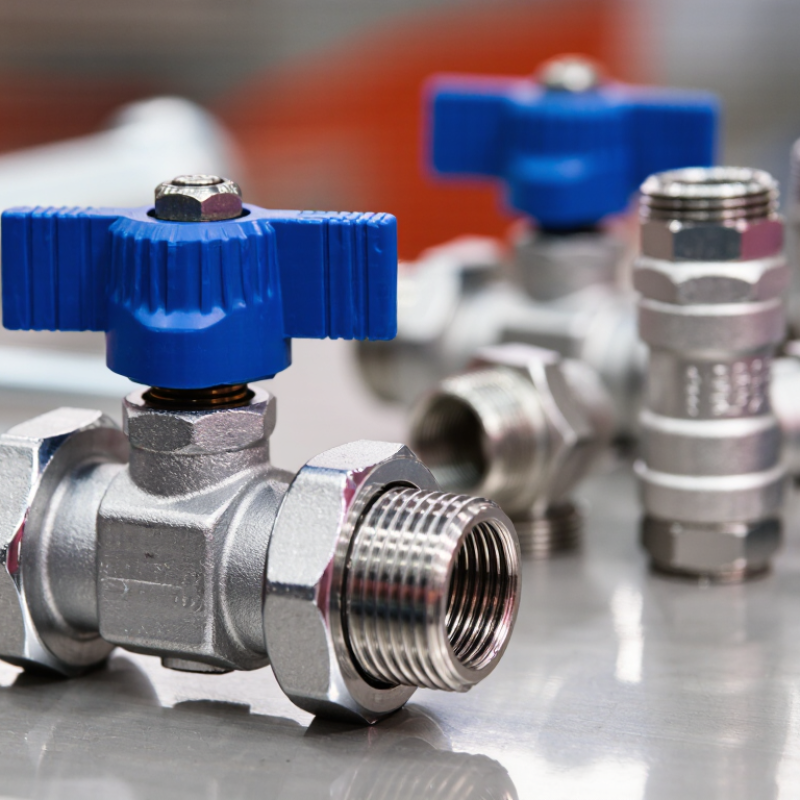
Understand Chrome Plated Valve Structure and Operating Principles
A chrome plated valve combines a pressure-rated body, internal trim, a stem, seals, and a seating surface. The chrome layer usually protects selected metal surfaces from abrasion and moderate corrosion. It also creates a smoother contact area. However, plating is not the valve’s entire structure. The base material still determines strength, temperature tolerance, and pressure performance.
When the handwheel turns, the stem moves the disc, ball, or plug across the flow path. A gate valve lifts its closure member, while a ball valve rotates it through ninety degrees. The seat then presses against the closure surface to limit leakage. Small details matter. A damaged seat can defeat a perfect-looking chrome finish. During inspections, check the stem for uneven movement, the seals for swelling, and the plated surface for peeling or scratches. I have found that excessive operating force often signals misalignment, contamination, or incorrect pressure conditions. It should not be treated as normal.
Selecting the correct valve requires matching its structure to the service conditions. Review fluid type, operating temperature, pressure, connection size, and required flow control. Chrome plating may improve wear resistance, but it cannot repair poor installation or unsuitable sealing materials. Some assumptions fail here. A valve that works smoothly during a bench test may struggle after exposure to heat, vibration, or abrasive particles. Follow the manufacturer’s technical data and inspect the complete assembly, not only its bright surface.
Match Valve Materials to the Application Environment
7 Tips for Choosing the Right Chrome Plated Valve
Match Valve Materials to the Application Environment
A chrome plated valve should fit the environment, not just the equipment drawing. Chrome plating can improve surface hardness, reduce friction, and resist moderate wear. However, it is not a universal corrosion barrier. Identify the fluid, temperature, pressure, flow speed, and cleaning method before selecting the valve. A dry workshop differs greatly from a humid coastal plant. Small differences matter.
Check the valve body and trim materials beneath the plating. Carbon steel may suit dry, controlled service, while stainless steel often performs better around moisture or aggressive cleaning agents. Confirm the plating thickness, bonding quality, and surface finish from reliable test records. Look for pinholes, edge damage, or flaking around threads. These defects can expose the base metal quickly. They are easy to miss.
Consider the seals, stem, bolts, and nearby piping as one system. An excellent chrome surface cannot compensate for an incompatible seal. Abrasive particles may also wear the coating faster than expected. In field inspections, contamination is often underestimated. I have seen valves selected correctly on paper but fail because grit entered during installation. That mistake deserves attention. Review chemical compatibility charts and applicable pressure standards with a qualified engineer. Also allow for temperature cycling, because repeated expansion can weaken a poorly prepared coating.
Evaluate Pressure, Temperature, and Flow Requirements
When choosing a chrome plated valve, pressure is the first number I verify against the system’s real operating range. Do not size it from normal pressure alone. Pumps can create short surges during startup or shutdown. Check working pressure, test pressure, and pressure drop in the technical documentation. A valve rated barely above the expected maximum may leave too little safety margin.
Temperature changes material behavior. Record the coldest startup temperature and the hottest continuous condition, including cleaning cycles. Chrome plating can improve surface hardness and wear resistance, but it does not make every seal suitable for heat. Review body, stem, seat, and gasket limits separately. I have seen otherwise sound installations fail because one small seal was overlooked. That mistake is easy to repeat.
Flow requirements need practical measurements, not guesses. Note the fluid type, viscosity, flow rate, and required control accuracy. A valve that is too small may cause excessive velocity, noise, and erosion. An oversized valve can operate near its seat, where control becomes unstable. Ask for the valve’s flow coefficient and compare it with the system calculation. Leave room for uncertainty. Field conditions rarely match the worksheet perfectly. Inspect the finish for scratches, and confirm compatibility with the fluid and environment before installation. If the pressure, temperature, or flow data is incomplete, pause the selection and measure again.
Compare Plating Quality, Corrosion Resistance, and Service Life
7 Tips for Choosing the Right Chrome Plated Valve
Chrome appearance can hide weak preparation. Inspect the base metal, polishing marks, edge coverage, and any exposed pores. Tip 1: Request coating thickness readings from several valve areas, not only the center. Tip 2: Ask for adhesion results and test methods. ASTM B571 provides recognized procedures for evaluating metallic coating adhesion. A bright surface is not proof of strong bonding.
Corrosion resistance depends on environment, temperature, chemicals, and maintenance. The NACE IMPACT study estimated global corrosion costs at about US$2.5 trillion, equal to 3.4% of global GDP. That figure shows why plating quality deserves careful attention. Tip 3: Match the valve to its fluid and chloride exposure. Tip 4: Review salt-spray results, but do not treat ASTM B117 hours as a direct service-life promise. Salt spray can compare samples, yet field conditions differ. Tip 5: Check sealing surfaces and threaded areas for complete, even coverage.
Service life also depends on wear, pressure cycling, and installation quality. ISO 9223 uses atmospheric corrosivity categories, but it cannot replace site-specific evaluation. Tip 6: Request a documented inspection plan, including thickness records and batch traceability. Tip 7: Compare the warranty with realistic operating cycles, not calendar years alone. In practical inspections, small scratches around threads often become early corrosion points. I would not ignore them. A cheaper valve may still perform well, but only when its coating data fits the actual duty.
7 Tips for Choosing the Right Chrome Plated Valve
Compare plating quality, corrosion resistance, and expected service life before selecting a valve for your operating environment.
The chart uses representative engineering planning values for three common chrome-plating specifications: approximately 8, 20, and 40 μm of chrome thickness, corresponding to indicative neutral salt-spray resistance of about 96, 240, and 480 hours. The service-life figures are practical estimates for properly installed valves in controlled water or indoor industrial applications; temperature, chemicals, pressure cycles, substrate quality, and maintenance can significantly change actual results.