How to Achieve CNC Precision in Manufacturing Processes?
Achieving CNC precision in manufacturing is critical for industry success. According to the 2023 Precision Manufacturing Report, about 67% of manufacturers emphasize CNC precision as a key factor for quality assurance. This statistic highlights the growing importance placed on precise machining processes. Expert Dr. Michael Carter, a renowned figure in CNC technology, stated, "CNC precision is not just a goal; it's a necessity in modern manufacturing." His insights resonate with many manufacturing leaders today.
CNC precision can lead to improved product consistency and reduced waste. However, not all companies fully harness this potential. Some manufacturers still face challenges in equipment calibration and skill development. These shortcomings often trigger costly errors. The industry must acknowledge these flaws while striving for continuous improvement. Innovations in software and hardware are reshaping CNC practices, yet inconsistent adoption remains an issue.
Moreover, companies often overlook the significance of routine maintenance. A machine not properly maintained will lag in precision. Consequently, investing in training and technology can significantly enhance outcomes. Embracing CNC precision requires not only advanced tools but also a commitment to fostering a culture of excellence and learning within the workforce.
Understanding CNC Technology and Its Importance in Precision Manufacturing
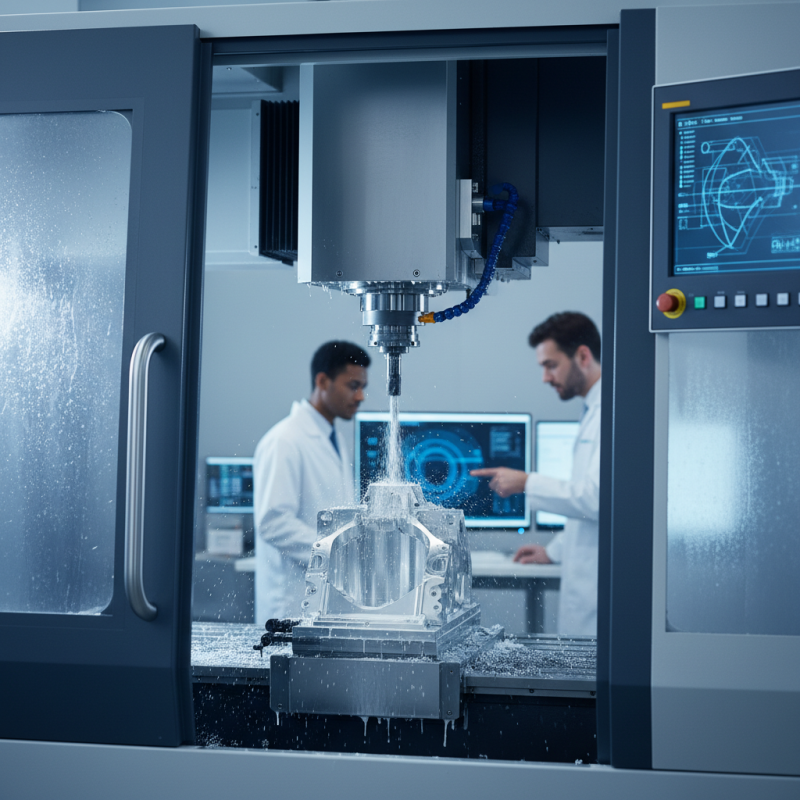
CNC technology has transformed precision manufacturing. It allows for intricate designs and exact measurements. Understanding its mechanics is essential. CNC, or Computer Numerical Control, drives machines based on programmed instructions. This ensures consistency in production.
Precision is the heart of manufacturing. A slight error can lead to significant problems. Manufacturers often focus too much on speed. However, quality should never take a backseat. It’s easy to overlook small details during high-speed production. Regular calibration and maintenance are crucial.
Mistakes happen in even the best facilities. A missed decimal point can create flaws. These errors can have costly repercussions. It’s vital to reflect on processes. Continuous improvement is key. Embracing CNC technology, while addressing its challenges, can lead to exceptional outcomes.
Essential Components of CNC Machines for Enhanced Accuracy
CNC machines rely on several essential components to achieve high precision. A critical element is the spindle, which holds and rotates cutting tools. The quality of the spindle directly affects the accuracy of cuts. A poorly calibrated spindle can lead to uneven surfaces. Choosing the right spindle speed is also vital. Too fast or too slow can compromise the final product.
Another key component is the linear guideways. They help maintain the correct alignment during machining processes. Worn-out or misaligned guideways can introduce significant errors. Regular inspection and maintenance of these guideways can prevent costly mistakes. A proactive approach is necessary, as small issues can lead to larger problems.
Lastly, the control system plays a crucial role in precision. G-code programming must be precise. Errors in coding can lead to incorrect movements and flawed parts. Learning the nuances of G-code can be challenging but is essential. Precision in manufacturing is not just about machines; it requires attention to detail in every aspect of the process.
How to Achieve CNC Precision in Manufacturing Processes? - Essential Components of CNC Machines for Enhanced Accuracy
| Component |
Function |
Impact on Precision |
Typical Tolerance (mm) |
| CNC Controller |
Manages the movements and operations of the CNC machine. |
Directly affects the movement accuracy. |
±0.01 |
| Servo Motors |
Provides precise control of the machine's axes. |
Ensures high-speed and high-accuracy positioning. |
±0.005 |
| Linear Guides |
Facilitates smooth linear movement of machine components. |
Reduces friction and improves accuracy. |
±0.01 |
| Spindles |
Drives the cutting tool for material removal. |
Influences cutting precision and finish quality. |
±0.01 |
| Tool Holders |
Secures the cutting tool in place during machining. |
Critical for maintaining tool position and stability. |
±0.005 |
| Feedback Systems |
Monitors the position of moving parts and provides data to the controller. |
Ensures real-time adjustments for precise operations. |
±0.001 |
Techniques for Optimizing CNC Machining Processes
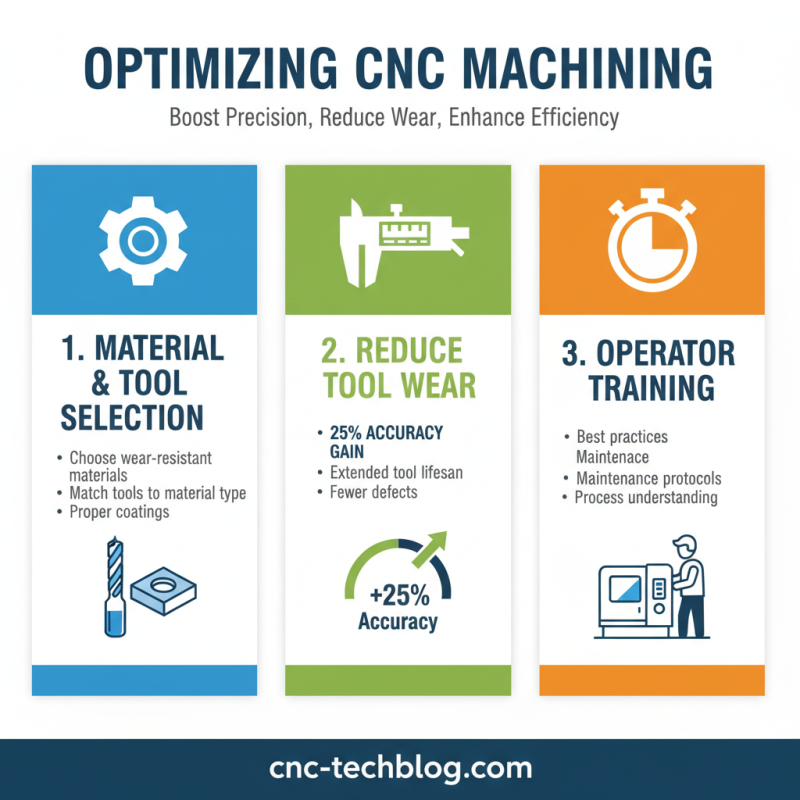
CNC machining relies on precision. Techniques for optimizing these processes are crucial. For example, a study revealed that reducing tool wear can enhance accuracy by 25%. This means choosing the right materials and tools is essential. Operators often overlook this aspect, leading to inefficiencies.
Adjusting feed rates is another important technique. A report from the International Journal of Advanced Manufacturing Technology highlighted that optimizing feed rates can improve production speed by 30%. However, not all operators calibrate machines correctly. Sometimes, they assume settings are fine without checking, which can lead to defects.
Additionally, maintaining a clean workspace can drastically reduce errors. Dust and debris interfere with measurements. Regular cleaning schedules can prevent buildup and improve accuracy. Surprisingly, many facilities neglect this, resulting in wastage. Small lapses can add up. Inspecting the environment is just as vital as checking machinery.
Quality Control Measures to Ensure CNC Precision
To ensure CNC precision, quality control measures are essential. One critical method is regular calibration of CNC machines. If machines drift out of alignment, the end products may not meet specifications. Regular checks can prevent issues from compounding, saving time and resources. Operators should also inspect tools frequently. Worn or damaged tools can introduce errors, however minor.
Another important aspect is monitoring environmental factors. Temperature and humidity can affect machine performance. A stable environment leads to consistent results. However, this is often overlooked. Mistakes happen when operators assume conditions are ideal. Training employees to recognize signs of environmental impact can foster better outcomes.
Documentation of processes also plays a vital role. Keeping a detailed record of setups, adjustments, and corrections helps in identifying recurring problems. It is a tool for learning, yet many neglect it. Reflecting on these records can reveal hidden trends or persistent issues. Engaging in continuous improvement is crucial for achieving precision in CNC manufacturing.
Best Practices for Maintenance and Calibration of CNC Equipment
Maintaining and calibrating CNC equipment is essential for achieving precision. Regular upkeep can enhance machine longevity and ensure top-notch performance. Reports indicate that 20% of machining errors stem from insufficient maintenance. Ignoring routine checks may lead to inaccuracies and increased production costs.
Consider these tips for effective maintenance:
- Schedule inspections every month.
- Clean tools and machine parts regularly.
- Replace worn-out components immediately.
Calibration plays a critical role in precision as well. Incorrectly calibrated machines can produce parts that are out of specifications. Studies show that recalibrating CNC machines every six months can reduce errors by up to 30%.
Tips for calibration include:
- Use certified gauges for measuring.
- Document calibration results for future reference.
- Train staff on calibration techniques.
Reflect on your current practices. Are you neglecting certain machines? Evaluate the impact this may have on your production quality and costs. Investing in maintenance and calibration can vastly improve efficiency and accuracy in your manufacturing processes.