What is an Axis CNC Machine and How Does it Work?
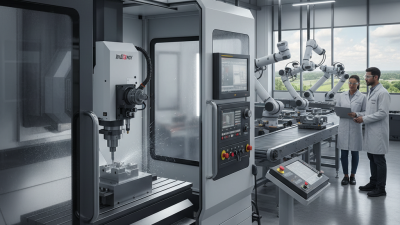
An axis CNC machine is a sophisticated tool used in modern manufacturing. It operates with precision and efficiency. Understanding its mechanics is essential for users and manufacturers alike.
These machines utilize multiple axes to control movements. The most common are the X, Y, and Z axes. Each axis allows various machining operations, such as milling, drilling, and turning. A well-designed axis CNC machine can enhance productivity significantly. However, mastering its use can be challenging.
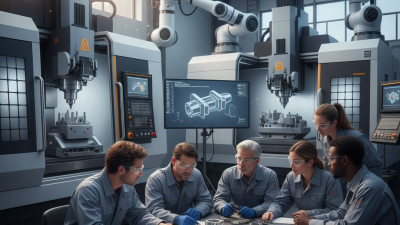
Operators must continually learn and adapt to new technologies. Mistakes can occur during setup or programming. A simple error can lead to costly delays. Therefore, it’s vital to invest time in training. Experience with an axis CNC machine brings valuable insights and knowledge, even amidst frustrations. As technologies evolve, ongoing education will remain essential for success.
What is an Axis CNC Machine?
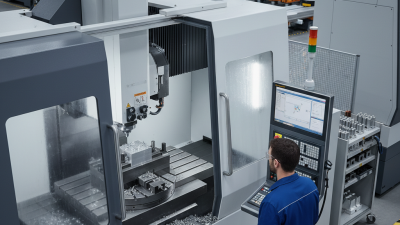
An axis CNC machine is a vital tool in modern manufacturing. It utilizes computer numerical control to automate cutting, milling, and shaping materials. These machines can move in multiple directions, which enhances precision and efficiency. Typically, they operate along three axes: X, Y, and Z. The X axis moves left and right, the Y axis moves forward and backward, and the Z axis controls vertical movement.
In practical terms, an axis CNC machine can create intricate designs by following precise instructions from a computer. Operators input the desired specifications, and the machine takes over. The result is consistent and repeatable production, which is crucial for many industries. However, not every setup is perfect. Mistakes can happen, leading to material waste. Operators must always check their work and adjust accordingly.
Additionally, programming these machines can be complex. Users often face a steep learning curve. If the code is not correctly written, the output can be flawed. This highlights the importance of training and understanding in CNC operations. Each project offers a chance to learn and improve skills. The journey to mastering an axis CNC machine is ongoing.
Axis CNC Machine Usage by Industry
Types of CNC Axes in Machinery
CNC machines operate on different axes to achieve precision. Common types include the X, Y, and Z axes. The X-axis moves left to right, while the Y-axis moves forward and backward. The Z-axis is all about vertical movement. Each axis plays a crucial role in creating complex shapes.
Tips: Understanding the movement of each axis helps in programming. This knowledge reduces errors during machining. Visualization aids in planning your cuts.
Beyond the standard three axes, machines may have additional ones: A, B, and C. These rotational axes expand capabilities. They allow for angled cuts and contours. This flexibility can elevate your designs, making them more intricate.
Mistakes happen. Sometimes a setup may not align perfectly. You might need to adjust your programs or recalibrate your machine. Each error teaches valuable lessons, guiding you to better outcomes in the future. Experimenting with different setups can lead to unexpected yet successful designs.
What is an Axis CNC Machine and How Does it Work? - Types of CNC Axes in Machinery
| Axis Type |
Description |
Examples of Usage |
| X-Axis |
Horizontal movement, typically left to right. |
CNC milling machines, laser cutters. |
| Y-Axis |
Vertical movement, typically forward and back. |
3D printers, CNC routers. |
| Z-Axis |
Depth movement, up and down. |
CNC lathes, vertical machining centers. |
| A-Axis |
Rotational movement around the X-axis. |
5-axis CNC milling. |
| B-Axis |
Rotational movement around the Y-axis. |
Machining complex geometries. |
| C-Axis |
Rotational movement around the Z-axis. |
Turning operations on lathes. |
How Axis CNC Machines Operate
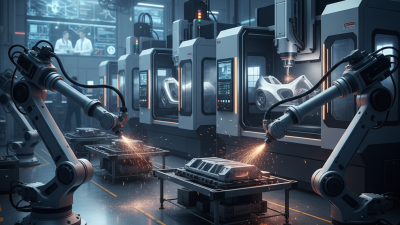
Axis CNC machines play a crucial role in modern manufacturing. They are designed to automate tasks that were once manual, increasing precision and reducing human error. The basic operation relies on computer numerical control. This technology converts designs into commands that guide machinery.
CNC machines typically operate on multiple axes. Most common are the three-axis machines, which move in X, Y, and Z directions. Some advanced models work on five or even more axes, allowing complex shapes to be created. This multidimensional operation offers greater flexibility. However, there can be challenges. Programming these machines can be complex. A small error may lead to significant issues in production.
Operators must also constantly monitor the process. Regular adjustments might be needed to maintain accuracy. Over time, even experienced users can face unexpected challenges. Understanding the machine's mechanics is essential. It’s vital to pay attention to detail to prevent costly mistakes. As technology evolves, ongoing training is essential for efficient operation.
Key Components of Axis CNC Machines
CNC machines operate using precise movements along multiple axes. The core components of an Axis CNC machine play a crucial role in this process. The most significant parts include the control unit, the drive system, and the cutting tools. Each element must work in harmony for effective operation.
The control unit is like the brain of the machine. It interprets the computer-generated codes and translates them into movement. Users must program it carefully to ensure accuracy. The drive system consists of motors and gear systems that provide the necessary power for movement. Without a reliable drive system, the CNC machine’s performance can be erratic.
Cutting tools are the last vital component. They refer to the bits and blades that perform the actual work. Choosing the right tool is essential for achieving precise cuts. Many users struggle with this. They may overlook tool wear and its impact on accuracy. Even the best machines cannot compensate for worn tools. This reflection highlights the need for regular maintenance and careful preparation in CNC machining.
Applications of Axis CNC Machines in Industry
Axis CNC machines play a crucial role in various industries today. Their precision and efficiency make them indispensable in manufacturing processes. A recent report from Grand View Research highlights that the CNC machine market is expected to reach $117 billion by 2030, with a compound annual growth rate of 5.6%. This growth showcases the high demand for automated and precise fabrication.
In the automotive sector, Axis CNC machines help produce components with tight tolerances. They aid in creating parts like engine mounts and transmission housings. According to Statista, 29% of manufacturers favor CNC machining for its reliability. However, the reliance on technology does raise concerns about job displacement and skill gaps in the workforce. Many technicians still struggle with advanced programming, showcasing a need for better training and education.
Applications extend into aerospace and medical fields as well. In aerospace, lightweight components are essential for efficiency. The precision of Axis CNC machines ensures that these parts meet stringent regulatory standards. Still, as industries evolve, the challenge remains to adapt machine designs and operator skills to new technologies. Balancing automation with human expertise is vital for a sustainable future.