Top Benefits of CNC Aluminum Machining for Your Manufacturing Needs?
CNC aluminum machining has transformed the manufacturing landscape. This technology allows for high precision and efficiency. According to a report by Grand View Research, the global CNC machining market is projected to reach $100 billion by 2025. This growth reflects increased demand for high-quality components across various industries.
Industry expert Dr. Emily Chen emphasizes, "CNC aluminum machining offers unmatched accuracy, but it requires skilled operators." Skilled labor is essential for maximizing the benefits of this technology. However, there is a gap in available trained professionals. This skill shortage can hinder production capabilities and quality assurance.
Engaging with CNC aluminum machining allows manufacturers to produce lightweight yet durable parts. It's a game changer for aerospace, automotive, and electronics industries. Still, companies must tread carefully. They need a balance between automation and human oversight to optimize production while minimizing errors.
Understanding CNC Aluminum Machining: A Brief Overview
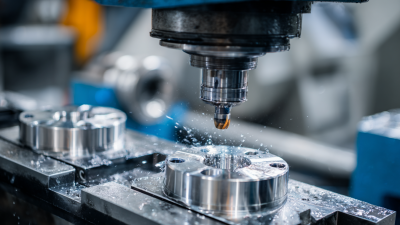
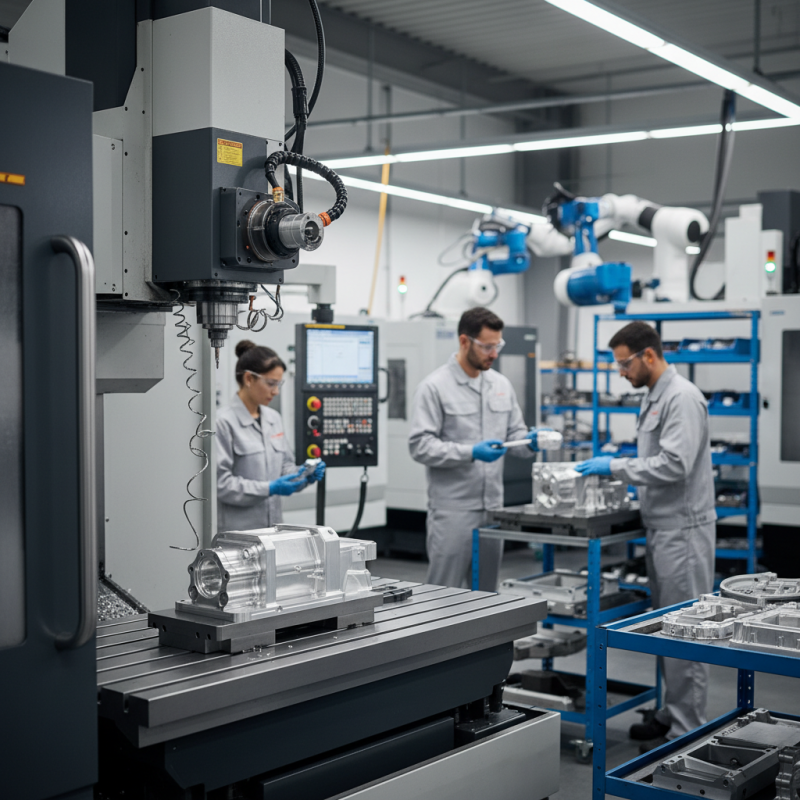
CNC aluminum machining is a key process in modern manufacturing. This technique uses computer numerical control to create precise parts from aluminum. The ability to achieve tight tolerances and complex geometries makes it a preferred choice in various industries. According to a report from MarketsandMarkets, the CNC machining market is projected to reach $100 billion by 2025. This growth reflects the increasing demand for precision-engineered components.
Many manufacturers favor CNC aluminum machining due to its speed and efficiency. Machining centers can operate 24/7, reducing production time significantly. Additionally, aluminum is lightweight, resistant to corrosion, and has excellent thermal conductivity. These properties enhance the performance of finished products. However, achieving the perfect balance between speed and precision can be challenging. Overlooking the importance of tool selection, for instance, may lead to poor-quality outputs.
Tip: Always consider the tool materials. The right choice can prevent tool wear and ensure high-quality finishes. Regularly maintaining machines is essential too. Neglecting this aspect can halt production unexpectedly. It’s crucial to assess both the technologies and the input materials being used. The perfect setup today may not yield the same results tomorrow, as the industry evolves rapidly.
Advantages of Precision and Accuracy in CNC Aluminum Machining
CNC aluminum machining offers remarkable precision and accuracy, making it ideal for various manufacturing needs. The ability to create detailed geometric shapes ensures high-quality results. This is vital for industries like aerospace and automotive, where even the smallest error can lead to significant issues.
One of the main advantages of CNC aluminum machining is its capability to maintain tight tolerances. This means that parts can fit together perfectly, reducing the need for manual adjustments. Achieving such precision can be challenging. Factors like tool wear can impact the final product. Regular maintenance and calibration are necessary to avoid potential pitfalls.
When considering CNC machining, choose the right machining parameters. Incorrect speeds might lead to poor surface finishes. Properly training operators can enhance accuracy. Monitoring environmental factors, like temperature, can also impact machining quality. Always strive to improve processes for optimal results.
Top Benefits of CNC Aluminum Machining for Your Manufacturing Needs
Cost-Efficiency: How CNC Machining Reduces Manufacturing Expenses
CNC aluminum machining offers significant cost-efficiency for manufacturing. This technology automates processes that traditionally required manual labor. By minimizing human error, CNC machining ensures consistent quality and reduces wasted materials. As a result, manufacturers can save money on both labor costs and raw materials.
Moreover, the precision of CNC machining means less time is spent on rework. Parts are produced to exact specifications, lowering the chances of mistakes. However, some companies may still face challenges. The initial investment in CNC machinery can be substantial. This might deter smaller businesses from adopting the technology.
Despite the costs, the long-term savings can outweigh the initial expenditure. Streamlined production leads to quicker turnaround times. Less time equals more output, which can boost profitability. It’s worth considering whether your manufacturing setup is optimized for such efficiency. Embracing CNC technology might seem daunting, but the potential rewards are substantial.
Versatility of CNC Aluminum Machining in Various Industries
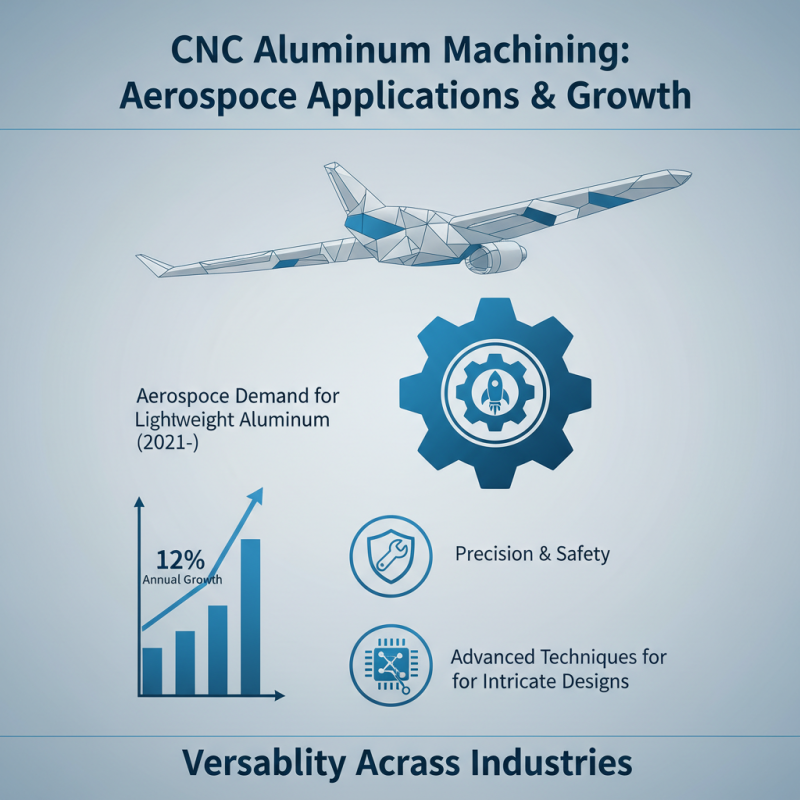
CNC aluminum machining offers impressive versatility across various industries. In aerospace, precise components are crucial for safety and performance. According to a 2021 report, the aerospace industry's demand for lightweight materials, like aluminum, is projected to grow by 12% annually. This trend highlights the need for advanced machining techniques to produce intricate designs.
In the automotive sector, CNC machining enhances efficiency. The shift to electric vehicles requires lightweight parts to improve energy efficiency. A recent study indicates that aluminum usage in vehicles could increase by up to 20% by 2025. This growing reliance on aluminum demands flexible machining solutions that adapt to rapid design changes, and CNC technology excels in this area.
Yet, challenges persist. Machining aluminum can lead to waste if not managed correctly. Reports show that improper techniques may cause up to 15% material loss. Companies must continuously refine their processes to minimize this waste and enhance sustainability. The versatility of CNC aluminum machining presents possibilities, but also demands critical evaluation and improvement.
Enhanced Production Speed and Efficiency with CNC Technology
CNC aluminum machining has transformed the manufacturing landscape significantly. Enhanced production speed and efficiency are major benefits of this technology. Recent industry reports indicate that CNC machining can reduce production time by up to 75%. This improvement is vital as industries face increasing demand without the luxury of extended lead times.
The precision of CNC technology also contributes to efficiency. Parts manufactured using CNC can achieve tolerances of ±0.005 inches. This level of accuracy minimizes waste and reduces the need for rework. Efficient production leads to cost savings, which is critical for profitability in today’s competitive market.
**Tip:** Consider investing in employee training for CNC operations. Skilled workers can optimize machine settings, further improving efficiency.
However, some challenges still exist. High initial costs for CNC machinery can be a hurdle for small manufacturers. Maintenance and skill gaps can also affect productivity. Regular assessments of technology and employee capabilities can highlight areas for improvement.
**Tip:** Conduct routine reviews of your machining processes. Identify bottlenecks and training needs to enhance operational flow.
Top Benefits of CNC Aluminum Machining for Your Manufacturing Needs
| Benefit |
Description |
Impact on Production |
| Enhanced Precision |
CNC machining offers high precision and repeatability for complex designs. |
Reduces the need for rework and increases product quality. |
| Increased Production Speed |
Automatic operations allow for faster cycle times compared to manual machining. |
Significantly reduces lead time for manufacturing. |
| Material Efficiency |
CNC machining optimizes material use, leading to minimal waste. |
Cost savings and better sustainability practices. |
| Versatility in Design |
Able to create complex shapes and designs which are difficult to achieve with traditional methods. |
Enables innovation and customization in product development. |
| Reduced Labor Costs |
Less manual intervention needed means lower labor expenses. |
Increases profitability through cost-effective manufacturing. |