2026 Best Copper Machining Techniques for Precision Engineering?
Copper machining plays a crucial role in precision engineering. The unique properties of copper make it a preferred choice for many applications. However, machining copper can be challenging. It requires specialized techniques to achieve the desired accuracy.
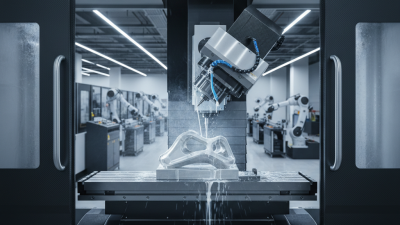
Different methods exist for copper machining, including milling, turning, and grinding. Each technique has its strengths and weaknesses. For instance, while milling provides precision, it can generate heat quickly. Heat can distort the workpiece. Cooling systems are essential.
The choice of tools is also vital. Carbide tools are commonly used, but they can wear out faster with copper. Regular tool maintenance is important. Understanding the specific requirements of each project is necessary. It’s easy to overlook these details, yet they significantly affect the machining process. As we explore the best techniques for copper machining in 2026, we must reflect on these complexities.

Overview of Copper Machining Techniques in Precision Engineering
Copper machining techniques play a crucial role in precision engineering. The ability to shape and cut copper accurately impacts various industries, from electronics to aerospace. Many engineers prefer techniques like CNC machining and laser cutting. These methods ensure high precision and repeatability.
However, challenges exist. Copper is a soft metal and can deform under pressure. This requires careful handling during the machining process. Tool wear is another concern. Machinists must frequently inspect tools to maintain quality. Sometimes, the choice of coolant affects the outcome. Using the right coolant can significantly enhance machining efficiency.
Surface finishes are vital when working with copper. A smooth finish enhances conductivity and aesthetic appeal. However, achieving this can be tricky. Inconsistent techniques often lead to rough edges or unwanted burrs. Continuous refinement is necessary to master these techniques. Each project offers learning opportunities, which might highlight new approaches or areas for improvement.
Key Properties of Copper Relevant to Machining Processes
Copper is a unique material with excellent properties that significantly impact machining processes. Its high thermal and electrical conductivity make it ideal for many precision engineering applications. However, these same properties can complicate machining. For instance, copper heats up quickly during cutting, which can affect tool wear and surface finish.
The ductility of copper also plays a crucial role. While it allows for complex shapes and designs, it can lead to challenges in maintaining tight tolerances. Chips produced during machining can stick to tools, requiring frequent cleaning and tool changes. This not only impacts productivity but also raises costs.
Moreover, copper's tendency to work-harden needs attention. Using the right cutting techniques and speeds is essential. Not all machining methods are equally effective. Some may create more problems than they solve. Exploring various techniques remains an important aspect of optimizing copper machining. Practitioners should constantly assess and refine their processes to achieve the best results.
Common Copper Machining Methods and Their Applications
Copper machining techniques are essential in precision engineering. Several common methods are utilized across various applications. These include turning, milling, and electrical discharge machining (EDM).
Turning is frequently used for producing cylindrical parts. It allows for tight tolerances and smooth finishes. Using a lathe, copper is shaped effectively. However, care is needed. Overheating can lead to warping, affecting performance.
Milling, on the other hand, is ideal for flat surfaces and complex shapes. This method employs rotary cutters to remove material. Copper's softness presents challenges; it often leads to chip buildup, which can hinder efficiency. Regular tool changes may be necessary, increasing costs.
EDM is another viable method for intricate designs. It utilizes electrically charged tools to carve copper. Precision is impressive, but the speed is slower than other methods. This can make production time a concern. Balancing precision and efficiency is crucial for machinists.
2026 Best Copper Machining Techniques for Precision Engineering
| Machining Technique |
Application |
Advantages |
Disadvantages |
| CNC Machining |
Precision Components |
High accuracy and repeatability |
High initial setup costs |
| Turning |
Rotational Parts |
Efficient for cylindrical shapes |
Limited to radial features |
| Milling |
Flat Surfaces |
Versatile for various shapes |
Slower material removal rates |
| Electrical Discharge Machining (EDM) |
Complex Shapes |
Can handle very hard materials |
Slow process and expensive |
| Laser Cutting |
Thin Sheet Cutting |
High precision with minimal material waste |
Limited to thinner materials |
Advanced Techniques for Enhancing Precision in Copper Machining
In the realm of precision engineering, copper machining presents unique challenges. The malleability of copper can lead to issues like tool wear and chip formation. To tackle these problems, advanced techniques come into play. High-speed machining can greatly enhance efficiency. It allows for faster cutting speeds while minimizing thermal deformation. This is crucial for precision.
Additionally, using specialized cutting fluids can improve tool life. These fluids enhance cooling and lubrication, making processes smoother. However, finding the right balance can be tricky. Too much fluid might lead to excessive chip sticking, while too little can increase friction. Engineers often need to experiment to find the optimal conditions.
Another technique involves adaptive machining. This approach uses real-time data to adjust parameters. It helps maintain precision even as tool wear occurs. Yet, this method requires sophisticated equipment. Not every workshop is equipped to handle such technology. Overall, while these advanced techniques boost copper machining, constant evaluation and adjustments are necessary. Perfect execution remains an ongoing journey, not a destination.
Best Practices for Tool Selection and Maintenance in Copper Machining
In copper machining, tool selection is crucial. High-speed steel and carbide tools are popular choices. Machinists often struggle to find the right balance between speed and durability. A study by the Metalworking Association highlights that proper tool choice can enhance efficiency by up to 25%. However, this efficiency comes only with a deep understanding of the materials involved.
Maintenance of tools plays a pivotal role. Regular sharpening of cutting edges can prevent excessive wear. Often, operators overlook this step, leading to diminished accuracy. Research indicates that 40% of machining errors stem from poorly maintained tools. To combat this issue, creating a maintenance schedule is essential. It may seem tedious, but the benefits are clear. Well-maintained tools increase machining precision and longevity.
Cooling is another aspect often underestimated. Many assume standard coolant is sufficient. Yet, research suggests that utilizing specialized coolants can improve surface finish and tool lifespan. Ignoring this detail can result in subpar outcomes. However, costs and availability may discourage some machinists from exploring options. Addressing these factors requires ongoing education and awareness in the industry.
2026 Best Copper Machining Techniques for Precision Engineering
This chart illustrates the efficiency ratings of various copper machining techniques used in precision engineering for 2026. The ratings are on a scale from 1 to 10, with higher numbers indicating greater efficiency. Turning and Milling are shown to have the highest efficiency ratings, making them optimal choices for precision tasks.