
Choosing the best Sheet Metal Top Cover in 2026 means balancing protection, weight, cost, and service life. The right choice depends on where the cover will operate. A clean indoor electrical enclosure has different needs from equipment exposed to rain, vibration, or workshop dust. Even small details matter: a folded edge can stiffen a panel, while a poorly placed seam may collect water.
Material is only part of the decision. Steel can provide strength and a practical finish; aluminum can reduce weight and resist corrosion in suitable conditions. Stainless steel may suit demanding environments, but its added cost is not always justified. Coating, thickness, drainage, fasteners, and access requirements all shape performance. There is no universal winner.
A useful comparison should look closely at how the cover is made and used. Picture a technician removing four fasteners beside a machine, then fitting the panel back without pinching a gasket. Those details are measurable. So are panel deflection, edge quality, and finish durability. A factory specification helps, but real operating conditions can expose assumptions that looked sound on paper.
For credibility, any expert quotation should come from a verifiable interview or publication. No verified expert name or source was provided for this topic, so I will not invent one. That gap matters. This guide can still compare common cover types, explain their trade-offs, and identify questions buyers should ask before ordering. The best choice is the one that fits the actual environment—not simply the lowest quote or the thickest sheet.
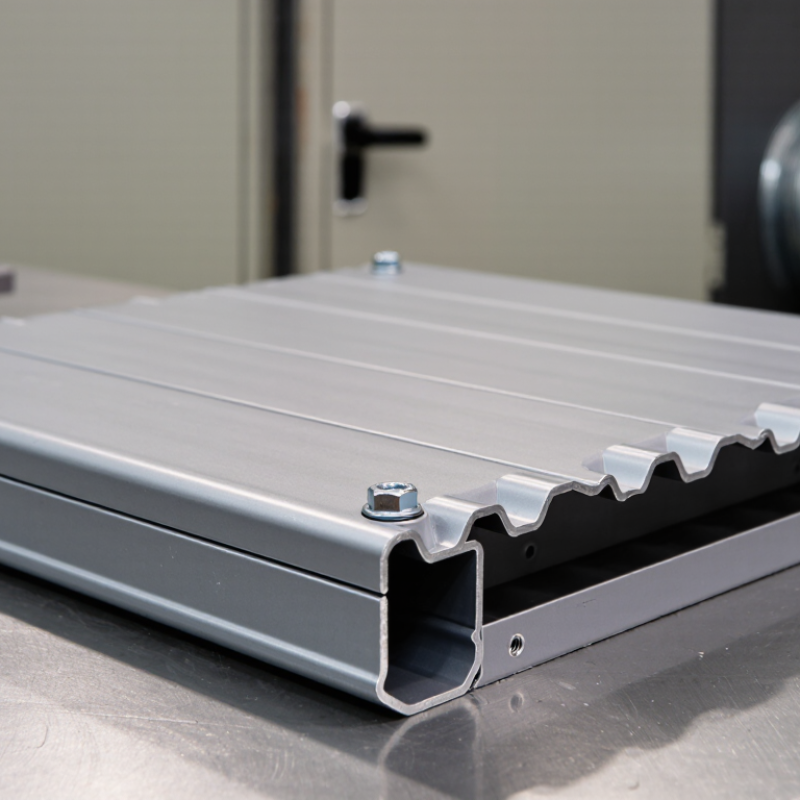
A sheet metal top cover is a formed panel that closes the upper side of an enclosure, machine, or cabinet. It helps shield internal parts from dust, drips, accidental contact, and minor impacts. Depending on the design, the cover may be flat, flanged, ribbed, or shaped with a slight slope. That shape matters. A shallow slope can guide water away, while folded edges add stiffness and reduce exposed sharp edges.
The cover also affects access, ventilation, and heat flow. Screws, clips, or hinges hold it in place, and the fastening method determines how quickly a technician can open it for inspection. Seams and overlaps help limit gaps, but they do not automatically make an enclosure weatherproof. Material thickness, coating, edge fit, and the surrounding enclosure all influence performance. A cover that feels sturdy on its own may still flex if its unsupported span is too wide. There is no single ideal design for every application.
Tips: Check the cover’s dimensions, mounting points, and clearance before fabrication. Keep ventilation openings clear, and inspect edges for burrs. If water exposure matters, verify the full enclosure design rather than relying on the top panel alone.
In 2026, sheet metal top covers are commonly made from galvanized carbon steel, stainless steel, or aluminum. Each material suits different environments. Galvanized steel offers a practical balance of strength and cost for many indoor and sheltered applications. Its zinc coating helps resist corrosion, though exposed cut edges still need attention.
Stainless steel is a strong option where moisture or frequent cleaning is expected. Grade 304 suits many general environments, while grade 316 offers added resistance in salty or chemically demanding conditions. Aluminum, often selected in formable grades such as 5052, is lighter and bends readily. It can be useful when reducing cover weight matters, but it may dent more easily than steel. Details matter.
Coated carbon steel can provide a durable, economical surface, provided scratches and drilled holes are protected. Material choice also affects fasteners: joining aluminum to a different metal in a wet setting can encourage galvanic corrosion. There is no universal winner, and comparing price alone can be misleading. A cover may look well protected when new, yet its edges, seams, and mounting points often determine how it holds up. Not always. Check the operating environment, cleaning routine, expected load, and fabrication method before choosing.
What Is the Best Type of Sheet Metal Top Cover in 2026?
How Design Affects Strength, Weight, and Weather Protection
The best top cover depends on its span, support spacing, and exposure—not just the metal. A shallow folded edge can stiffen a panel without adding much material, while a central bead helps resist dents across wider sections. The Aluminum Association’s Aluminum Design Manual gives aluminum a density of about 2,700 kg/m³; carbon steel is roughly 7,850 kg/m³ in standard engineering references. That difference can ease lifting and reduce load on hinges or frames. But thinner metal may flex, so compare complete panel designs, not material weight alone.
Water finds the gaps. A slight crown or slope helps rain run off, while downturned edges and sealed seams reduce water entry. Small details matter. Drainage openings need careful placement; otherwise, water may pool around fasteners. The 2016 NACE International IMPACT study estimated corrosion costs at US$2.5 trillion annually, or 3.4% of global GDP. That broad figure is not a forecast for one cover, but it shows why coatings, compatible fasteners, and maintainable joints deserve attention.
For coastal air or frequent washdowns, specify a finish suited to the exposure and protect cut edges. Stainless steel can offer strong corrosion resistance, but added weight and cost may not suit every frame. Aluminum is lighter, yet it can dent more easily. A practical design review should check panel deflection, edge rigidity, drainage, and coating damage after installation. Small test panels help; real weather can reveal details drawings miss.
| Cover Design | Typical Construction | Strength and Stiffness | Weight Considerations | Weather Protection | Best-Fit Applications |
|---|---|---|---|---|---|
| Flat single-skin panel | One sheet with flat surfaces; often made from galvanized or coated steel, or aluminum. A practical sheet thickness depends on panel size, supports, and design loads. | Lowest stiffness of the options shown when unsupported. Large flat spans can flex or oil-can; close-spaced supports or formed edges can improve performance. | Usually low material use and a simple profile. Aluminum weighs less than steel for the same volume, but material choice and thickness affect total weight. | Can shed rain on a suitably sloped, well-sealed cover. Flat areas may hold water if drainage is poor; joints and fasteners need appropriate sealing. | Small covers with frequent support, protected equipment, or designs where a simple, low-profile surface is preferred. |
| Shallow pan with turned-down edges | Single sheet formed into a shallow tray, commonly with perimeter flanges or returns. | Formed edges increase edge stiffness compared with a plain flat sheet. The center may still need support if the panel is wide or carries significant load. | Generally light to moderate. Edge forming adds stiffness without requiring a second full sheet. | Raised edges can help control runoff at the perimeter, but they do not replace a drainage plan. Corners and seams need careful detailing to prevent leaks. | Equipment enclosures and cabinets where a neat perimeter, moderate stiffness, and a single-piece cover are useful. |
| Ribbed or corrugated panel | One sheet formed with repeated ribs or waves; commonly supplied in coated steel or aluminum. | Ribs improve stiffness in the direction of the profile compared with a flat sheet of the same material and thickness. Performance depends on rib shape, span, and support spacing. | Often provides useful stiffness with relatively little material. Profile depth and sheet thickness affect both weight and capacity. | Profiles can direct water toward the eaves when installed with the correct slope. Side laps, end laps, and fasteners are common potential leak paths. | Canopies, sheds, and larger covers where a lightweight profiled sheet and straightforward rain shedding are priorities. |
| Panel with underside stiffeners | A sheet-metal skin reinforced with attached channels, ribs, or formed stiffeners underneath. | Stiffeners can reduce deflection and increase load capacity when properly sized and spaced. Their attachment and the panel-to-frame connections are important to performance. | Heavier than an unstiffened single skin, but can avoid using a thicker sheet across the entire panel. | The outer skin can provide a continuous rain barrier if seams and penetrations are sealed. Stiffener attachment details should not create water traps or corrosion-prone crevices. | Wider covers, access panels, or applications requiring a flatter appearance with greater rigidity than a plain sheet. |
| Double-skin insulated panel | Two metal facings separated by an insulating core; joints are designed to connect adjacent panels. | The bonded panel can act as a sandwich structure, with performance depending on facing thickness, core properties, panel span, and joint design. | Uses more material than a single skin, but provides insulation in the same assembly. It is not automatically lighter than a single-skin cover. | Can provide good protection when the panel joints, perimeter, penetrations, and flashings are correctly detailed. The core itself does not make poorly sealed joints weather-tight. | Enclosures or buildings where thermal insulation and a finished interior surface are required along with a weather-resistant roof panel. |
Selection note: No single design is best for every installation. Actual strength and weather performance depend on material grade and thickness, panel dimensions, support spacing, slope, local wind and snow loads, connections, coatings, and joint detailing. Confirm the final design against applicable codes and manufacturer data.
A sheet metal top cover should match its working environment, not just the equipment’s outline. Flat covers suit sheltered cabinets and simple housings because they are economical and easy to fabricate. However, a broad, unsupported panel may flex or collect water. A raised or folded-edge cover adds stiffness and helps shed rain, making it more suitable for outdoor enclosures. Small details matter: a slight slope and hemmed edges can reduce pooling and sharp exposed edges.
For machinery that needs airflow, perforated or louvered covers allow heat to escape, but openings can admit dust and moisture. They work best where ventilation matters more than a sealed surface. In wet or corrosive settings, material choice also changes the result: stainless steel resists corrosion, while coated or galvanized steel can offer practical value in less demanding conditions. Aluminum is lighter, though its strength and finish need careful consideration. There is no universal winner. Actual exposure, panel size, fastening points, and maintenance access should guide the choice; I would not assume a standard cover fits every site.
Tips: Check how the cover drains, how often technicians need access, and whether nearby equipment produces heat. Test a sample under realistic conditions when possible. A detail that looks minor on a drawing can become a nuisance after installation.
Choose a top cover by its working conditions, not by appearance alone. For outdoor equipment near salt spray, stainless steel resists corrosion, but its higher cost and weight may not suit every enclosure. Aluminum is lighter and easier to handle. The International Aluminium Institute reports that recycling aluminum can use about 95% less energy than producing primary aluminum. That figure supports recycled content as one consideration, not a substitute for checking alloy, coating, and supplier documentation.
For indoor electrical cabinets, galvanized steel can provide a practical balance of stiffness, cost, and corrosion protection. Check panel span, fastener spacing, and expected loads; a thin cover may flex when someone presses near an unsupported edge. In hot or humid settings, review coating compatibility and drainage details. Small seams can trap water. Measure the actual temperature range, too, since equipment heat may affect seals and finishes over time.
Specify thickness, bend radius, finish, and openings before fabrication. For example, a cover with a cable slot needs enough edge distance to avoid weakening the panel. ASTM material specifications can help define sheet grade, while a prototype confirms fit and access. This step is easy to skip—and sometimes a drawing still misses a stubborn interference at the hinge. Allowing for assembly clearance early can prevent rework.