What Are the Best Types of Steel Flanges for Global Buyers?
Steel Flanges play a crucial role in various industries, acting as essential components in piping systems. According to a report by Global Steel Flange Market Insights, the global steel flange market is projected to grow at a CAGR of 5.2% from 2021 to 2028. This growth reflects the increasing demand for durable and reliable piping solutions in sectors such as oil and gas, chemicals, and water management.
The choice of the right steel flange can significantly impact the efficiency and safety of operations. Various types of steel flanges, including weld neck, blind, and slip-on flanges, offer distinct benefits. For instance, weld neck flanges are known for their strong, leak-proof connections, while blind flanges are ideal for sealing off piping systems. Yet, selecting the best type involves consideration of factors like pressure ratings, material compatibility, and the operating environment.
Despite their importance, buyers often overlook the quality standards that govern steel flanges. Reports indicate that subpar materials can lead to failures and safety hazards. Thus, understanding the range of options available and their specific applications is vital for global buyers. Careful evaluation of supplier certifications and adherence to industry standards can enhance reliability and performance in projects involving steel flanges.
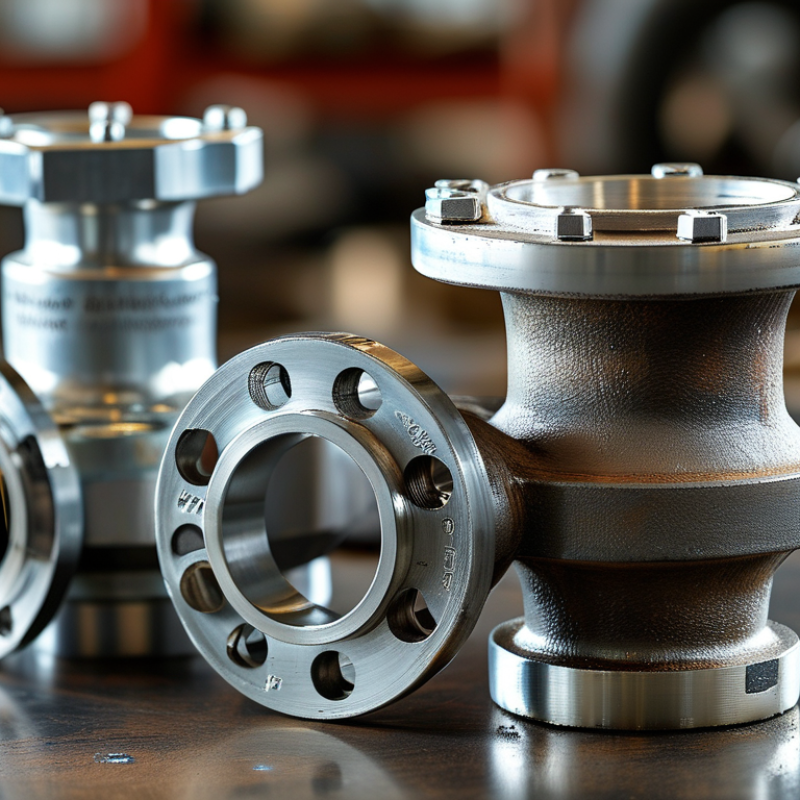
Types of Steel Flanges: A Comprehensive Overview for Buyers
When considering types of steel flanges, buyers should focus on several key factors. Flanges can be broadly classified based on their design and application. Common types include weld neck, slip-on, and blind flanges. According to industry reports, weld neck flanges are preferred for high-pressure applications due to their strong support and reliable connection. Slip-on flanges, however, are often used in lower-pressure systems for ease of installation.
Material composition also plays a crucial role. Carbon steel flanges, for example, are known for their durability and resistance to corrosion. Stainless steel flanges offer better resistance in high-temperature environments. A recent study indicated that stainless steel flanges are experiencing a growth rate of 4.5% annually, driven by increased demand in industries like oil and gas.
Unfortunately, not all flanges meet stringent quality standards. Defective products can lead to significant safety risks. Buyers should ensure they source flanges from certified suppliers. Specifications should align with recognized standards such as ASME or ASTM. Understanding these aspects helps buyers make informed decisions while minimizing the chance for error and enhancing project safety.
What Are the Best Types of Steel Flanges for Global Buyers? - Types of Steel Flanges: A Comprehensive Overview for Buyers
| Type of Flange | Material | Pressure Rating | Standard | Applications |
| Weld Neck Flange | Carbon Steel | Class 150 to 2500 | ANSI/ASME B16.5 | Pipelines, Pressure Vessels |
| Blind Flange | Stainless Steel | Class 150 to 1500 | ANSI/ASME B16.5 | Closure of Pipes, Maintenance |
| Socket Weld Flange | Alloy Steel | Class 150 to 3000 | ANSI/ASME B16.11 | High Pressure Applications |
| Lap Joint Flange | Carbon Steel | Class 150 to 300 | ANSI/ASME B16.5 | Low Pressure Systems |
| Threaded Flange | Stainless Steel | Class 150 to 600 | ANSI/ASME B16.5 | Gas and Oil Pipelines |
Material Composition of Steel Flanges: Carbon, Stainless, and Alloy Types
When selecting steel flanges, understanding their material composition is crucial. Steel flanges typically fall into three categories: carbon, stainless, and alloy types. Carbon steel flanges are widely used due to their strength and affordability. They can withstand high temperatures but may be susceptible to corrosion in certain environments. Proper maintenance is essential to prolong their lifespan.
Stainless steel flanges offer better corrosion resistance. They contain chromium, which forms a protective layer against rust. This makes them ideal for industries like food and pharmaceuticals. However, they can be more expensive. Alloy steel flanges blend iron with other metals, enhancing strength and durability. These flanges are often used in high-pressure applications. Still, the mix of materials can lead to variability in performance.
Choosing the right flange type depends on specific project needs. Consider the operational environment and pressure requirements. There's no one-size-fits-all solution. It’s important to reflect on the long-term implications. Make informed choices to avoid costly mistakes down the line. Each flange type has its strengths and weaknesses. Understanding them helps in making better decisions.
Industry Applications: Where Various Steel Flanges Are Commonly Used
Steel flanges are vital components in various industries. They serve as connections between pipes, valves, and other equipment. Each application requires specific types of flanges for optimal performance. For instance, in the oil and gas sector, blind and weld neck flanges are frequently used. They ensure secure seals in high-pressure environments.
In water treatment facilities, slip-on flanges are common. Their design allows for easy installation, making maintenance easier. Chemical processing often utilizes flange types that resist corrosion, like hydrofluoric acid. These flanges are a must for ensuring the integrity of the system.
Despite their reliability, flanges can be a source of leaks over time. Proper installation and regular inspections are essential. Choosing the right materials based on the fluid type and pressure is crucial. Companies often face challenges in selecting appropriate flanges. Overlooking these factors can lead to costly repairs and safety issues.
Best Types of Steel Flanges for Global Buyers
Quality Standards: Understanding ASTM, ASME, and ISO Specifications
When exploring the best types of steel flanges, it's crucial to consider quality standards like ASTM, ASME, and ISO. These specifications guide manufacturing processes and ensure consistency. Understanding these standards is essential for global buyers. ASTM focuses on material properties, while ASME emphasizes design and application. ISO provides international benchmarks that enhance reliability.
Choosing the right flange requires knowledge of these standards. Not all manufacturers follow them closely. Some may claim compliance without proper verification. This can lead to serious issues in installation and performance. Buyers must inquire about certification and testing procedures. Additional details, like traceability and batch numbers, can further ensure quality.
Flanges must fit specific applications and environments. However, some buyers overlook this. Sourcing from well-regarded suppliers can mitigate risks. It’s advisable to conduct audits and site visits when possible. Awareness of these quality standards can prevent complications. Remember, taking shortcuts can be costly in the long run. Consider the implications of subpar materials and designs. Quality should not be compromised.
Market Trends: Global Demand Patterns and Price Influences on Steel Flanges
The global demand for steel flanges is influenced by various market trends. Industries such as oil and gas, construction, and manufacturing drive this need. Economies around the world have shown a rising tendency for infrastructure projects, thus spiking the demand for robust steel products. Buyers seek reliable and high-quality flanges to ensure safety and durability in their applications.
Pricing dynamics also play a crucial role. Steel prices fluctuate due to raw material costs, production methods, and trade policies. Recent years have seen volatility in steel prices, impacting procurement strategies. Buyers are often left uncertain about the timing of purchases. This unpredictability can lead to overstocking or shortages, requiring a careful assessment of trends. Additionally, suppliers are adjusting to these changes, sometimes neglecting the importance of quality assurance amidst price competition.
Sustainability concerns are emerging in the global steel market. Many buyers now prioritize environmentally friendly practices. This shift may affect sourcing decisions and production methods. It reflects a growing awareness of the impact of manufacturing on the environment. Despite these advancements, some companies still struggle to align their operations with sustainable practices. An ongoing challenge remains in balancing cost, quality, and environmental responsibility.