
post thumbnail
Our pricing model is flexibly designed to give you the most possible advantages of a continuing partnership.

China Best Warehouse Forklift Tires Supplier for Sale

Warehouse Forklift Tires may look like a small purchasing detail, until a loaded truck slips on a dusty floor or wears a tire flat in one shift. In busy distribution centers, tires affect traction, stability, handling, and maintenance planning. The right choice depends on more than price. Load capacity, wheel and tire dimensions, floor condition, operating hours, and solid or pneumatic construction all matter. Details count.

MHI and Deloitte’s 2024 Annual Industry Report found that 55% of surveyed supply-chain professionals identified supply-chain disruptions as a major challenge. That finding is not tire-specific, but it highlights why dependable sourcing and clear product specifications matter. For buyers comparing a China Warehouse Forklift Tires supplier for sale, useful checks include material descriptions, load ratings, dimensional drawings, sample availability, and documented quality-control procedures. Ask how the tire performs on the actual surface: smooth concrete, rough yard pavement, or a floor scattered with packaging debris. A supplier’s claim of “long life” is not enough without conditions and evidence. It can be hard to compare claims fairly.

This guide considers practical selection points and supplier questions, rather than treating one tire as suitable for every warehouse. Experience varies by truck, load, floor, and operator. Buyers should confirm compatibility with the forklift manufacturer’s specifications and review test details before ordering. A careful comparison may take longer. It can prevent costly mismatches.
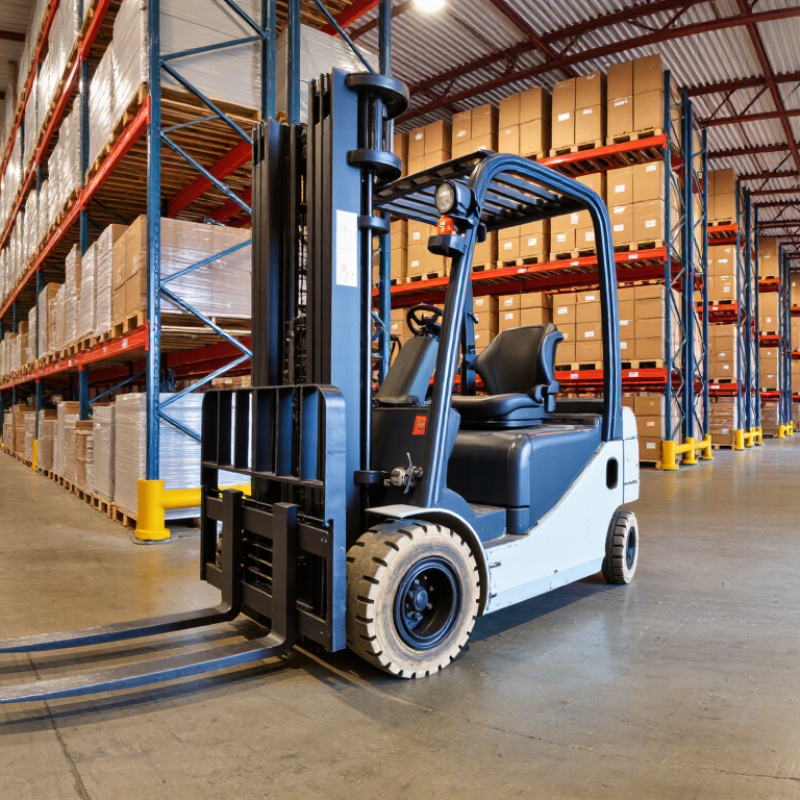
China Best Warehouse Forklift Tires Supplier for Sale

Types of Warehouse Forklift Tires Available in China

China Best Warehouse Forklift Tires Supplier for Sale
Types of Warehouse Forklift Tires Available in China

Warehouse forklift tires in China generally fall into three groups: solid rubber, pneumatic, and polyurethane. Solid tires resist punctures and suit smooth indoor concrete, where nails or metal scraps may appear near loading bays. Pneumatic tires cushion bumps better on uneven yards, but need pressure checks and more clearance. Polyurethane tires are common on electric pallet trucks and reach trucks; their low rolling resistance can support efficient indoor travel. Match the tire to the truck, floor, load, and daily shift length—not just its price.

The U.S. Occupational Safety and Health Administration estimates that powered industrial trucks cause about 85 fatal accidents and 34,900 serious injuries annually. These figures are not tire-related, but they underline why traction and routine checks matter. ISO 5053-1:2020 provides standardized terminology for industrial trucks, useful when comparing equipment specifications. In practice, inspect for chips, flat spots, exposed cord, and uneven wear. A solid tire can still be a poor choice on rough joints; I have seen buyers overlook floor seams and then blame the compound.

Tips: Check wheel dimensions and load ratings before ordering. For polished floors, ask for a trial and measure stopping distance with a representative load. Heat matters. Also confirm whether the tire compound may leave marks on light-colored floors.

Types of Warehouse Forklift Tires Available in China

Polyurethane and cushion solid tires are commonly suited to smooth indoor floors, while pneumatic and solid pneumatic tires are better choices for uneven surfaces or mixed indoor–outdoor work. Ratings are qualitative guidance, not measured performance data; actual suitability depends on the tire specification, forklift, load, and operating conditions.

How Forklift Tire Design Affects Warehouse Performance

China Best Warehouse Forklift Tires Supplier for Sale

How Forklift Tire Design Affects Warehouse Performance

Warehouse performance begins where the load meets the floor. Tire design affects traction, turning effort, vibration, and wear. Cushion tires suit smooth indoor floors and tight aisles, while pneumatic-style tires offer more compliance on uneven surfaces. The right choice depends on floor joints, debris, load weight, and daily travel distance. A hard compound may resist wear, yet transmit more shock to the truck and operator. Softer tread may grip well but wear faster. Trade-offs matter.

Tips: Inspect tires at shift changes. Look for chunking, flat spots, embedded debris, and uneven wear. Compare wear across wheels, not just on one tire. A polished turning area may signal frequent scrubbing, so review turning habits and aisle clearance before blaming the tire alone.

Selection should start with real operating conditions, not a catalog label. Record floor type, average load, route length, and turning frequency over several workdays. Then discuss the findings with a qualified tire supplier and verify fitment against the truck specification. It is easy to focus too much on purchase price; downtime and replacement intervals deserve attention too. Results vary by site, and one observation is rarely enough.

Quality Standards for Chinese Forklift Tire Suppliers

China Best Warehouse Forklift Tires Supplier for Sale

Quality Standards for Chinese Forklift Tire Suppliers

A reliable supplier should provide more than a low quotation. Ask for tire dimensions, load ratings, compound specifications, and batch traceability. Request test records for hardness, rolling resistance, heat buildup, and rim fit. These details matter in a warehouse, where tight turns and repeated braking can heat tires quickly. Small details matter. Supplier audits should check whether incoming rubber, molding conditions, and finished tires are recorded consistently. ISO 9001:2015 can support process control, but certification alone does not prove that a tire suits your truck or floor.

OSHA’s commonly cited forklift safety estimates report about 85 fatal incidents and 34,900 serious injuries annually in the United States. These figures concern forklift incidents overall, not tire failures, but they underline why load stability and predictable traction matter. Buyers should compare test methods and confirm that ratings match actual operating conditions, including shift length, floor surface, and ambient temperature.

Heat leaves clues. Ask suppliers how they inspect bond integrity on solid tires and how they handle failed samples. A certificate may look complete while missing the test conditions that give its numbers meaning. Even a careful inspection can miss defects, so retain batch records and review field performance after installation.

How to Evaluate a Forklift Tire Supplier in China

China Best Warehouse Forklift Tires Supplier for Sale

When evaluating a forklift tire supplier in China, start with fit, evidence, and traceability—not the lowest quote. Ask for load ratings, dimensions, compound options, and written compatibility guidance for your truck and floor conditions. A tire suited to smooth concrete may perform poorly on rough yard surfaces. Request batch identification and inspection records, then check whether the supplier can explain its testing method. A polished certificate alone is not enough.

Safety deserves close attention. OSHA’s Powered Industrial Trucks guidance cites estimates of about 85 forklift-related deaths and 34,900 serious injuries each year in the United States. These figures are not tire-specific, but they underline why buyers should verify specifications and ask about wear, heat, and load limits. Request sample tires or a controlled trial, and record tread wear, operating hours, and floor marks. Check lead times, spare availability, and how defects are handled in writing. Small details matter. I would also ask for references from warehouses using similar trucks; one awkward point is that supplier-provided references may not reveal every failure. Compare evidence, not promises.

China Best Warehouse Forklift Tires Supplier for Sale - How to Evaluate a Forklift Tire Supplier in China
Evaluation Criterion Weight Evaluation Benchmark Documents or Checks to Request Score (1–5)
Product fit and tire construction 15% Offers the required tire type—solid, pneumatic, or press-on—and confirms dimensions, rim compatibility, load rating, and operating conditions for the forklift. Technical datasheets, dimension drawings, load-capacity information, and written confirmation against the forklift or tire specifications. _____
Material and performance data 12% Provides clear, comparable information on compounds and relevant performance, such as wear, heat build-up, traction, and resistance to cuts or chipping. Product specifications and test reports identifying the product model, test method, and test conditions; compare like-for-like tire types and sizes. _____
Quality management and inspection 12% Uses documented production controls, incoming-material checks, final inspection, and a process for handling nonconforming products. Current quality-system certificates where applicable, sample inspection records, defect-handling procedures, and permission to arrange an independent inspection. _____
Traceability and product identification 8% Can identify tire specifications and production batches so that delivered goods can be checked against the approved order. Photos or samples of tire markings, packaging labels, batch records, and a sample packing list. _____
Samples and pre-shipment inspection 10% Allows a representative sample or a clearly defined approval process before bulk production, and agrees on inspection criteria before shipment. Written sample terms, approved specifications, inspection checklist, and an agreed process for addressing inspection failures. _____
Production capacity and lead time 10% Provides a production schedule for the requested tire types and quantities, with lead time stated separately from shipping and customs transit time. Written quotation, production plan, capacity confirmation for the ordered specifications, and shipment schedule. _____
Quotation and total landed cost 10% Quotes the same tire specifications and order quantity, with pricing terms, packaging, tooling or setup charges, and excluded costs clearly stated. Itemized quotation with currency, Incoterms® rule and named place, payment terms, quote validity, and any minimum-order requirements. _____
Export and destination-market documents 8% Can provide accurate shipping and product documents and confirm any destination-specific requirements before the order is placed. Sample commercial invoice, packing list, certificate or test documentation if required by the destination, and confirmation of the applicable product rules. _____
Warranty and claims handling 8% Provides written warranty scope, claim requirements, response process, and remedies; terms should be reviewed rather than assumed to be standard across suppliers. Warranty document, claim form or procedure, required evidence, response timeline, and written agreement on responsibility for confirmed defects. _____
Communication and order transparency 7% Answers technical and commercial questions consistently, identifies the contracting and payment parties, and records agreed specifications in the order documents. Written correspondence, business and payment details for verification, order confirmation, and a signed specification sheet. _____
Total 100% Weighted score = sum of (criterion score ÷ 5 × criterion weight). Verify critical specifications and documents before comparing price. _____ / 100

Scoring guide: 1 = not demonstrated; 2 = weak evidence; 3 = acceptable; 4 = strong evidence; 5 = verified and consistently documented. Confirm that the selected tire matches the forklift, application, and destination-market requirements.

Pricing, Ordering, and Delivery Considerations for Buyers

Warehouse forklift tire prices depend on tire type, dimensions, load rating, compound, order volume, and freight. Compare quotes using the same specifications; a cheaper tire may not match your truck or floor conditions. The U.S. Census Bureau reported that e-commerce made up 15.4% of U.S. retail sales in 2023, underscoring the steady demands placed on warehouse operations. That figure does not predict tire demand directly, but it helps explain why buyers should factor downtime into their purchasing decisions. Small details matter. Ask for unit pricing, minimum order quantities, warranty terms, and a written production lead time.

Before ordering, confirm tire markings against the forklift’s manual and share expected loads, shift patterns, and floor surfaces with the supplier. Request confirmation that all tires in a batch use consistent specifications. For delivery, check whether the quote includes transport, unloading, and shipment to your exact site. A pallet at the gate is not the same as a pallet delivered to the workshop. Ask for packaging details and tracking information, especially when replacement tires are needed for scheduled maintenance. Lead times can change; get an updated date before arranging installation.

Tips: Photograph the current tire markings and measure the wheel before requesting a quote. Check every line. Keep the supplier’s written specifications with the purchase order, and inspect the shipment on arrival. I would still allow extra time for delays; delivery estimates are not guarantees.