
post thumbnail
Our pricing model is flexibly designed to give you the most possible advantages of a continuing partnership.

China Top Thermal Break Aluminum System Windows Price?

China’s thermal-break aluminum window prices can differ sharply, even when two product photos look almost identical. The gap often comes from profile depth, thermal-barrier design, glass build-up, hardware, finish, and order quantity. A narrow frame with standard double glazing is not comparable to a reinforced system with laminated glass, upgraded seals, and custom powder coating. Small details matter.

Building scientist Dr. Joseph Lstiburek is known for emphasizing whole-building performance. A practical summary of that principle is: “Judge the window as part of the wall assembly, not by its frame alone.” This is a paraphrase, not a verified verbatim quotation. It matters when comparing Thermal Break Aluminum System Windows, because the frame’s thermal break is only one part of the finished opening. Glass, spacers, seals, installation, and local climate all affect comfort and performance.

This guide examines what shapes the China price, which specifications deserve close attention, and how to compare supplier quotations fairly. Ask whether prices include glass, hardware, packaging, and export delivery. Check the stated dimensions and performance data, too. A low quotation may omit an important component; a higher one may include it. Not every comparison is clean. A careful review of drawings and line-item costs can reveal the difference before production begins.
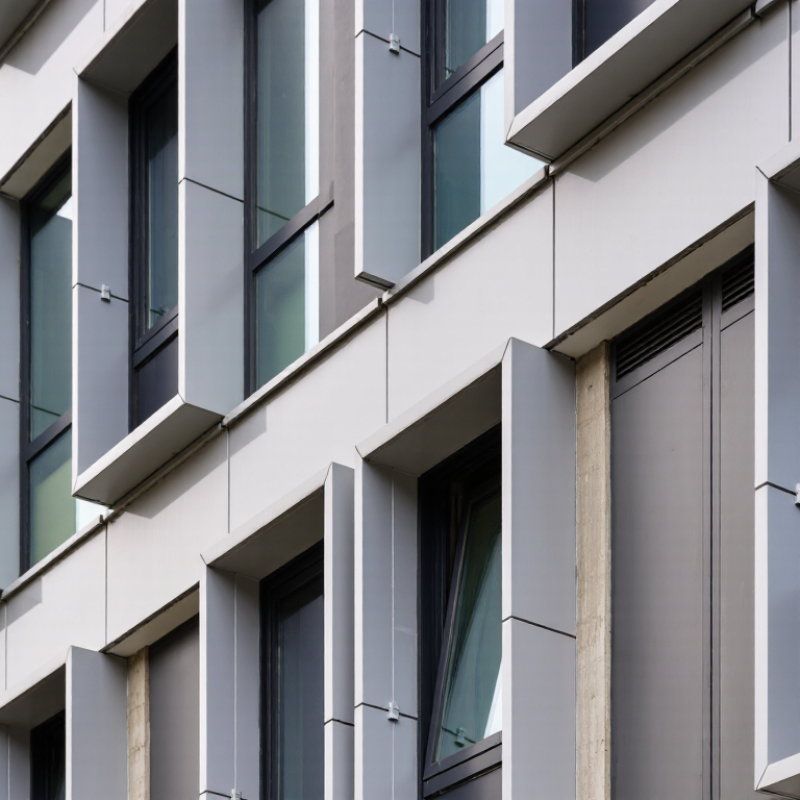
China Top Thermal Break Aluminum System Windows Price?

What Are Thermal Break Aluminum System Windows?

Thermal break aluminum system windows use two aluminum sections separated by an insulating strip, commonly made from polyamide. The strip interrupts the direct path that carries heat through metal. The frame still has aluminum’s strength and slim profile, but its interior surface is less exposed to outdoor temperatures. On a cold morning, that can mean a warmer-feeling frame and less risk of condensation than with a basic, unbroken aluminum frame.

A thermal break is not a complete energy solution. Glass type, frame design, seals, and installation all affect performance. For example, a well-insulated frame can still leak air if the sash does not close evenly. Ask for tested whole-window performance figures, not just a claim about the frame. Check the glass specification and installation details, too. The label can sound more decisive than it is; actual comfort depends on the full window and the building around it.

Tips: Compare whole-window thermal ratings, inspect corner joints and weather seals, and confirm that the installer can seal the frame opening properly. Feel the sample frame if possible. Small details matter.

How Are These Windows Manufactured in China?

Thermal break aluminum windows are made through a sequence of controlled steps, though equipment and inspection practices vary between Chinese factories. Aluminum billets are heated and pressed through shaped dies to form profiles. After cooling, the profiles are cut to length and machined for drainage slots, locks, and hardware.

The thermal barrier is usually a polyamide strip. Knurled aluminum edges grip the strip as rollers join the inner and outer profile sections. This connection needs consistent pressure. Too little can weaken the assembly; poor alignment may affect later fitting. Not every profile uses the same strip shape or reinforcement, so buyers should check drawings and material specifications.

Next, technicians assemble frames, crimp the corners, and fit gaskets and glazing. Glass thickness, coating, and spacer choice can change both performance and cost. Details matter. Quality checks may include measuring dimensions, inspecting corner joints, and testing sample windows for air or water leakage. Ask how often tests are performed and whether reports match the quoted configuration. A polished sample can hide production variation, and I would not treat appearance alone as proof of performance. Clear specifications make price comparisons more useful.

Which Factors Determine Their Price?

Thermal-break aluminum window prices in China depend on more than frame weight. The main cost drivers are profile depth, thermal-break width, alloy thickness, glass build-up, hardware, and fabrication accuracy. A slim frame with double glazing usually costs less than a large opening with laminated, low-emissivity glass. Small details matter. Custom colors, unusual shapes, and tight delivery schedules can also raise the quote.

Performance affects value, not just the purchase price. The U.S. Department of Energy’s Energy Saver guidance estimates that windows account for about 25–30% of residential heating and cooling energy use. Compare whole-window U-factor and solar heat gain coefficient, not glass claims alone. These ratings help show how much heat passes through and how much sunlight enters. Installation quality matters, too; even a well-built unit can underperform if its perimeter is poorly sealed. That adds up.

For comparable quotations, provide the same opening sizes, glass specification, finish, hardware, and delivery terms. Ask whether prices include installation, screens, taxes, and site measurements. I would not treat the lowest quote as proof of poor quality, but unexplained differences deserve scrutiny. A price without a defined specification is only a rough estimate. The awkward part is that buyers sometimes compare unlike products and call the difference a discount.

What Price Ranges Apply to Different Window Specifications?

For China-made thermal break aluminum windows, a useful planning range is about US$120–220 per square meter for standard configurations. This typically assumes conventional profile sizes, double glazing, and basic hardware. Mid-range systems with thicker profiles, wider thermal barriers, Low-E glass, or improved hardware may fall around US$220–400 per square meter. Higher-specification units, including triple glazing, large panels, customized finishes, or upgraded security fittings, can reach US$400–700 or more. These are indicative supply prices, not guaranteed quotations. The glass matters.

Compare quotes using the same window dimensions and opening style. A fixed pane usually costs less than a tilt-and-turn unit, while large sliding doors need stronger frames and can raise costs. Ask whether the quoted price includes insect screens, reinforced corners, packaging, and testing documents. Small details add up. Freight, taxes, installation, and site measurements may be excluded, so confirm each item in writing. A low price can be reasonable, but it deserves a closer specification check. Even careful estimates miss something; unusual sizes and local requirements can change the final figure.

How Can Buyers Compare Quotes and Select a Supplier?

A low price for thermal break aluminum system windows can hide important differences. Compare quotes against the same window schedule, including opening sizes, frame depth, glass thickness, and opening style. Ask whether the price includes insulated glass, screens, hardware, surface finish, packaging, and delivery. Small details matter. A sliding window with basic rollers is not equal to one with upgraded hardware, even if both have similar dimensions. Check the stated thermal performance and ask how it was tested. If the quote gives no clear specification, request one before comparing totals.

Supplier selection also depends on how clearly the company explains its product and process. Request profile drawings, glass build-up details, sample corners, and written warranty terms. Ask who checks dimensions and how damaged units are handled. Compare production lead time and payment milestones, not just the final figure. A factory visit or live video walkthrough can help confirm equipment and quality checks. Still, no document can remove every risk. A detailed quote may overlook site conditions, so confirm installation tolerances with your project team. A slightly awkward conversation now is better than a costly surprise later.

China Top Thermal Break Aluminum System Windows Price? - How Can Buyers Compare Quotes and Select a Supplier?

Indicative comparison for made-to-order windows supplied from China. Prices below are broad planning ranges in USD per square meter, typically quoted EXW or FOB. They are not live offers; final pricing depends on dimensions, opening style, glass specification, finish, hardware, order quantity, packaging, and shipping terms.

Quotation level Indicative price (USD/m²) Typical system and glass Common inclusions Best suited for
Entry-level $100–$180 Thermal-break aluminum profiles, commonly around 1.4–1.6 mm nominal wall thickness; basic double glazing such as 5+12A+5 mm, subject to local code and design. Standard powder-coated finish, basic seals and hardware; screens and upgraded glass may be extra. Budget-conscious projects in moderate climates where project specifications permit a basic configuration.
Mid-range $180–$300 Heavier or wider thermal-break profiles, often around 1.6–2.0 mm nominal wall thickness; options may include insulated double glazing, Low-E coating, or argon fill. More configuration choices, improved sealing, and upgraded hardware options; verify whether installation accessories are included. Residential projects seeking a balance between cost, thermal performance, and durability.
Higher-specification $300–$500+ Project-engineered systems with larger or reinforced profiles, low-U-value glazing options, laminated or tempered safety glass, and configurations designed for specific wind loads. Special finishes, higher-grade hardware, design documentation, testing, or project-specific engineering may be included or separately priced. High-rise, coastal, cold-climate, large-opening, or specification-led projects requiring verified performance.

Quote comparison checklist

Item to compare What buyers should confirm Why it affects value
Price basis and scope Confirm currency, measurement method, minimum order, EXW/FOB/CIF/DDP term, packaging, export fees, and whether screens, trims, and installation materials are included. A low unit price can exclude significant logistics or accessory costs.
Aluminum profile Request section drawings, alloy and temper details, measured wall thickness, thermal-break material and width, and reinforcement details where applicable. Profile dimensions and construction affect strength, thermal performance, and compatibility with the project design.
Glass specification Compare each pane's thickness and treatment, cavity width, Low-E coating position, gas fill, spacer type, and any safety-glass requirements. Glass often makes up a substantial share of window cost and strongly influences energy, acoustic, and safety performance.
Performance evidence Ask for test reports for the quoted configuration, covering relevant air leakage, water penetration, wind-load resistance, and thermal performance requirements for the destination market. Performance depends on the complete tested assembly, not only the profile or glass in isolation.
Finish and hardware Specify finish type and color, corrosion exposure, handle and lock configuration, hinge type, and hardware load rating; request samples where appearance matters. Finish durability and hardware quality affect maintenance, operation, and suitability for the building environment.
Manufacturing and delivery Confirm production lead time, inspection arrangements, packing method, shipping dimensions, replacement-part policy, and the process for reporting damage or defects. Clear delivery and after-sales terms reduce schedule risk and unexpected costs.
Supplier verification Check business documentation, relevant export experience, factory capability, sample quality, references where available, and willingness to provide drawings and written specifications. Documented capability and consistent communication help buyers evaluate whether a supplier can deliver the specified product.

Note: These ranges are broad budgeting references, not a substitute for project quotations. Compare suppliers using the same window schedule, opening types, dimensions, glass build-up, finish, performance requirements, and delivery term.