Why Choose a CNC Machine for Your Manufacturing Needs?
In today’s fast-paced manufacturing world, choosing the right machinery is crucial. Many manufacturers contemplate the best options for their production needs. One standout choice is the CNC machine. This technology streamlines production and enhances precision.
When thinking about CNC machines, consider their ability to handle complex designs with ease. These machines utilize computer software to control tools and processes. This leads to consistency and reliability, which are vital for maintaining quality standards. Additionally, CNC machines minimize human error, a common issue in manual processes.
However, not all organizations may maximize CNC's potential. Some may lack the expertise to operate these machines fully. Understanding the intricacies involved in CNC use is essential. Embracing ongoing training and development is a necessity for effective utilization. Ultimately, the decision about CNC machines could shape the future of a manufacturing company.
Understanding CNC Machines and Their Functionality
CNC machines, or Computer Numerical Control machines, have revolutionized manufacturing. They automate machining processes with remarkable precision. In fact, studies show that CNC machining can improve production efficiency by up to 50%. This efficiency stems from their ability to work continuously, reducing downtime significantly.
Understanding how CNC machines function reveals their importance. These machines use software to guide tools that shape materials. The process begins with a detailed model created using CAD software. Then, the CNC software interprets this model, translating it into precise movements. Notably, 70% of manufacturers report that CNC technology enhances product quality. Errors are minimized, as these machines replicate designs flawlessly.
While CNC machines offer advantages, challenges exist. High initial costs can deter startups. Additionally, operators need specialized training to handle the technology effectively. A recent survey noted that 40% of manufacturers faced difficulties in training their workforce on CNC programming. Recognizing these hurdles is essential for businesses looking to adopt CNC technology.
Key Advantages of Using CNC Machines in Manufacturing
CNC machines have revolutionized the manufacturing industry with their precision and efficiency. One of the key advantages is their ability to reduce errors. Traditional machining can be prone to human mistakes. CNC machines operate using computer-controlled commands, which minimizes these risks significantly. The programmed instructions produce consistent results across numerous productions. This reliability enhances product quality.
Another significant benefit is the flexibility CNC machines offer. They can handle complex designs that might be challenging for manual methods. Adjusting the design on a CNC machine is often as simple as inputting new parameters. This adaptability can lead to quicker turnaround times for custom projects. Businesses can respond rapidly to market demands without sacrificing quality.
Tip: Invest in training for your operators. Even with advanced machines, skilled personnel are essential for optimal performance.
Yet, transitioning to CNC technology requires a period of adjustment. Some workers may resist change due to fears of job loss. It's important to facilitate open communication about the benefits. Providing reassurance can ease tensions and promote a culture of learning.
Tip: Encourage cross-training among staff. This builds resilience within the team while ensuring everyone feels valued.
Comparing CNC Machines to Traditional Manufacturing Methods
CNC machines have revolutionized manufacturing by offering precision and consistency that traditional methods often lack. While manual machining relies heavily on skilled labor, CNC machines use computerized controls to ensure exact measurements. This reduces human error and enhances product quality, leading to fewer reworks and scrap. However, the learning curve for operating CNC machines can be steep for some workers.
Traditional manufacturing techniques tend to be slower due to their manual nature. Task execution can be inconsistent, leading to varying product quality. CNC machines, on the other hand, produce identical parts with minimal variation. Despite this, the setup time for CNC machines can be lengthy, especially for short production runs. Businesses must weigh efficiency against initial costs and setup duration.
The versatility of CNC machines is impressive. They can work with various materials, from metals to plastics. This flexibility offers more options for manufacturers. Yet, with this advantage comes a need for ongoing maintenance and updates to software. Proper training is essential to harness the full potential of CNC technology, as neglect can lead to machine downtime or inaccuracies in production. Balancing traditional methods and CNC technology can be challenging but necessary for optimal outcomes.
Why Choose a CNC Machine for Your Manufacturing Needs? - Comparing CNC Machines to Traditional Manufacturing Methods
| Criteria |
CNC Machines |
Traditional Manufacturing Methods |
| Precision |
High precision (±0.01 mm) |
Moderate precision (±0.1 mm) |
| Production Speed |
Faster due to automation |
Slower, more manual intervention |
| Setup Time |
Reduced setup time with quick tool changes |
Longer setup time, more tooling involved |
| Cost Efficiency |
Higher upfront costs but lower long-term costs |
Lower initial costs, but higher operation costs |
| Material Versatility |
Can work with metals, plastics, wood, etc. |
Limited to specific materials based on method |
| Design Complexity |
Handles complex designs with ease |
More challenging to produce complex designs |
Industries that Benefit Most from CNC Technology
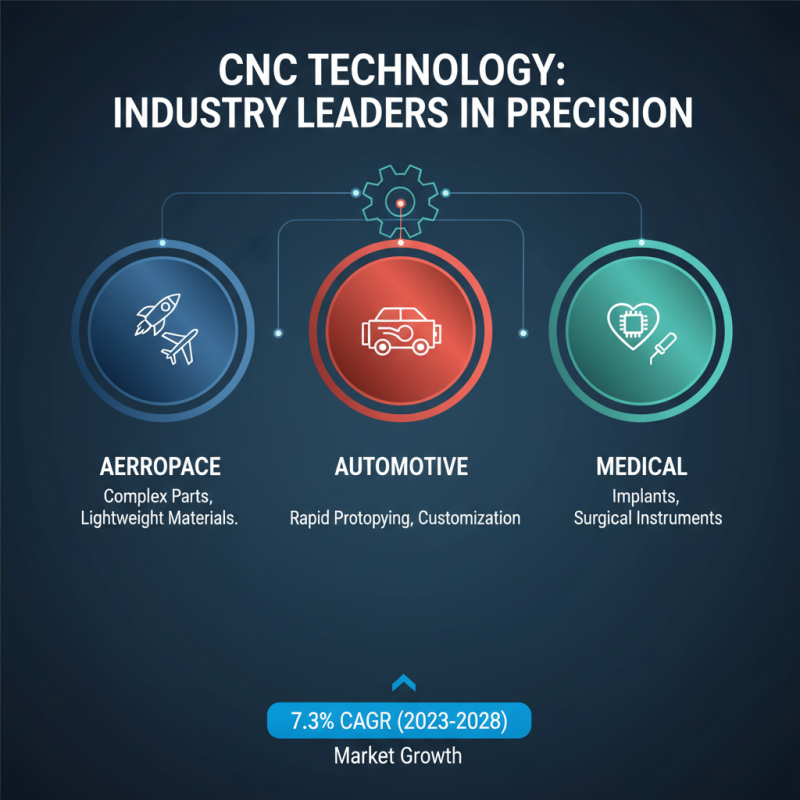
CNC technology has revolutionized manufacturing across various industries. Aerospace, automotive, and medical sectors benefit immensely from CNC machines. According to a 2022 report by Market Research Future, the CNC machine market is expected to grow at a compound annual growth rate (CAGR) of 7.3% from 2023 to 2028. This growth highlights the increasing reliance on precision and efficiency in production.
Aerospace companies turn to CNC machines for their ability to work with complex parts. These machines help create lightweight components essential for fuel efficiency. The automotive industry also leverages CNC technology to produce intricate engine parts with high accuracy. Precision is key here, as even a minor error can lead to costly recalls. Medical manufacturers find CNC invaluable for creating surgical tools and implants that require exact specifications.
Tip: Small manufacturers should assess their needs before investing in CNC technology. Mistakes can lead to wasted resources. Engaging in training programs can also enhance skills, ensuring workers get the most out of this technology. It’s vital to remember that not all CNC operations yield desired results. Continuous improvement is necessary for mastering the technology. Embracing the successes and setbacks can lead to greater innovation in the long run.
Considerations for Choosing the Right CNC Machine for Your Needs
When selecting a CNC machine, it's essential to assess your specific manufacturing needs. Different projects require different capabilities. A small shop may need a compact model, while a large facility might benefit from a multi-axis machine. Identifying your production volume and material types is crucial. Consideration of these factors will guide your choice effectively.
Tips: Think about the types of materials you will work with. Softer materials may need less robust machines. On the other hand, harder materials demand more powerful equipment. Cost is not just about the purchase price. Factor in maintenance, software, and training.
Another point to ponder is the machine's software compatibility. Some machines come with user-friendly software, while others require technical expertise. It’s worth questioning whether your team has the required skills. Also, evaluate the machine's flexibility for future projects. Modifications may be necessary down the line, so adaptability can save time and money.
Always remember that a CNC machine is an investment. Take time to research different models. Visit local dealers or attend trade shows to observe machines in action. Seek recommendations but rely on your unique requirements. Finding the right fit may take effort, but it’s essential for successful outcomes.
Why Choose a CNC Machine for Your Manufacturing Needs?
This bar chart represents the factors to consider when selecting a CNC machine for manufacturing. The data illustrates the importance of various features in making a decision.