How to Choose Precision CNC Machining for Your Projects?
Choosing the right precision CNC machining for your project is crucial. This decision impacts quality, efficiency, and cost. Precision CNC machining refers to the use of advanced technology for manufacturing parts with high accuracy.
When selecting a CNC machining service, consider material options carefully. Different materials offer varied properties, affecting the final product. Also, pay attention to the machine capabilities. Not all machines can handle complex designs. You may find limitations in certain services. This can lead to imperfections.
Additionally, evaluate the vendor's experience. An experienced provider will understand your needs better. However, don't overlook new companies. They might offer innovative solutions. Compare quotes, but remember, price isn't everything. Quality and reliability are key. Be ready to invest time in research. Precision CNC machining can transform your project, but only if it's chosen wisely.
Understanding Precision CNC Machining: Key Concepts and Techniques
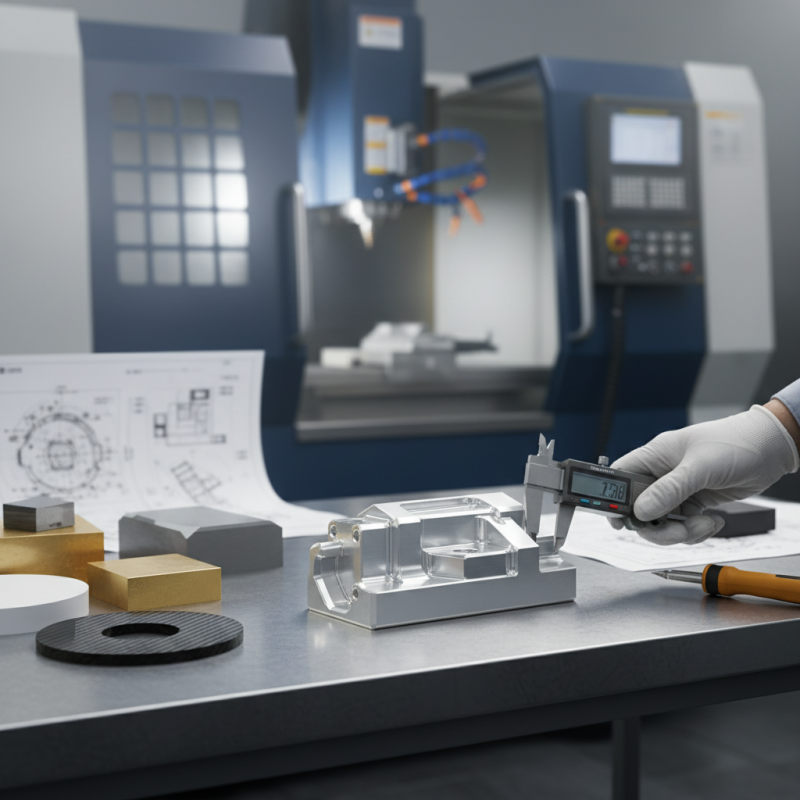
Precision CNC machining is an essential process in various industries. It involves computer-controlled tools to create intricate parts with high accuracy. Understanding key concepts is crucial for successful project outcomes. One important aspect is tolerances. Tolerances define the allowable deviation in dimension, impacting functionality. Tight tolerances are necessary for parts that fit together precisely, such as gears or brackets.
Tips: Always communicate your tolerance requirements clearly. This will help prevent misunderstandings and errors later in the process.
Another critical concept is the choice of materials. Different materials respond differently during machining. For instance, aluminum can be machined quickly, while titanium may take longer. It’s vital to match the material to the specific application. Using unsuitable materials can lead to production delays and increased costs.
Tips: Research material properties before making a decision. Consider factors like strength, weight, and machinability.
Lastly, design complexity is a crucial factor. Some designs may require advanced CNC techniques. Complex geometries can be harder to produce accurately. Yet, simplifying a design may undermine its performance. A balance needs to be struck between complexity and functionality.
Tips: Prototype your design first. This can reveal unexpected machining challenges early on.
Key Factors in Precision CNC Machining
Identifying Your Project Requirements: Material and Design Considerations
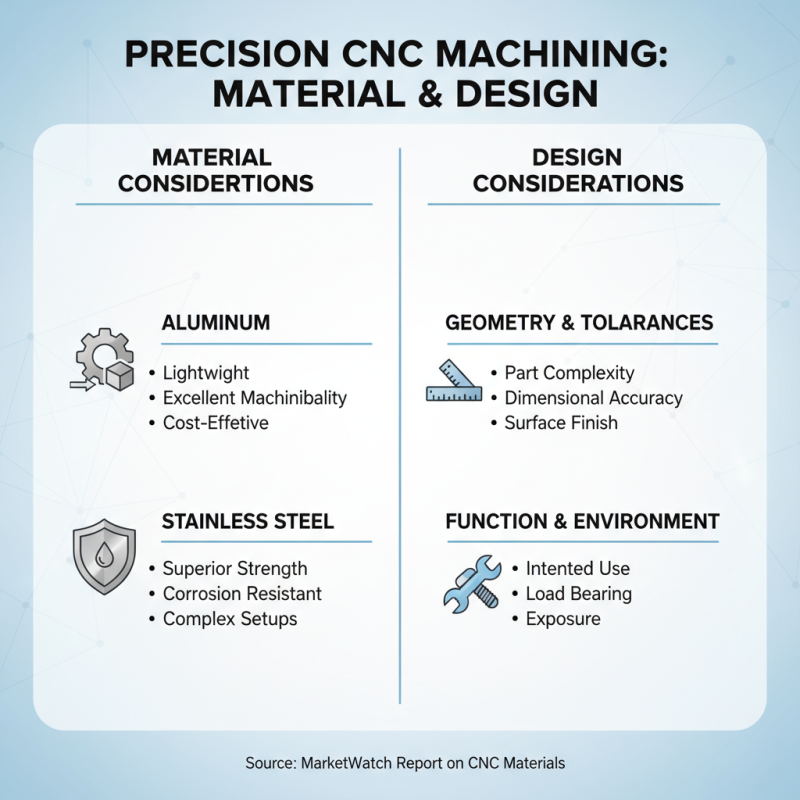
When embarking on a precision CNC machining project, understanding your material and design considerations is crucial. Different materials have unique properties that affect machining outcomes. For instance, according to a report by MarketWatch, aluminum is known for its lightweight and excellent machinability. However, stainless steel offers superior strength and corrosion resistance but often requires more complex machining setups.
Design choices also play a significant role in the machining process. Complex geometries may lead to higher production costs and longer lead times. A study from the Machining Association indicates that parts with intricate features can increase machining time by up to 30%. This often leaves little margin for error, presenting challenges. If a design requires precise tolerances, consider the limitations of available technologies. Not every CNC machine handles every design equally well.
Additionally, reflect on your project's specific needs. Assess the trade-offs between material availability and cost. A lower-cost material might not always yield the best results, which can affect the project deadline. CNC machining can be forgiving, but miscalculations in material choices can lead to waste and project delays. Understanding these nuances is key to achieving successful outcomes in your projects.
Evaluating CNC Machining Service Providers: Key Selection Criteria
Choosing the right CNC machining service provider is critical for project success. Start by evaluating their expertise in your specific industry. Look for providers with experience in materials you plan to use. This can include metals, plastics, or composites. The right experience can impact the final product quality significantly.
Next, consider their capabilities. Do they offer a variety of CNC machines? It's beneficial if they have both milling and turning options. This variety provides flexibility, allowing for more complex parts without needing to switch providers. Also, check their production timeline. Are they able to meet your deadlines? Sometimes, even the best providers can underestimate time requirements, leading to delays.
Finally, communication is key. A transparent provider will keep you informed throughout the process. It’s essential to inquire about their customer support. Are they responsive to queries or concerns? Lack of communication can lead to misunderstandings, which may affect the project outcome. Reflect on these factors deeply; they will shape your overall experience.
Analyzing Cost and Time Factors in CNC Machining Projects
When considering CNC machining, cost and time are critical factors. The average CNC machining hourly rate varies significantly based on complexity and material. According to a report by the National Association of Manufacturers, labor costs may account for 30% to 50% of the total expenses in machining projects. Understanding these costs helps in budgeting effectively.
Time efficiency is equally vital. A study by Deloitte shows that 50% of manufacturers see time as a primary concern when choosing CNC services. Delays in production can lead to increased costs. Opting for precision machining can reduce manufacturing time but may require a higher initial investment. Companies often grapple with finding the right balance between quicker delivery and budget constraints.
It is essential to recognize that while precision offers benefits, it also challenges conventional time frames. Machining parts that require strict tolerances can lead to longer setup times and inspections. Monitoring these aspects closely can provide insights into improving production processes. Reflecting on project timelines and associated labor costs is necessary for making informed decisions in CNC machining projects.
Ensuring Quality Control in CNC Machining: Best Practices and Standards
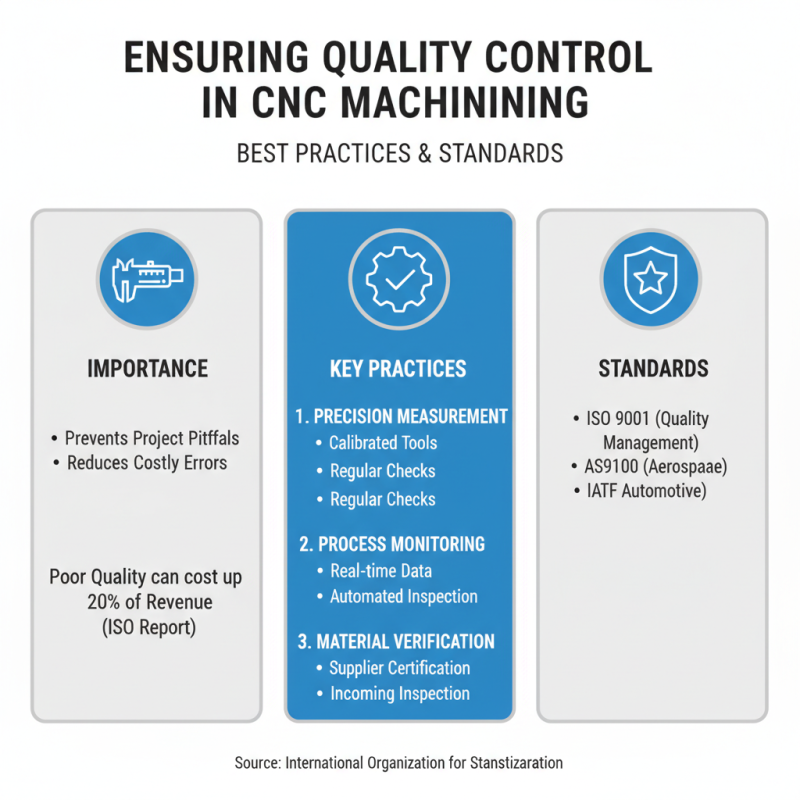
In CNC machining, quality control is essential. Inaccurate measurements can lead to significant project pitfalls. A recent report by the International Organization for Standardization suggests that poor quality can cost companies up to 20% of their revenue. This highlights the importance of stringent quality checks.
One best practice is implementing a robust inspection process. Each part should undergo dimensional checks after machining. According to engineering studies, about 30% of parts may not meet specifications without rigorous inspection. Using tools like CMM (Coordinate Measuring Machines) ensures precision. Moreover, documentation of all inspection results fosters accountability.
Standards play a vital role in maintaining quality. Adhering to ISO 9001 can enhance process consistency. However, many manufacturers struggle with compliance. They may overlook key details, leading to non-conformance issues. Regular audits can help address these gaps. Embracing continuous improvement is crucial for long-term success. Engaging employees in quality discussions often uncovers overlooked insights.