How to Choose the Best Air Muffler Silencer for Your Needs?
Choosing the right Air Muffler Silencer can be a daunting task. Many options exist on the market. Each has its unique features and benefits. This guide will help simplify your decision-making process.
Understanding your specific needs is crucial. Do you require sound attenuation for industrial settings or personal use? Your environment plays a significant role in this choice. For example, some silencers are designed for heavy machinery, while others work best with smaller engines.
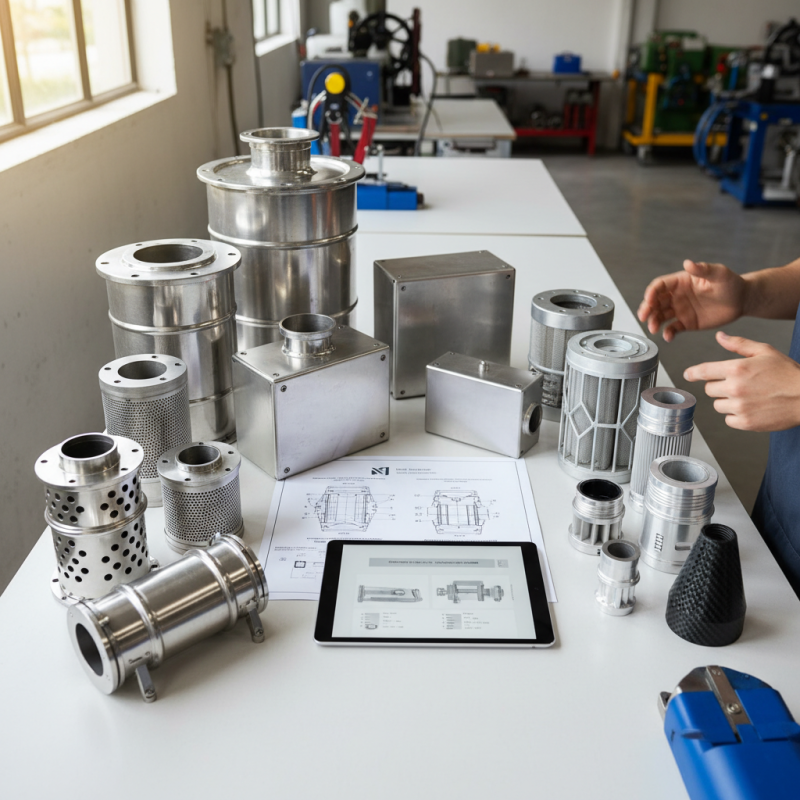
Consider the material and design of the Air Muffler Silencer. Stainless steel, fiberglass, and perforated designs may each suit different applications. Reflect on how noise levels affect your work or daily life. A poorly chosen silencer could lead to ongoing frustration and inadequate noise suppression. Take the time to research and compare options thoroughly.
Understanding Air Muffler Silencers: Key Features to Consider
When selecting an air muffler silencer, several key features must be considered. The material is important. Most silencers use steel or aluminum. Steel is durable but heavy. Aluminum is lightweight but may corrode. Assess your environment. Will it be exposed to moisture? If yes, choose a corrosion-resistant option.
Next, look at the size. A larger silencer usually provides more sound reduction. However, it may not fit your system. Ensure you measure available space before making a decision. Consider the connection type, too. Different systems require different fittings. A mismatch can lead to installation headaches.
Performance is crucial. Some silencers reduce noise more effectively than others. Check noise reduction ratings if available. Pay attention to airflow. A silencer that restricts airflow can affect performance. Noise might decrease, but power could suffer. Sometimes, the most complicated choice isn’t necessarily the best one. If there's too much noise in the area, sometimes a trial-and-error approach is needed to find the right fit.
Types of Air Muffler Silencers and Their Applications
When selecting an air muffler silencer, understanding the types available is crucial. There are several main categories: reactive, absorbing, and combination silencers. Reactive mufflers reduce noise using chambers that disrupt sound waves. Absorbing types use sound-absorbing materials to lessen noise. Combination silencers provide comprehensive noise control by merging both technologies.
Industry reports highlight that absorbing silencers can reduce noise levels by up to 25 dB, depending on the application. They are often preferred in industrial settings where machinery operates continuously. Reactive silencers, while effective, may be bulkier and less versatile. Noise reduction capabilities vary significantly among types. Users must weigh the benefits of each based on space and requirements.
Applications range vastly. Construction sites often employ reactive silencers due to their durability and effectiveness. Meanwhile, manufacturing facilities might favor absorbing types for their quieter operation. It's essential to consider where and how these devices are used. No one size fits all. Even within specific industries, the need for precise sound control differs greatly. Failure to choose the right type can lead to noise pollution and compliance issues. Thus, careful evaluation is needed.
Evaluating Noise Reduction Performance of Air Muffler Silencers
When choosing an air muffler silencer, noise reduction performance is crucial. Noise can be disruptive in many environments. A silencer that effectively reduces sound can make a significant difference. Look for specifications detailing the decibel reduction. Check the frequency ranges as well. Some silencers perform better at certain noise levels.
Materials used in construction can impact performance. Stainless steel is common but not always ideal. Look for products that balance weight and durability. Heavier models might absorb sound better but could be harder to install. Also, consider the design. Some shapes disrupt airflow more than others, affecting overall efficiency.
It's important to test the product in your environment if possible. Real-life application can differ from advertised specs. Measuring noise before and after installation can provide clear insights. You might find that what works in one setting may not work well in another. Reflect on your individual needs rather than relying solely on reviews and ratings.
Materials and Build Quality: What to Look For in a Silencer
When choosing an air muffler silencer, the materials and build quality are crucial factors. Steel and aluminum are commonly used materials. However, stainless steel offers higher corrosion resistance. This can lead to longer lifespans. Consider the thickness of the material as well. Thicker materials can provide better sound insulation but may add weight.
The design of the silencer also plays a key role. Look for rugged construction that withstands harsh environments. According to a 2021 industry report, silencer longevity is significantly impacted by build quality. Products with reinforced welds and high-grade finishes often outperform competitors. It’s essential to evaluate user reviews and performance data before making a decision.
Another aspect to consider is the internal structure. Some silencers are designed with multi-chamber technology. This can significantly reduce noise levels. However, a more complex structure may limit airflow. Always weigh noise reduction against performance. Making a choice without proper research can lead to regrets later. It’s important to note that not all silencers are created equal.
How to Choose the Best Air Muffler Silencer for Your Needs? - Materials and Build Quality: What to Look For in a Silencer
| Dimension | Material | Build Quality | Noise Reduction Level | Price Range |
| Small (3-4 inches) | Aluminum | High | 25-30 dB | $50 - $100 |
| Medium (5-6 inches) | Stainless Steel | Moderate | 30-35 dB | $70 - $150 |
| Large (7-8 inches) | Carbon Steel | Low | 35-40 dB | $80 - $200 |
| Custom Size | Fiberglass | High | 20-25 dB | $100 - $250 |
Installation and Maintenance Tips for Air Muffler Silencers
Installing an air muffler silencer requires careful planning. But many people rush into it without proper preparation. Begin by checking the specific needs of your air compressor system. Understand the noise levels you need to manage. Proper sizing is crucial. A mismatch can lead to inefficiencies.
Tips for installation include ensuring tight seals. Loose connections can cause leaks and noise. Verify your mounting options, too. Some installations require more reinforcement than others. Avoid cutting corners. It is better to take your time and do it right.
Maintenance is equally important. Regularly inspect the silencer for wear and tear. Accumulated dirt can affect performance. Cleaning should be part of your routine to ensure optimal operation. Listen for unusual sounds, as these may indicate issues. Don't ignore them. Your muffler's lifespan depends on these little details.