How to Choose the Best Mig Mag Welder for Your Projects?
Choosing the right Mig Mag Welder can significantly impact your project's success. These versatile machines combine two welding methods, offering a unique blend of strengths. Understanding these advantages is key to making an informed choice.
When selecting a Mig Mag Welder, consider your welding materials and project types. Different welders cater to specific needs. It's crucial to find one that aligns with your requirements. Look at the welder's power, duty cycle, and features closely. A lack of thorough research might lead to mistakes later on.
Many people overlook the importance of brand reputation. A trusted brand usually provides better support and warranty services. Their experience can guide you in choosing the right product. Yet, many users still struggle with technical aspects. Reflecting on your welding skills and project goals helps narrow down options. This combination of knowledge and introspection is vital for making the best choice.
Understanding Mig Mag Welding and Its Applications
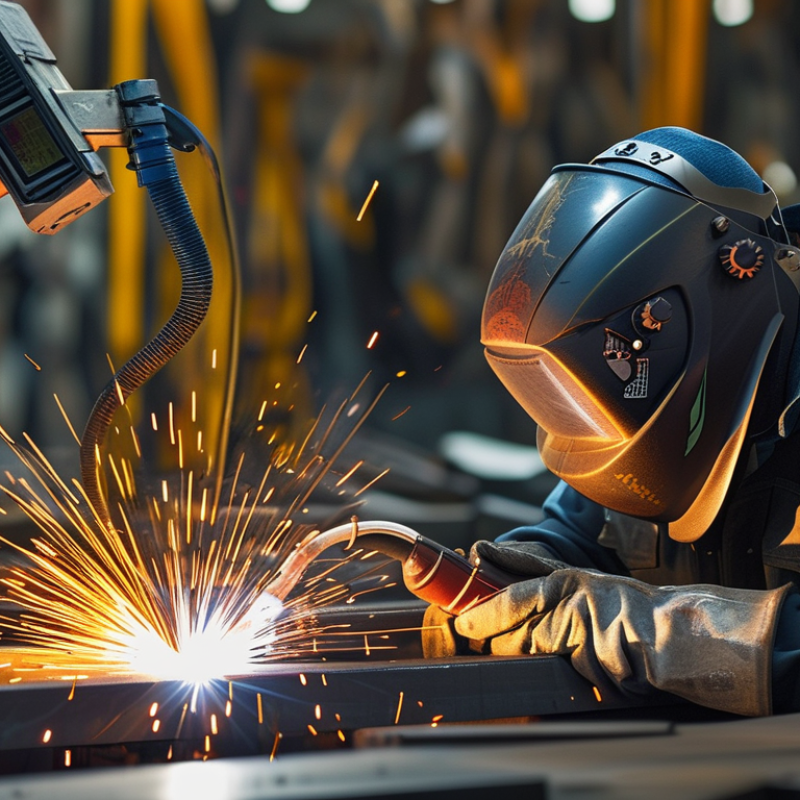
Mig Mag welding is a versatile technique widely used in various industries. It combines gas metal arc welding (GMAW) and flux-cored arc welding (FCAW), making it suitable for different materials. This method is effective for thin and thick metals alike, offering flexibility in projects.
One of the key advantages of Mig Mag welding is its speed. The process allows for continuous feeding of the welding wire, reducing downtime and enhancing productivity. However, the need for a stable environment is crucial. Wind or contamination can affect the quality of the weld. Understanding the environmental conditions is essential for achieving optimal results.
Moreover, Mig Mag welding caters to a range of applications, from automotive repairs to construction. Each project may demand different settings and techniques. While many welders excel in technical skills, experience plays a significant role in handling various challenges. Reflecting on past projects can provide valuable insights for future endeavors. Every welder has unique experiences, and learning from mistakes is part of the journey.
Key Features to Consider When Choosing a Mig Mag Welder
When selecting a MIG MAG welder, understanding key features is crucial. Many experts recommend considering the welder’s duty cycle. This refers to the time a welder can operate before it needs cooling. A duty cycle of 60% allows for continuous work in a ten-minute span. If you're working on larger projects, a higher duty cycle is beneficial, providing longer working periods without delays.
Welding thickness is another important factor. Assess your typical metal thickness. Many projects require welders that can handle material sheets from 0.030 to 0.250 inches thick. Choose a welder that suits your specific needs. The versatility of the welder's settings also matters. Adjustable voltage and wire feed speed enhance control, influenced by various materials and thicknesses. Studies indicate that users prioritize welders offering easy adjustments.
Portability is a common concern as well. Weighing between 45 to 75 pounds is typical for many models, but portability also involves user comfort. A welder with sturdy wheels and a compact design enhances maneuverability. While features are essential, balance between functionality and your project requirements is key. In the end, there’s no one-size-fits-all approach, as each project can present unique challenges.
How to Choose the Best Mig Mag Welder for Your Projects? - Key Features to Consider When Choosing a Mig Mag Welder
| Feature | Description | Importance |
| Power Output | Refers to the amp range the welder can output, affecting its capability for different materials. | High |
| Duty Cycle | Percentage of time a welder can operate continuously within a set period. | High |
| Ease of Use | Includes features like automatic settings and digital displays for user-friendliness. | Medium |
| Portability | Weight and size of the welder, affecting how easy it is to transport. | Medium |
| Interchangeable Gas Options | Ability to switch between different types of shielding gases for various welds. | High |
| Price Range | Cost of the welder determined by features, brand reputation, and specifications. | High |
| Customer Support | Quality of customer service and support from the manufacturer or supplier. | Medium |
Evaluating the Power and Performance Requirements
When selecting a Mig Mag welder, understanding power and performance is crucial. Welders typically operate at voltages between 120V to 240V. Higher voltage can lead to better penetration and thicker materials. The American Welding Society suggests that a 140-amp welder suffices for general projects. However, for heavy-duty tasks, consider models exceeding 200 amps for optimal performance.
Choosing the right wire feed speed is essential. A higher speed may increase efficiency but could lead to poor weld quality. The ideal range is often between 300 to 600 inches per minute. Evaluating the metal thickness is key, as thicker materials need more heat and speed. Data shows that a 30-40% duty cycle is standard for home projects. Professional settings often require at least a 60% duty cycle for continuous use.
Inspect your welding environment. Ventilation matters; poor air quality can hinder performance and safety. Regularly check gas connections and wire tension. Quality control is vital; bad settings can cause defects. Reflect on past projects; identify what worked and what didn’t. Use previous experiences to inform your current decisions.
Assessing the Budget and Cost-Effectiveness
When considering a MIG MAG welder, budget plays a crucial role. According to a report by the American Welding Society, about 70% of hobbyists prioritize cost over brand. Various models range from a few hundred to several thousand dollars. A welder priced around $500 can be ideal for beginners. However, investing in higher-end options may yield better reliability and features.
Cost-effectiveness extends beyond the initial purchase. Operational costs, including gas and wire, can inflate overall expenses. A study found that those who use a budget-friendly MIG MAG welder often face higher maintenance costs due to wear and tear. Failing to choose a durable model can lead to unexpected repairs, which may surpass initial savings.
Evaluating your specific needs is also essential. A welder suited for light duties may suffice for small projects. Yet, frequent users should consider more robust machines. Gathering insights from forums and welding communities can offer real-world perspectives. Budget constraints should not compromise quality, as durability influences long-term performance and reliability.
Reviewing Brand Reputation and Customer Feedback
When selecting a MIG MAG welder, brand reputation plays a critical role. A well-respected brand often reflects quality and reliability. Customer reviews are essential. They reveal real-life experiences that can guide your decision. Look for feedback on the welder's performance, durability, and ease of use.
Analyzing customer comments can uncover common issues. Some users might report difficulties with settings or techniques. Pay attention to trends in the feedback. If multiple customers mention similar problems, it's worth considering. However, not every review will align with your needs. Personal preferences vary, and what's a flaw for one might be an advantage for another.
Consider the overall sentiment of reviews. A welder with solid ratings but scattered negative feedback may need further investigation. Determine if those concerns are deal-breakers for your projects. Research thoroughly and weigh all facets of the testimonials before making a choice. This thorough approach can save you time and frustration down the road.