How to Choose the Best Precision CNC Machining Services for Your Project
When it comes to manufacturing in today's competitive landscape, the demand for high-quality components has never been greater. Choosing the best precision CNC machining services for your project is crucial to ensure that your specifications and standards are met with unparalleled accuracy. Precision CNC machining refers to the process of utilizing computer-controlled tools to produce intricate and precise parts, making it an essential choice for industries ranging from aerospace to medical devices.
In this article, we will explore the key factors to consider when selecting precision CNC machining services that align with the needs of your project. From evaluating the capabilities of the service provider to understanding their quality control measures, we will guide you through a comprehensive approach to making an informed decision. By the end of this discussion, you will have the insights necessary to choose a partner that not only meets your project requirements but also enhances your overall production efficiency.
Identifying Your Project Requirements for Precision CNC Machining
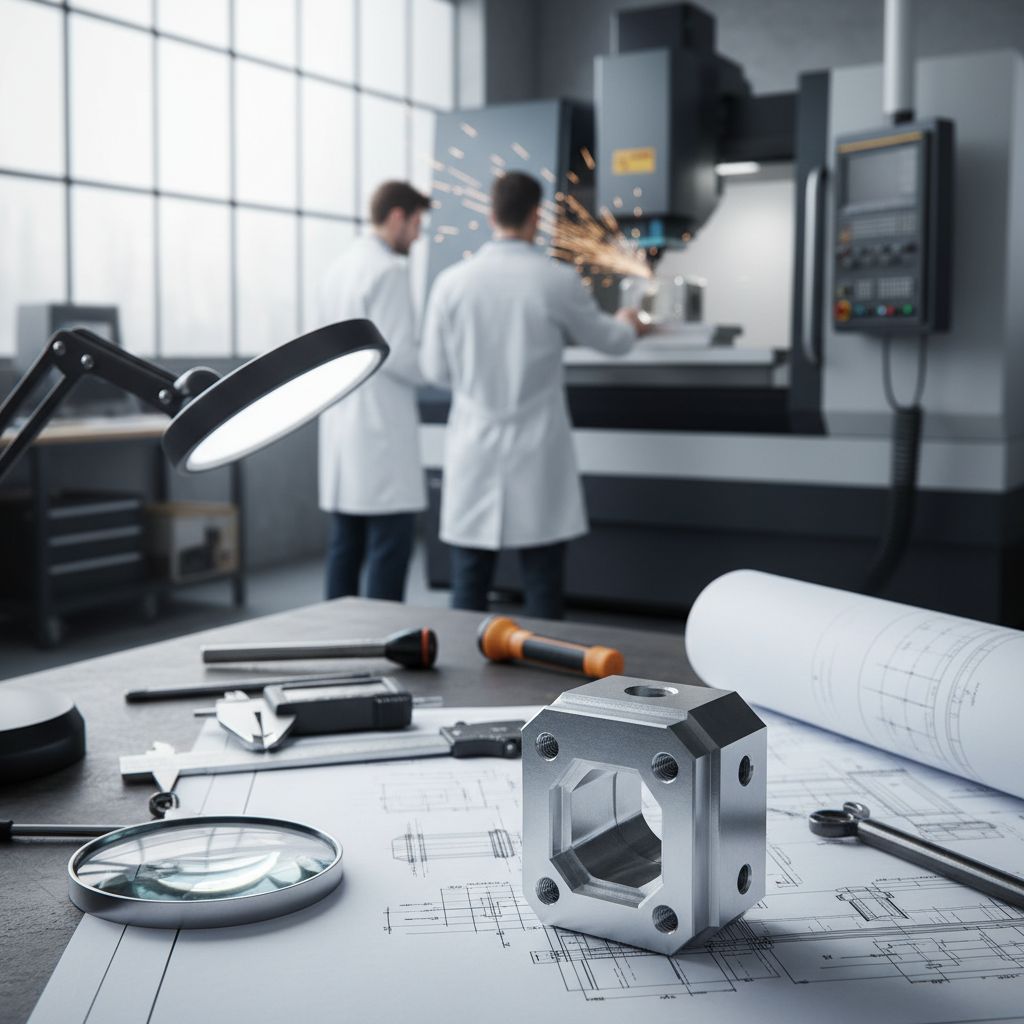
When considering CNC machining services for your project, the first step is to clearly identify your project requirements. According to a recent market analysis by Grand View Research, the global CNC machining market is expected to reach USD 100 billion by 2027, highlighting the increasing reliance on precision machining across various industries. Understanding your specific needs—such as tolerances, material specifications, volume, and lead times—will significantly influence your choice of service provider.
For instance, if your project requires tight tolerances of ±0.005 inches, this demands not only advanced machinery but also operators with specialized skills. A report from Techsci Research indicates that nearly 50% of companies prioritize precision over cost when selecting CNC machining services. Therefore, outlining your technical requirements and quality standards beforehand will help you narrow down potential vendors. Additionally, consider the industry experience of the machining service, as familiarity with your specific sector—whether aerospace, medical, or automotive—can be crucial in delivering the precision and reliability that your project necessitates.
Evaluating the Capabilities of CNC Machining Service Providers
When evaluating the capabilities of CNC machining service providers, it's crucial to consider their technical expertise and the range of services they offer. According to a recent report from IBISWorld, the CNC machining industry is projected to grow by 5.1% annually, indicating a steadily increasing demand for precision manufacturing solutions. Companies that specialize in CNC machining should demonstrate a robust understanding of various machining processes, materials, and the latest technologies in automation.
Additionally, assessing a provider’s experience with complex geometries and high-tolerance applications is vital. The 2022 Precision Manufacturing Trends report highlighted that 30% of manufacturers prioritize precision and customization in their machining needs. Service providers with diverse capabilities in 5-axis machining, multi-tasking lathes, and advanced tooling solutions are better positioned to handle intricate designs while ensuring dimensional accuracy.
Examining a company's past projects and client testimonials can provide insights into their ability to meet specific project requirements effectively.
Understanding Material Options and Their Impact on Precision
When selecting precision CNC machining services for your project, understanding the various material options is crucial. Different materials can significantly influence the machining process, the final product's durability, and its suitability for specific applications. For instance, metals such as aluminum offer excellent machinability and are lightweight, making them ideal for aerospace components. In contrast, stainless steel, while more challenging to machine, provides exceptional strength and corrosion resistance—key factors for medical and automotive applications.
Furthermore, polymer materials have gained popularity due to their versatility and cost-effectiveness. They can be machined to high precision and are often used in prototyping and low-volume production runs. Each material comes with its own set of characteristics, including thermal stability, flexibility, and finish quality, which can affect design choices. By thoroughly understanding these material properties and their implications, you can make informed decisions that align with your project requirements and ensure optimal performance of the final product.
Assessing Quality Control Measures in CNC Machining Services
When selecting CNC machining services for your project, assessing quality control measures is crucial. Quality control is not just a procedure; it's a systematic approach to ensuring that every part produced meets the required specifications consistently. According to a recent industry report by MarketWatch, nearly 80% of manufacturers identify quality issues as their primary concern, emphasizing the necessity for robust QC measures. Comprehensive inspections during the machining process can significantly reduce defects and ensure the deliverables meet industry standards.
Prominent quality control methods include Statistical Process Control (SPC) and Six Sigma, which facilitate the ongoing assessment of manufacturing processes and product quality. Implementing these methodologies not only leads to enhanced accuracy and consistency but also aligns with the trends of digital transformation seen across various manufacturing sectors. The recent initiative by several government departments to promote digital upgrades in industries illustrates this ongoing shift. By choosing a CNC service provider with advanced quality control systems, you can ensure that your project benefits from both precision and reliability, essential in today's competitive market.
Comparing Costs and Lead Times for Effective Decision-Making
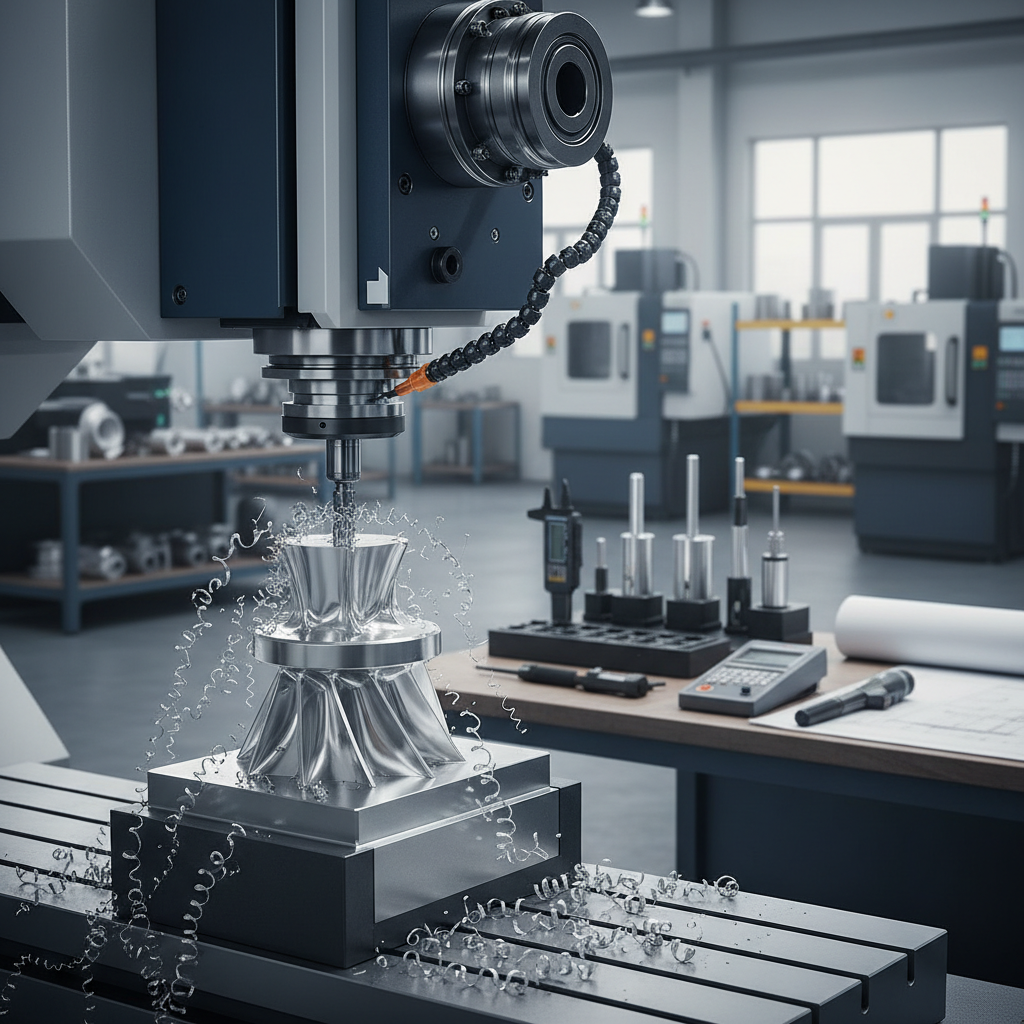
When selecting precision CNC machining services, understanding the costs and lead times involved is crucial for effective decision-making. Recent industry reports indicate that precision machining can vary significantly in cost, with average prices ranging from $50 to $150 per hour, depending on factors such as material type, complexity of the design, and the technology employed. Additionally, estimates suggest that lead times for CNC machining can span from a few days to several weeks, primarily influenced by the supplier's capacity and the intricacies of the project requirements.
Aligning with suppliers efficiently is essential to streamline both cost and time. A comprehensive process is vital, starting with the optimization of production techniques and ensuring the availability of raw materials. As outlined in recent analyses, effective supplier collaboration not only reduces lead times but also enhances product quality. Identifying and establishing relationships with reliable vendors who practice transparent communication can yield significant cost savings, with industry studies indicating that companies optimizing their supply chain can reduce costs by up to 15%. Therefore, when making a choice for CNC machining services, a focus on detailed cost comparisons and lead time evaluations will enable businesses to make informed decisions that align well with their production schedules and budget constraints.