Why Choose an Industrial Hydraulic Press for Your Operations?
In today's manufacturing landscape, an Industrial Hydraulic Press is a crucial tool for many operations. This powerful machinery can transform raw materials into finished products with exceptional precision. Selecting the right hydraulic press can enhance productivity and streamline processes. Many industries, including automotive and aerospace, rely heavily on these presses for tasks like forming, bending, and cutting.
An Industrial Hydraulic Press provides unmatched force and control. With its hydraulic mechanisms, it can generate thousands of tons of pressure. This makes it ideal for heavy-duty applications. Operators can achieve consistent results, which is vital for maintaining quality standards. However, investing in these machines requires careful consideration. The initial costs can be significant, and maintenance is essential for longevity. Potential users must weigh these factors against their operational needs.
While the advantages are clear, there are challenges as well. Users may face learning curves with complex controls. Safety should also be a top priority, as improper use can lead to accidents. It's imperative to invest in training and resources. Ultimately, the Industrial Hydraulic Press can elevate production capabilities but demands respect and understanding of its power.
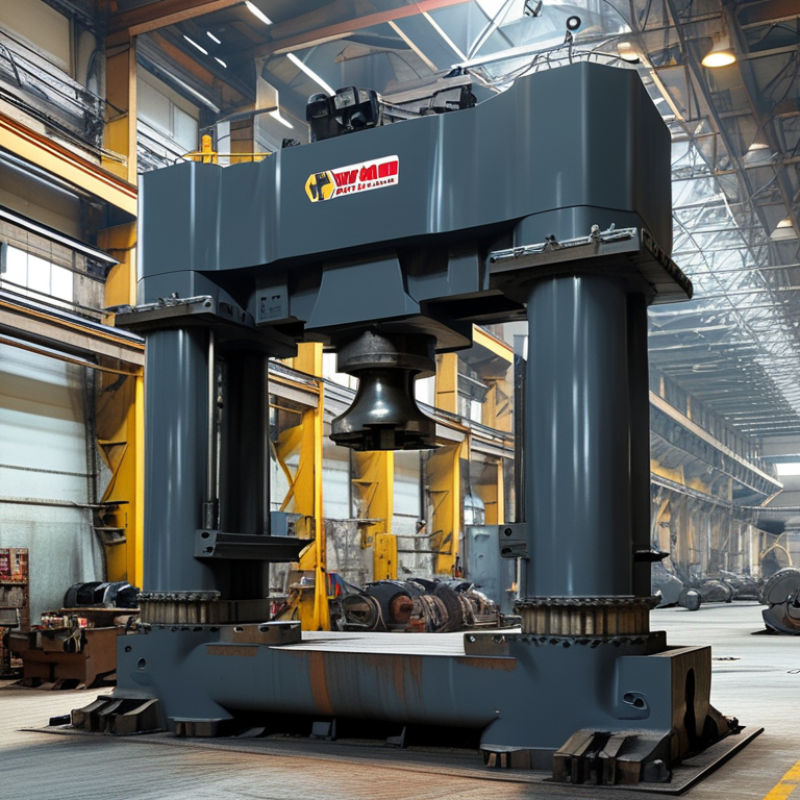
Benefits of Using an Industrial Hydraulic Press in Manufacturing
An industrial hydraulic press is a vital tool in manufacturing. Its power comes from hydraulic systems, allowing it to exert significant force. This capability makes it suitable for various applications, including metal forming, molding, and compaction. Manufacturers benefit greatly from its efficiency in handling heavy materials, reducing manual labor, and minimizing errors in production.
One notable benefit is precision. Hydraulic presses can deliver high accuracy in every operation, from stamping to bending. This precision contributes to better product quality and reduced waste. In a competitive market, staying ahead means maximizing productivity. However, users must be mindful of regular maintenance to keep the equipment in optimal condition. If not properly maintained, hydraulic systems may fail or even cause accidents.
Safety is another key aspect. Hydraulic presses come equipped with safety features that protect operators during use. Yet, proper training is required to ensure that these features are utilized effectively. Inadequate training could lead to mishaps on the production floor. Therefore, investing time in operator education pays off in the long run.
Benefits of Using an Industrial Hydraulic Press in Manufacturing
Key Applications of Hydraulic Presses Across Various Industries
Hydraulic presses play a pivotal role across various industries. In manufacturing, they shape and mold metal and plastic components with precision. Car manufacturers often rely on hydraulic presses for forming body parts. This ensures quality and uniformity in production.
In the construction sector, these presses are essential for compressing materials, such as concrete and bricks. The high force generated allows for efficient and consistent density in construction materials. This can sometimes lead to flaws if the material is not monitored closely.
Another key application is in the packaging industry. Hydraulic presses help in sealing and shaping packaging materials effectively. This process improves durability but can raise questions about waste management. Understanding the implications of using hydraulic presses can help optimize operations. Balancing efficiency with sustainability is an ongoing challenge in these applications.
How Hydraulic Press Technology Enhances Production Efficiency
Industrial hydraulic presses are invaluable in manufacturing processes. These machines apply great force, enabling various applications like metal forming, assembly, and molding. Reports indicate that hydraulic systems can achieve efficiency levels of up to 90%. This significantly reduces energy costs, enhancing overall production efficiency.
Using hydraulic press technology improves precision. For example, the ability to control pressure with high accuracy ensures consistent product quality. Studies show that consistent quality reduces waste rates by 30%. However, operators must be trained thoroughly to maximize these benefits. A poorly calibrated press can lead to defects that undermine production goals.
Incorporating regular maintenance checks is crucial. Even the best hydraulic presses need upkeep to deliver optimal performance. Issues like oil leaks or worn seals can reduce efficiency. Setting a maintenance schedule can prevent costly downtimes. Investing in training for operators also pays off in the long run. Skilled operators can troubleshoot issues before they escalate, ensuring smooth operations.
Factors to Consider When Selecting a Hydraulic Press for Operations
Selecting the right hydraulic press is crucial for your operations. Key factors include tonnage, speed, and type of materials processed. Industry reports show that a hydraulic press can deliver forces from a few tons to several hundred tons. For heavier manufacturing tasks, higher tonnage is essential to maintain efficiency and productivity.
Speed is another critical aspect. Hydraulic presses operate at various speeds depending on the application. For instance, high-speed presses are ideal for repetitive tasks such as stamping. Data indicates that speeds can reach up to 300 strokes per minute. This translates into increased output, but it also raises questions about the durability of components under such strain.
Material compatibility must also be considered. Different operations require presses that can handle specific materials like metals, plastics, or composites. Each material has unique properties that must align with the press's capabilities. For example, pressing metals requires robust systems to combat wear and tear. While many options exist, it’s essential to reflect on how each press aligns with your operational needs and long-term goals. Choosing hastily could lead to inefficiencies.
Maintenance Best Practices for Maximizing Hydraulic Press Lifespan
Maintaining an industrial hydraulic press is crucial for maximizing its lifespan. Regular inspections are essential. According to the International Hydraulics Institute, proper maintenance can extend equipment life by 30%. Focus on hydraulic fluid levels, as low levels can lead to overheating and component wear. Keeping the system clean is equally important. Contaminants can damage internal components. A clean machine runs smoothly and efficiently.
Operators should also monitor pressure settings. Over-pressurization can cause significant damage. The American Society of Mechanical Engineers recommends using pressure gauges for accurate readings. Additionally, operators should be trained in recognizing unusual sounds or vibrations. These can indicate potential problems before they escalate.
Routine maintenance should include checking seals and hoses. Replacing worn parts proactively can prevent costly downtime. Training maintenance staff in best practices ensures everyone understands the importance of these tasks. Investing time in regular checks pays off, leading to higher productivity and lower operational costs. Regular attention to detail keeps the hydraulic press running optimally, ensuring it remains a valuable asset to the production line.