How to Choose the Right Cylindrical Gearbox for Your Needs?
Choosing the right Cylindrical Gearbox is crucial for optimal performance in various applications. A cylindrical gearbox is essential for transmitting power efficiently. Understanding your specific needs can significantly impact your machinery's effectiveness.
There's a wide variety of cylindrical gearboxes available. Each type serves different purposes based on design, load capacity, and speed ratios. Knowing the details like size and torque requirements is important. Yet, many overlook these factors, leading to inefficiencies.
Professional insight can guide you through this selection process. A well-chosen cylindrical gearbox can enhance system reliability and reduce maintenance costs. However, careful consideration is necessary to avoid common pitfalls. Research and consult with experts to make an informed choice. Understanding the nuances can lead to better outcomes in your projects.
Understanding the Basics of Cylindrical Gearboxes
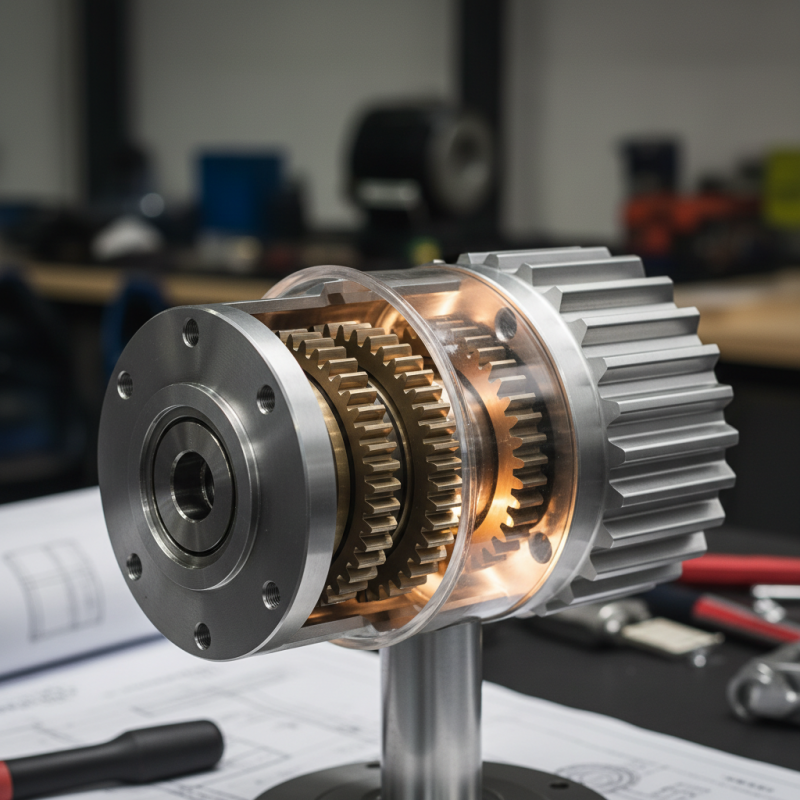
Cylindrical gearboxes are essential in various industries. They play a vital role in power transmission. Knowing their components can help in making the best choice. A cylindrical gearbox consists of gears, shafts, and bearings. Understanding these parts can aid in predicting performance metrics.
According to recent industry reports, cylindrical gearboxes can achieve efficiency ratings of 95% or higher. They also offer multiple gear ratios, which can meet different operational demands. However, it’s crucial to consider load capacity and thermal performance. Overlooking these factors can lead to premature failure or inefficiencies. Manufacturers emphasize the importance of matching gearbox specifications to application needs.
When selecting a gearbox, evaluating operating conditions is important. Factors like speed, torque, and environmental conditions should not be ignored. Neglecting these parameters may lead to inappropriate gearbox selection. The decision should also consider future scalability. As industries evolve, gearboxes might need upgrades. This foresight can prevent costly retrofits down the line.
Identifying Your Specific Application Requirements
When selecting a cylindrical gearbox, recognizing your specific application requirements is critical. A report from the International Federation of Automatic Control indicates that 30% of gearbox failures stem from misapplication. Understanding torque, speed, and operational load is essential. For instance, a gearbox rated for high torque may not perform well in low-torque applications. The mismatch can lead to reduced lifespan and unexpected downtime.
Each industrial setting has unique demands. A study by Research and Markets reveals that over 55% of manufacturers prioritize customization. They seek gearboxes tailored for specific tasks. For example, in robotic applications, precise gear ratios are necessary for accurate movement. Oversized gearboxes can lead to inefficiencies, wasting energy and increasing operation costs.
It's vital to determine environmental conditions as well. A gearbox used in harsh environments, such as extreme temperatures or humidity, requires corrosion-resistant materials. As industries evolve, the demand for diverse gearbox applications continues to grow, making informed decisions more important than ever. Miscalculations at this stage can lead to significant long-term consequences.
Evaluating Key Specifications and Features
When selecting a cylindrical gearbox, understanding its specifications is crucial. Key factors include gear ratio, load capacity, and efficiency. A higher gear ratio increases torque but may limit speed. For your application, consider the required output speed and the load that the gearbox must handle. The interplay between these specifications will significantly affect performance.
Efficiency is another critical aspect. Look for gearboxes with low energy loss to optimize your system. Pay attention to material quality as well. Durable materials enhance reliability and lifespan, but they can also increase initial costs. Balancing cost and performance can be challenging, and it's essential to evaluate what compromises you can make.
Don’t forget about size and installation. Space constraints can limit your choices. Ensure that the dimensions fit your machinery. Sometimes, a gearbox may meet all specifications but be too bulky for your setup. It’s worthwhile to revisit your design and think critically about whether your choice aligns with overall goals. Custom options may be available, though they could extend lead times and increase investment, which is another vital consideration.
How to Choose the Right Cylindrical Gearbox for Your Needs? - Evaluating Key Specifications and Features
| Specification | Description | Value |
| Gear Ratio | The ratio of input to output speed. | 5:1 |
| Torque Capacity | Maximum torque the gearbox can handle. | 100 Nm |
| Efficiency | Energy loss during operation. | 95% |
| Output Speed | Speed of the output shaft. | 200 RPM |
| Material | Material used for casing and gears. | Aluminum Alloy |
| Mounting Type | How the gearbox is mounted in the application. | Flange Mounted |
| Cooling Method | Method used to dissipate heat. | Air-Cooled |
| Weight | Total weight of the gearbox. | 15 kg |
Comparing Material and Design Options for Durability
Selecting a cylindrical gearbox requires a deep dive into material and design options. These factors significantly affect durability and performance. When choosing materials, steel and aluminum are popular. Steel offers higher strength and load capacity, while aluminum is lightweight and resistant to corrosion.
Design plays an equally vital role. The gearbox's configuration affects how it handles stress and fatigue. A well-designed gearbox can withstand harsh conditions and reduce maintenance needs. For instance, helical gears might provide quieter operation compared to spur gears, but they require precise alignment.
In exploring these options, it's important to acknowledge that no one-size-fits-all solution exists. Each application presents unique challenges. A less durable material might suffice for low-load applications. In contrast, demanding environments necessitate robust build quality. Evaluating these factors carefully can lead to better decisions and performance in the long run.
Comparison of Gearbox Material Durability
Assessing Cost-Effectiveness and Manufacturer Reliability
When selecting a cylindrical gearbox, cost-effectiveness and manufacturer reliability are crucial. Researching costs involves more than just the initial purchase price. Consider the long-term maintenance and efficiency of the gearbox. A cheaper option may result in higher operational costs over time. Evaluate potential energy savings versus up-front expenses.
Tips: Always compare specifications among different models. Look for the maximum torque and RPM ratings. This will help ensure the gearbox meets your operational needs. Sometimes, less advertised brands offer hidden gems. They might provide better value without compromising quality.
Another important factor is the reliability of the manufacturer. Research their reputation in the industry. Experienced manufacturers often have a proven track record. Check user reviews and customer support responsiveness. A reliable manufacturer can make a significant difference in your gearbox’s performance.
Tips: Reach out to other users for their experiences. This direct feedback can highlight both strengths and weaknesses. Moreover, consider warranty options and support services available. Manufacturers committed to quality often stand behind their products decisively.