How to Choose the Best Rugged Display for Your Needs?
Selecting the right Rugged Display is crucial for various industries. According to James Carter, a leading expert in rugged technology, “The right display can mean the difference between success and failure in harsh environments.” His insight highlights the importance of making an informed choice.
Rugged displays are designed to withstand extreme conditions. They are vital in sectors like military, construction, and transportation. When choosing a rugged display, consider factors like brightness, durability, and touchscreen capability. Features that enhance visibility in sunlight and resistance to shocks are essential. Reflecting on personal needs can greatly influence the decision.
Many buyers overlook specific technical details. This can lead to mistakes down the line. A display may seem rugged but might fall short under certain stresses. Taking the time to analyze specifications can save future frustrations. An effective rugged display enhances operational efficiency and reduces downtime.
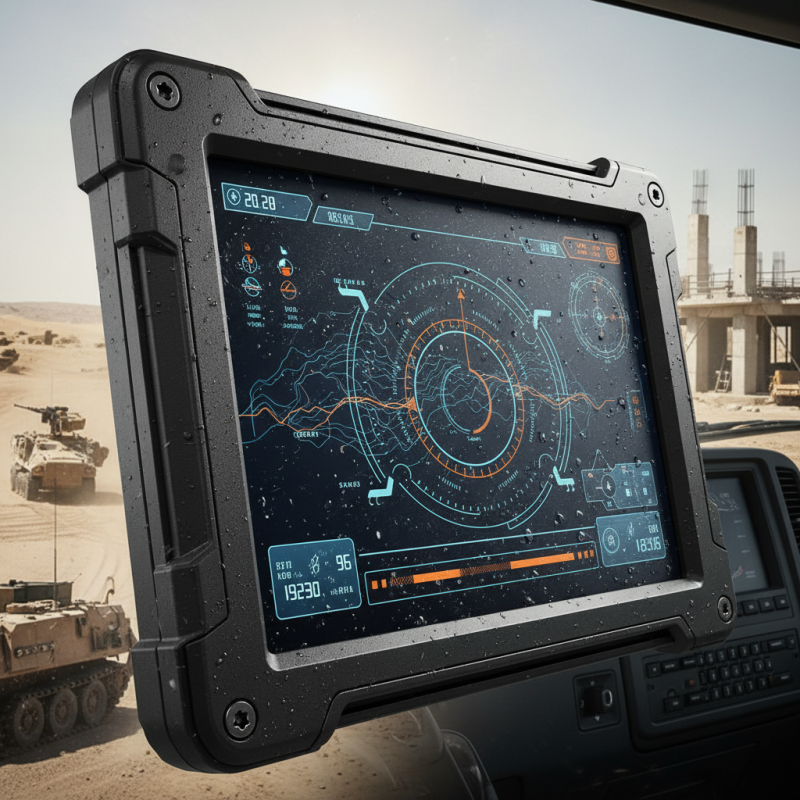
Understanding Rugged Displays: Definition and Purpose
Rugged displays are specialized devices designed to withstand harsh conditions. They are essential in industries like construction, manufacturing, and outdoor applications. These displays are built to resist elements like water, dust, and extreme temperatures. Understanding their purpose can help you choose wisely.
When selecting a rugged display, consider the environment it will operate in. Ask yourself questions like: Will it face direct sunlight? Is it exposed to vibrations or shocks? These factors determine the durability required. Always check the IP rating, which indicates dust and water resistance. For example, an IP67 rating means the device can handle immersion in water.
Tips for choosing: Look for displays with anti-glare technology if sunlight exposure is a concern. Touchscreen displays should be usable with gloves for added convenience. Evaluate the brightness levels, especially for outdoor use. A device with 1000 nits or more often ensures clear visibility. Remember, performance should not come at the expense of your budget. Balancing quality and cost is crucial for effective decision-making.
Take time to assess the features you genuinely need. Over-specifying can lead to wasted resources. Reflect on your experiences with past devices. This can guide you in selecting a rugged display that meets your practical needs, ensuring it performs reliably under pressure.
Key Features to Consider When Selecting a Rugged Display
When selecting a rugged display, focus on key features that fit your environment. Durability is essential. Look for displays that meet military standards. Check ratings for shock resistance and water resistance. This ensures the device withstands harsh conditions. Every environment presents risks. An unprotected screen may crack easily.
Consider the display technology. LCD and LED are common, but each has its pros and cons. Brightness matters too, especially outdoors. A higher nits rating means better visibility in sunlight. Touchscreen capability is valuable in many applications. Make sure it works well with gloves if necessary.
Weight and portability can also impact your choice. A heavy display might not suit mobile use. Battery life is critical for fieldwork. Long-lasting performance can prevent downtime. Reflection on your specific needs is vital. What works for one scenario may not work for another. Analyze the environment before making a decision. Use this knowledge to guide your selection process.
Comparison of Key Features in Rugged Displays
Assessing Environmental Conditions for Rugged Displays
When selecting a rugged display, assessing environmental conditions is crucial. These displays must withstand harsh climates and various physical challenges. According to industry reports, around 30% of displays fail due to environmental factors like extreme temperatures and moisture. Understanding your specific needs will prevent unexpected failures.
Humidity plays a vital role in display performance. Displays exposed to high moisture can develop fogging or corrosion. Look for IP ratings that suit your environment. For instance, an IP67 rating indicates resistance to dust and water immersion. This level of durability is essential for outdoor use.
Tips: Verify the operating temperature range. Choose a display that operates reliably between -20°C to 60°C. This ensures functionality in extreme heat and cold. Additionally, consider the impact resistance. Displays designed to meet MIL-STD-810G standards are more likely to endure shocks and vibrations typical in rugged environments.
Careful evaluation of these conditions can help you make an informed choice. Remember, even the best displays can falter if the wrong environment is assumed. Always factor in real-world usage to maximize performance.
Comparing Rugged Display Brands and Models
When selecting a rugged display, evaluating different brands and models is crucial. Many options vary widely in features and performance. Some displays excel in brightness, making them ideal for outdoor use. Others focus on durability and can withstand extreme temperatures. Each choice has trade-offs.
Consider aspects like resolution and touch sensitivity. Higher resolution can enhance clarity, especially in detailed applications. However, it may also increase power consumption. Touch sensitivity is vital for usability, but this feature can be less responsive in wet conditions. Look at user reviews to gauge how well certain models perform in real-world scenarios.
Another point of reflection is service and support. Some brands offer extensive warranties and customer service, while others may fall short. Reliability is essential, especially for mission-critical tasks. Customers often overlook this, leading to frustration later on. Researching genuine user experiences can help uncover hidden weaknesses in a model you're considering. Balancing these factors can lead you to the rugged display that best meets your needs.
Budgeting for Your Rugged Display Investment
When budgeting for your rugged display investment, clarity is essential. Start by assessing your specific needs. What environments will the display be used in? Whether it's for outdoor use, manufacturing, or military applications, the environment determines durability requirements. A professional assessment can save your organization from overspending or underestimating needs.
Next, consider the lifetime costs. While an initial low price may seem attractive, it might lead to higher maintenance costs later. Evaluate the warranty offers. A reliable product backed by a solid warranty can significantly enhance long-term value. Balance the feature set with your budget. Too many features may lead to unnecessary expenses. Sometimes, less is more.
Focus on choosing displays with essential functionalities. For example, look for resistance to extreme temperatures or water and dust protection. Sometimes, investing in specific technologies can yield better returns in terms of reliability. Reflections from experts suggest that overlooking the upfront investment can lead to regret later.
Take time to research thoroughly and consult industry experts for insights. A mindful approach makes all the difference.