How to Choose the Right Precision CNC Milling Services?
The precision CNC milling industry is constantly evolving, driven by advancements in technology and market demands. A recent report from Grand View Research indicates that the global CNC machining market is expected to reach $100 billion by 2025. This highlights the growing importance of choosing the right precision CNC milling services to ensure high-quality outputs.
Selecting a reliable CNC milling partner can be challenging. Factors such as material specifications, machine capabilities, and turnaround time must be evaluated. Research from Statista shows that 70% of manufacturers prioritize supplier reliability over cost. This prioritization emphasizes the need for expertise and proven track records in precision CNC milling.
It's essential to reflect on your specific requirements before making a decision. Misalignment in expectations can lead to costly errors. A service provider's experience and knowledge play a crucial role in achieving desired outcomes. Ensuring that they can handle precision tolerances and complex designs is vital for project success. Be proactive in assessing potential partners’ capabilities to avoid setbacks.
Understanding CNC Milling and Its Applications
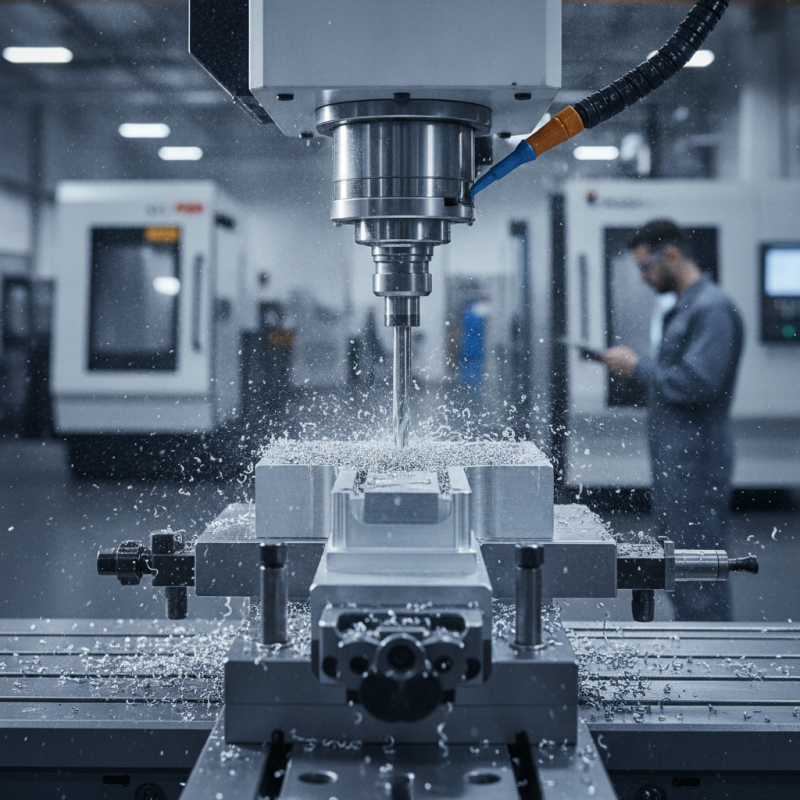
CNC milling is a vital process in modern manufacturing. It allows precision engineering for various applications, from aerospace to medical devices. This technology can create complex parts efficiently. In the aerospace sector, for instance, CNC milling is crucial for making lightweight components that meet stringent safety standards.
According to industry reports, the global CNC machining market is expected to reach $100 billion by 2025, driven by the growing demand for high-precision parts. In the automotive industry, CNC milling is used to produce intricate engine components. This ensures both performance and reliability. However, users must know the need for skilled operators. Misalignment in machining setups can lead to costly errors.
It's essential to assess milling services based on accuracy, material types, and turnaround time. Many companies still struggle with selecting the right service providers. Poor choices can compromise quality and lead to delays. Understanding the specific applications of CNC milling helps in making informed decisions. Effective communication with service providers is critical to avoid misunderstandings. This alignment ensures that manufacturers meet their project specifications and timelines.
Key Factors to Consider When Selecting CNC Milling Services
Choosing the right CNC milling services requires careful consideration of several key factors.
Precision is paramount. Ensure the service provider has advanced machinery capable of delivering high-quality outputs.
Look for detailed information about their equipment and past projects. Clear documentation of processes can indicate their commitment to quality.
Experience matters. A company with a robust portfolio is often more reliable. Investigate their experience in your industry to ensure they understand your specific needs.
Customer testimonials can offer insights into their reliability and the quality of their work. Don't hesitate to ask for references.
Tips: Always evaluate their responsiveness. A timely response can be a sign of good communication. Some companies may lack transparency, so clarify doubts early.
Lastly, compare quotes but don’t just choose based on price. Quality often comes at a cost. Focus on obtaining the best value for your investment rather than the lowest price.
Evaluating Precision and Quality Standards in CNC Machining
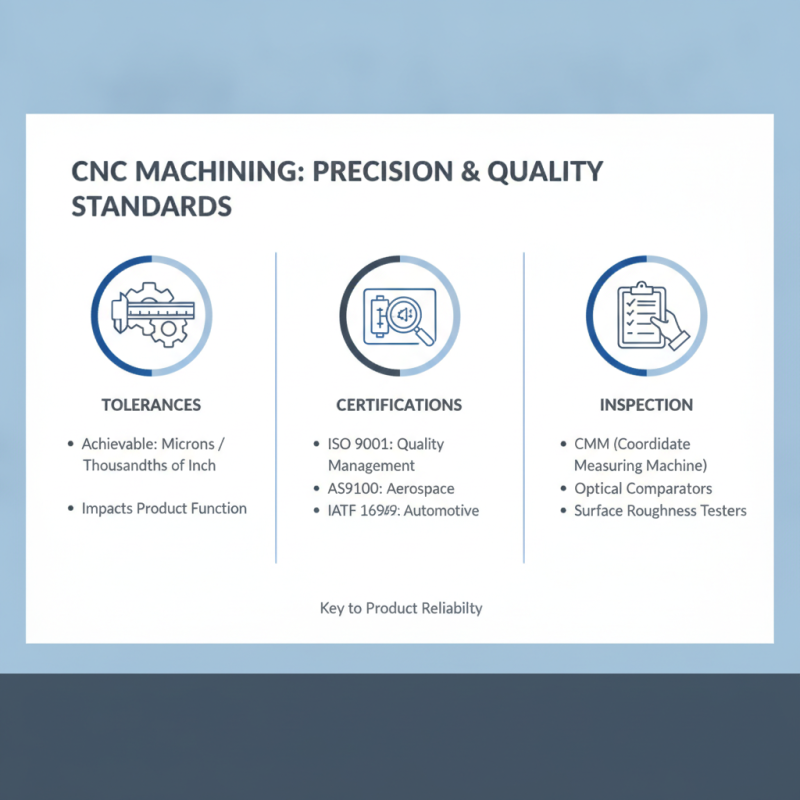
When selecting precision CNC milling services, evaluating precision and quality standards is crucial. First, consider the tolerances they can achieve. A reliable service should meet specific tolerances, often described in microns or thousandths of an inch. This precision impacts the final product's functionality.
Quality assurance processes also play a vital role. Is there a documented procedure for inspection? Look for services that use advanced measuring systems. These systems can verify dimensions, ensuring components meet design specifications. Do they adhere to established industry standards, like ISO certifications? This indicates a commitment to maintaining high-quality performance.
It’s wise to ask about the materials they work with. Understanding their expertise in various materials helps gauge their capabilities. Moreover, don’t hesitate to inquire about previous projects. Reflecting on case studies can reveal their experience with similar components. Consider whether they provide transparent communication throughout the project, as this can be as critical as the quality of machining.
Assessing Cost and Budget Constraints for CNC Milling Projects
When assessing the cost of CNC milling services, it’s crucial to understand various factors that affect pricing. A 2022 industry report indicated that labor costs account for about 32% of the total CNC milling expenses. Skilled machinists are essential for high precision work and come at a premium price. Evaluating your project's complexity can help you budget effectively. Complex designs or materials may drive up costs significantly.
Material choice is another critical factor. Certain materials, like titanium, might increase production costs by up to 50% compared to standard metals. On average, CNC milling services range from $40 to $150 per hour, depending on the intricacies involved. Evaluating your material and labor costs can help you avoid overspending. It’s crucial to get multiple quotes to compare service offerings.
Lastly, don’t overlook hidden costs. These can include setup fees and tooling costs, which can add up quickly. A comprehensive understanding of potential additional expenses can prevent unexpected budget overruns. Tracking these elements may also shed light on areas needing adjustments for future projects. Adjusting your expectations based on these factors can lead to better outcomes.
Reviewing Customer Feedback and Supplier Reputation in CNC Services
When choosing CNC milling services, customer feedback is invaluable. Positive reviews can indicate reliability and quality. Look for comments that mention precision and attention to detail. Specific examples can reveal how a supplier handles challenges. It’s essential to read past client experiences to gauge their reliability.
Supplier reputation plays a crucial role as well. Investigate the company’s history in the industry. How long have they been operating? A longer track record often suggests stability. Consider their affiliations or certifications, which can indicate their commitment to quality. However, don't overlook negative feedback. It can provide insight into potential shortcomings.
Stay alert for patterns in reviews. Consistent praise or criticism can offer an accurate perspective. Analyze how they respond to feedback, too. A professional response often indicates a commitment to customer satisfaction. Remember, the goal is to find a service that matches your precision needs with a trustworthy provider. Quality CNC milling can significantly impact your project’s success.