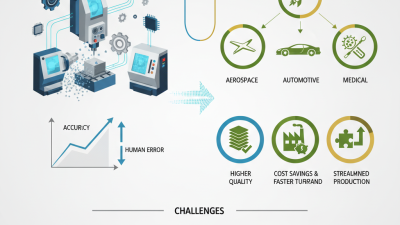
Why Choose CNC Aluminum Machining for Your Manufacturing Needs?
In today's manufacturing landscape, CNC aluminum machining is increasingly popular. According to industry expert John Smith, "CNC aluminum machining offers precision and efficiency unattainable by traditional methods." This statement reflects the growing reliance on CNC technologies. Aluminum is versatile and lightweight, making it ideal for various applications.
CNC aluminum machining allows for intricate designs and high tolerances. This precision is crucial in sectors like aerospace and automotive. Companies can reduce waste, speed up production, and improve product quality. However, transitioning to CNC machining isn't without challenges. Initial costs can be high, and skilled operators are essential for optimal results.
Evaluating the benefits against the limitations of CNC aluminum machining is vital. While the technology promises efficiency, businesses must invest in training and equipment. This balance between opportunity and risk is key in making informed decisions.
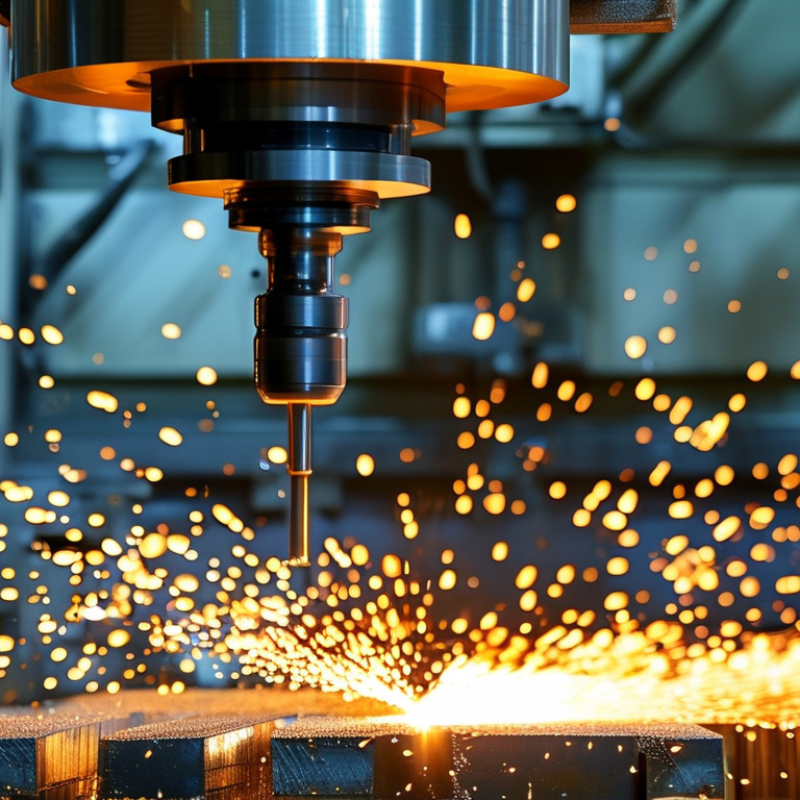
Benefits of CNC Aluminum Machining in Manufacturing
CNC aluminum machining stands out in manufacturing due to its precision and versatility. The ability to create intricate designs with tight tolerances enhances efficiency in production. This technology allows for rapid prototyping, which accelerates the development cycle of new products. By using aluminum, manufacturers benefit from its lightweight nature and strength.
One should consider the specific requirements of each project. Different grades of aluminum can affect durability and cost. Always evaluate the material properties needed for your application. This step can save time and resources. Ensure your design is optimized for CNC processes; it significantly impacts the final product quality.
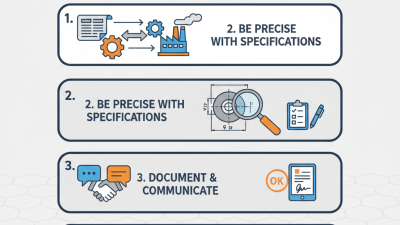
Tips: Regularly review your machining processes. Small adjustments can lead to improved accuracy and efficiency. Engage with your machining team for insights. They can offer valuable feedback on design improvements. Embrace continuous learning to refine your approach to CNC machining.
Precision and Accuracy in CNC Aluminum Machining
CNC aluminum machining stands out for its precision and accuracy. This technology uses computer numerical control to guide machines in shaping aluminum parts.
According to a report by the National Institute of Standards and Technology (NIST), CNC machining can achieve tolerances as tight as ±0.005 inches in complex geometries.
This level of precision is critical in industries like aerospace and automotive, where minor deviations can lead to significant failures.
The reliability of CNC aluminum machining lies in its ability to reproduce parts consistently. A study by the Society of Manufacturing Engineers (SME) indicates that automated CNC processes reduce human error,
which can account for up to 20% of production flaws in manual machining. Moreover, CNC technology can handle intricate designs that are challenging for traditional machining,
such as complex contours and tight radii.
Despite its advantages, there are challenges in achieving consistent precision. Factors like tool wear and material variations can affect results.
Regular maintenance and calibration of CNC machines are essential to mitigate these issues. Industry experts advise implementing strict quality control measures to manage these variables effectively.
Continuous monitoring can enhance the machining process, ensuring that the desired accuracy is consistently attained.
Cost-Effectiveness of CNC Aluminum Machining Solutions
CNC aluminum machining is increasingly favored in various industries. Its cost-effectiveness stands out during the manufacturing process. This technique allows for precise shaping and cutting of aluminum, minimizing waste and maximizing efficiency. Companies can save significantly while producing high-quality parts.
The reliability of CNC aluminum machining lies in its ability to deliver consistent results. This process reduces human errors and ensures uniformity in production. Companies can expect a shorter lead time for their projects, which often translates to lower costs. However, it requires skilled operators who understand the intricacies of CNC technology. Improper handling can lead to complications.
Investing in CNC aluminum machining may reveal some challenges. Initial equipment costs can be high, and maintenance is essential for optimal performance. Companies must weigh these factors against the long-term savings. In the end, many find that the benefits of efficiency and precision outweigh potential drawbacks. This is an important point to reflect on for any manufacturer considering this technology.
Applications of CNC Aluminum Machining Across Industries
CNC aluminum machining has gained traction across various industries. Its precision and adaptability make it invaluable. Manufacturers in aerospace rely on it for lightweight yet robust components. In fact, the global aerospace aluminum market is projected to reach $34.8 billion by 2025, according to a recent report by Grand View Research. This underscores the importance of aluminum in high-performance applications.
The automotive sector also embraces CNC aluminum machining. This process contributes to the production of intricate parts that reduce vehicle weight and enhance fuel efficiency. A study by the Aluminum Association showed that aluminum could help reduce vehicle weights by up to 50%. Such reductions translate to improved performance and lower emissions, making aluminum a key material in sustainable manufacturing.
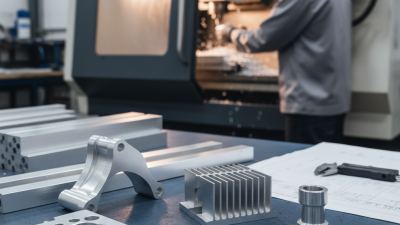
CNC aluminum machining is used for enclosures and heat sinks in the electronics industry. The thermal conductivity of aluminum is vital for managing heat in electronic devices. A recent TechInsights report highlighted that companies investing in aluminum components could lower production costs by 30%. However, manufacturers must carefully consider design complexities. Balancing precision with cost-efficiency is an ongoing challenge in CNC machining.
Comparing CNC Aluminum Machining to Other Machining Methods
CNC aluminum machining offers distinct advantages over traditional machining methods. Unlike manual techniques, CNC processes employ precision machinery that follows computer-generated designs meticulously. This results in higher accuracy and repeatability, making it a preferred choice in industries requiring exact specifications. The power of CNC technology allows manufacturers to create complex geometries that manual methods often struggle to achieve.
However, it’s worth considering the cost implications. CNC aluminum machining can be more expensive initially, especially for low-volume production. The setup time and software requirements add to these costs. Manufacturers must weigh these upfront costs against long-term benefits like reduced waste and quicker turnaround times.
Tips: When choosing CNC aluminum machining, assess your project requirements carefully. Not every design needs extreme precision, and simpler processes may suffice. Additionally, work with a skilled machinist who can guide you on the most cost-effective options for your specifications. Engaging in a dialogue with your manufacturer about material selections can lead to savings without sacrificing quality.
Why Choose CNC Aluminum Machining for Your Manufacturing Needs?
This chart compares CNC Aluminum Machining with other machining methods based on cost efficiency and production speed. CNC Aluminum Machining is highlighted for its balance between affordability and speed, making it a favorable choice for many manufacturing needs.