What is CNC Machining and Manufacturing Explained?
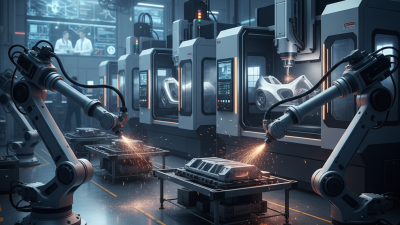
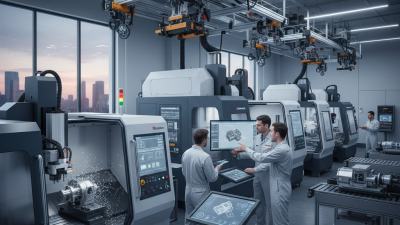
CNC machining and manufacturing play a vital role in modern industries. This technology enables precise and efficient production of intricate parts. With Computer Numerical Control, machines operate with incredible accuracy.
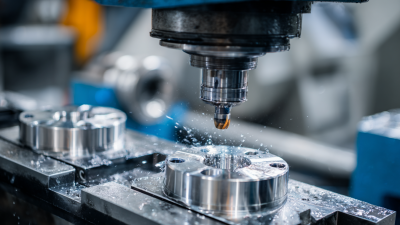
CNC machining involves various processes, such as milling, turning, and drilling. Each method serves unique purposes, shaping materials like metal and plastic. Many businesses rely on these processes for their production needs. However, some may overlook the complexity involved.
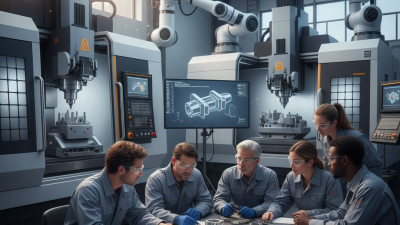
Understanding CNC machining and manufacturing is essential for any company aiming for success. It allows for customization and scalability in production. Yet, there are challenges in maintaining quality and consistency. Reflecting on these issues can lead to improvements. Embracing both the benefits and limitations of this technology is crucial for innovation.
What is CNC Machining?
CNC machining stands for Computer Numerical Control machining. It is a process used in manufacturing that automates control of machine tools. This technology enables precise and efficient production of complex parts. According to industry reports, the global CNC machining market is expected to reach $100 billion by 2026. This growth highlights its importance across sectors, from aerospace to medical devices.
The CNC process starts with a computer-aided design (CAD) model. The CAD file is converted into a CNC program, which guides the machine throughout the manufacturing process. This ensures high accuracy and minimizes human error. It's crucial to remember that imperfections can still arise. Operators must be vigilant in monitoring machine performance to avoid flaws.
Tips: Always double-check the CAD file compatibility. Minor discrepancies can lead to major production errors. Regularly update your software to improve functionality. Stay informed about the latest machining technologies to enhance production efficiency and quality. Understanding the limitations of CNC machining helps in setting realistic expectations. The balance between automation and manual oversight is vital in achieving the best results.
The History and Evolution of CNC Manufacturing
CNC machining has transformed manufacturing since its inception in the late 1940s. The concept began with punched tape control systems, primarily used in the aerospace sector. By the 1960s, numerical control (NC) machines became more sophisticated, allowing for greater automation and precision. According to a 2021 report by Market Research Future, the global CNC machine market was valued at over $70 billion. This highlights the significance of CNC in modern manufacturing.
Over the years, advancements in technology have accelerated the evolution of CNC machining. The introduction of computer numerical control (CNC) made it possible to program machines with higher accuracy. Now, manufacturers can produce complex parts with minimal human intervention. Yet, as technology advances, some issues persist. For instance, programming errors can lead to costly mistakes, resulting in wasted materials and time. In 2020, about 23% of manufacturers noted programming inaccuracies as a critical challenge in CNC operations, according to a survey by the National Association of Manufacturers.
Moreover, the shift towards automation has sparked debates about skilled labor shortages. While CNC machines enhance efficiency, they require skilled operators who understand both programming and machine mechanics. A 2022 report indicated that 70% of manufacturers struggle to find qualified workers. The reliance on technology raises questions about the future workforce in CNC machining. Balancing automation and human expertise remains a critical consideration for industry growth.
Key Components and Tools Used in CNC Machining
CNC machining relies on precise tools and components. At the heart of this process is the CNC machine itself. It automates machining tasks, enhancing efficiency. These machines can be programmed to cut, mill, and drill materials like metal and plastic. Operators need skills to set up machines correctly. Troubles can arise if the setup is wrong. Errors can create waste and delays.
Key tools in CNC machining include cutting tools, such as end mills and drills. These tools shape materials with precision. Additionally, toolholders keep tools stable during operation. An unreliable toolholder can lead to inconsistent results. That’s a critical point to check before running a job. Other components, like coolant systems, help manage heat during machining.
CNC programming software plays a big role, too. It translates designs into machine movements. Ensuring the design files are compatible is vital. A file error can halt production. Operators need to review files carefully. The blend of all these components makes CNC machining powerful, yet it requires attention to detail.
The CNC Machining Process: Step-by-Step Overview
CNC machining is a precise manufacturing process. It involves computer-controlled tools to create intricate parts. The CNC machining process begins with CAD design. Engineers create a 3D model of the part. This model guides the CNC machine during the cutting process.
Next, the machine is set up. Workpieces are clamped firmly in place. Then, the CNC machine follows the design step by step. It uses various tools to cut, drill, and mill. This stage requires careful monitoring for accuracy. Mistakes can lead to material waste and additional costs.
After machining, parts are inspected. Quality control checks are crucial. They ensure that dimensions and tolerances are met. However, humans may overlook minor flaws. This flaw can affect the final product's performance. Continuous improvement in CNC processes is necessary. Each project offers lessons for future enhancements. Understanding these details can elevate the quality of machining.
Applications and Industries Utilizing CNC Machining
CNC machining is a game-changer in various industries. Its precision and efficiency have made it a preferred choice in sectors like aerospace, automotive, and healthcare. According to a report by Global Industry Analysts, the CNC machining market is expected to reach $100 billion by 2025. This growth highlights its essential role in modern manufacturing.
In aerospace, CNC machining creates complex components that meet strict safety standards. Parts like turbine blades and fuselages are often crafted this way. Automotive manufacturing also relies on CNC for producing engine blocks and gear housings. The healthcare industry utilizes CNC for creating surgical instruments and implants, ensuring high levels of accuracy.
**Tip:** Consider investing in skilled operators. Their expertise can significantly enhance the quality of the output. However, not every shop may have access to specialized training, which can be a setback.
It's important to note the limitations as well. While CNC machining provides great accuracy, it can be expensive. Initial setup costs can deter small businesses. Moreover, relying solely on CNC can result in a lack of adaptability for custom projects.
**Tip:** Regularly evaluate your machining processes. This can help identify inefficiencies and save costs in the long run. A balanced approach is key to maximizing the benefits of CNC technology.
What is CNC Machining and Manufacturing Explained? - Applications and Industries Utilizing CNC Machining
| Application |
Industry |
Materials Used |
Typical Tolerances |
| Prototyping |
Aerospace |
Aluminum, Titanium |
±0.01 mm |
| Custom Parts |
Automotive |
Steel, Plastic |
±0.05 mm |
| Tooling |
Manufacturing |
Tool Steel, Carbide |
±0.02 mm |
| End-Use Production |
Electronics |
Copper, FR4 |
±0.1 mm |
| Medical Devices |
Healthcare |
Titanium, Medical-grade Plastics |
±0.01 mm |