What is CNC Manufacturing and How Does it Impact Modern Production
CNC manufacturing, or Computer Numerical Control manufacturing, has revolutionized the landscape of modern production processes. This advanced technology utilizes computer software to control machine tools, enabling high precision, efficiency, and flexibility in the manufacturing of a wide range of products. As industries increasingly embrace automation and seek to enhance their operational capabilities, CNC manufacturing has emerged as a cornerstone of contemporary manufacturing practices.
The impact of CNC manufacturing extends beyond mere efficiency; it fundamentally alters design and production methodologies. With the ability to produce complex geometries and intricate designs that were once too difficult or costly to achieve, CNC manufacturing opens new avenues for innovation. Additionally, the consistency and repeatability it offers significantly reduce the risk of human error, ensuring that products meet stringent quality standards. As we delve deeper into the realms of CNC manufacturing, we will explore its various applications, innovations, and the transformative effect it has on sectors ranging from automotive to aerospace, portraying a clear picture of its pivotal role in shaping the future of manufacturing.
What is CNC Manufacturing?
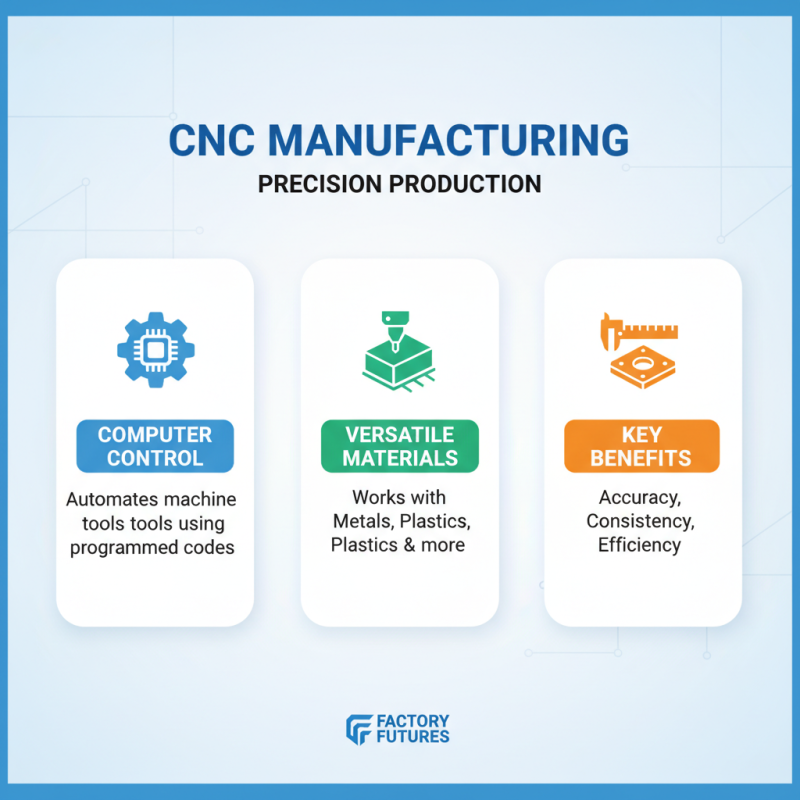
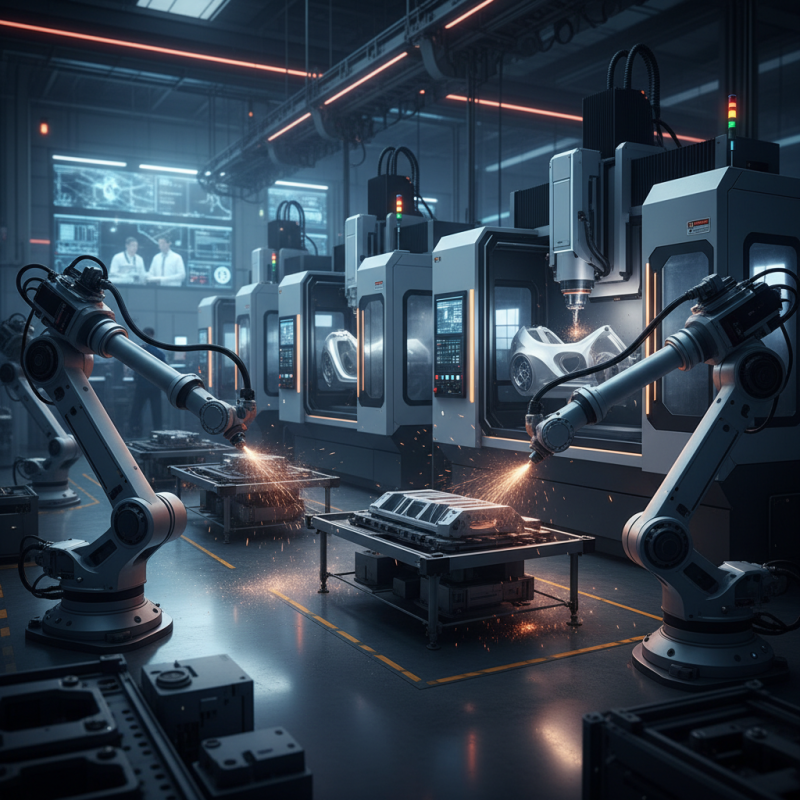
CNC manufacturing, or Computer Numerical Control manufacturing, is a process that utilizes computer systems to control machine tools. This technology allows for the precise production of parts and components from various materials, including metals and plastics. By programming the machines with specific codes, manufacturers can automate complex tasks that would be difficult or impossible to achieve with manual operation. This results in improved accuracy, consistency, and efficiency in the production process.
One of the key advantages of CNC manufacturing is its ability to produce intricate designs with remarkable precision. Unlike traditional methods, CNC machining reduces the risk of human error and allows for higher repeatability in part production. Additionally, CNC machines can operate continuously, significantly increasing production rates and reducing lead times. The flexibility of CNC technology enables manufacturers to easily switch between different tasks and adapt to changing production needs, making it an essential component of modern manufacturing strategies.
The Basics of CNC Machinery and Technology
CNC (Computer Numerical Control) technology has revolutionized the landscape of modern manufacturing by offering precision and efficiency in the production process. At its core, CNC machinery utilizes computer systems to control the movement of tools and machinery, enabling high levels of accuracy and repeatability that manual machining simply cannot achieve. According to a report by Grand View Research, the global CNC machine market size was valued at approximately $60 billion in 2021 and is expected to expand at a compound annual growth rate (CAGR) of 5.4% from 2022 to 2030, highlighting the growing importance of CNC technology in various industries.
The fundamental components of CNC machinery include a computer interface, motors, and various machine tools such as lathes, mills, and routers. These systems convert digital models into physical products, which significantly decreases production times and allows for more complex designs that would be labor-intensive and impractical with traditional manufacturing methods. A study conducted by the International Federation of Robotics indicated that the integration of CNC machines has led to a 30-40% increase in productivity and a substantial reduction in waste, making it a cornerstone for manufacturers aiming to optimize operations and reduce costs in an increasingly competitive market.
Impact of CNC Manufacturing on Modern Production
Key Advantages of CNC Manufacturing in Modern Production
CNC manufacturing, or Computer Numerical Control manufacturing, has transformed modern production processes by enhancing precision and efficiency. One of the key advantages of CNC manufacturing is its ability to produce highly intricate and consistent parts. Unlike traditional machining methods, CNC machines operate based on computer-aided designs, ensuring that each piece is manufactured with remarkable accuracy. This high level of precision reduces material waste and allows for tighter tolerances, which is essential in industries where exact specifications are crucial.
Another significant benefit of CNC manufacturing is the increase in production speed. CNC machines can operate continuously with minimal downtime, allowing manufacturers to meet high demand with efficiency. The automation of production processes means that human intervention is reduced, resulting in quicker turnaround times. Additionally, the ability to quickly switch between designs or adapt to new production requirements makes CNC manufacturing versatile, catering to a wide range of industries. This flexibility not only optimizes the workflow but also paves the way for innovative manufacturing solutions in an ever-evolving market.
Applications of CNC Manufacturing Across Different Industries
CNC manufacturing, or computer numerical control manufacturing, has revolutionized the production landscape across various industries. Its precision and efficiency make it an ideal choice for sectors such as automotive, aerospace, and medical devices. In the automotive industry, CNC machining enables the creation of intricate parts with tight tolerances, essential for vehicle performance and safety. Likewise, the aerospace sector benefits from CNC manufacturing by producing lightweight components that enhance fuel efficiency and reduce costs.
In the medical field, CNC technology is critical for producing complex surgical instruments and implants tailored to specific patient needs. The customization capabilities of CNC equipment allow for a high degree of personalization essential for effective medical solutions. Moreover, the use of CNC in plastics and electronics ensures that even the tiniest parts are manufactured with meticulous accuracy, highlighting its versatility across various applications.
Tips: When considering CNC manufacturing for your projects, be sure to communicate clearly about your design specifications to the manufacturer. This clarity will help in reducing revisions and lead times. Additionally, investing time in the initial design phase can lead to significant cost savings in the long run, ensuring that your product is produced efficiently and meets quality standards.
What is CNC Manufacturing and How Does it Impact Modern Production - Applications of CNC Manufacturing Across Different Industries
| Industry |
CNC Application |
Benefits |
Common Materials |
| Aerospace |
Part production and tooling |
High precision and reduced waste |
Aluminum, titanium, composite materials |
| Automotive |
Engine components and assembly fixtures |
Increased manufacturing speed and flexibility |
Steel, aluminum, plastic |
| Medical |
Surgical instruments and implants |
Enhanced accuracy and customization |
Stainless steel, titanium, polymers |
| Consumer Electronics |
Enclosures and internal components |
Cost-effective mass production |
Plastic, aluminum, copper |
| Construction |
Prefabricated parts and molds |
Improved project timelines |
Wood, metal, concrete |
Future Trends and Innovations in CNC Manufacturing
CNC (Computer Numerical Control) manufacturing is experiencing a transformation driven by innovative technologies that enhance efficiency, precision, and capabilities. As the industry evolves, several future trends are shaping the landscape of CNC machine operations. One notable advancement is the growing integration of artificial intelligence and machine learning into CNC systems. These technologies allow machines to optimize processes in real-time, significantly reducing downtime and increasing production rates. Reports indicate that AI-driven CNC machines could improve manufacturing efficiency by up to 30% by 2025.
Another trend is the rise of additive manufacturing in conjunction with CNC machining. As the industry seeks to eliminate waste and improve sustainability, hybrid machines capable of both CNC cutting and 3D printing are becoming more prevalent. Data suggests that the global hybrid manufacturing market is expected to reach $2 billion by 2027, highlighting the increased demand for versatile production methods that enhance resource efficiency.
Tips: To stay ahead in the evolving CNC landscape, businesses should consider investing in training programs for their workforce, focusing on both the technological aspects and the integration of new methods. Additionally, staying informed about the latest CNC innovations through industry reports and workshops can provide valuable insights that drive competitive advantage. As manufacturers embrace these innovations, they must also prioritize safety and compliance to ensure sustainable growth.