What is CNC Precision Machining and How Does it Benefit Industries?
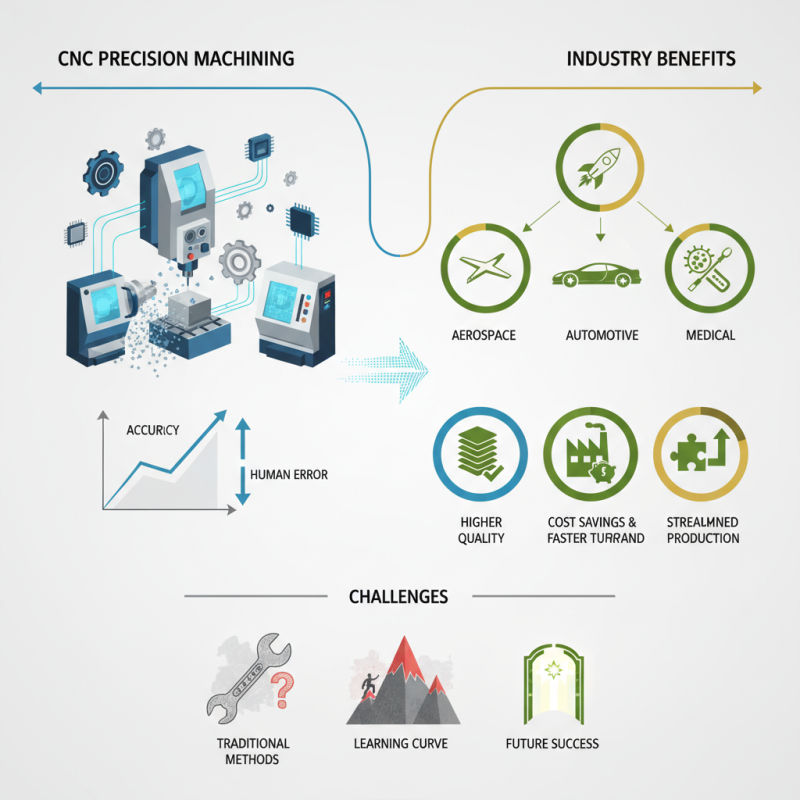
CNC precision machining is revolutionizing the manufacturing landscape. This process utilizes advanced computer-controlled tools to create intricate parts. Industries like aerospace, automotive, and medical greatly benefit from its precision.
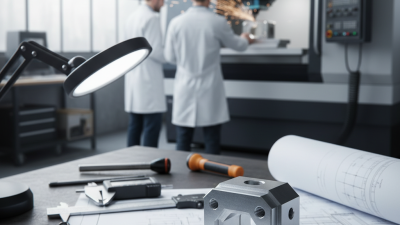
The accuracy of CNC precision machining decreases human error. This leads to higher quality products with consistent specifications. Companies can streamline their production, resulting in cost savings and faster turnaround times. However, challenges exist. Not all manufacturers invest in the latest technology.
Some may still rely on traditional methods, which can hinder competitiveness. The learning curve associated with CNC machines can also be steep. As industries evolve, embracing CNC precision machining will be crucial for success. Yet, companies must address these obstacles thoughtfully.
What is CNC Precision Machining?
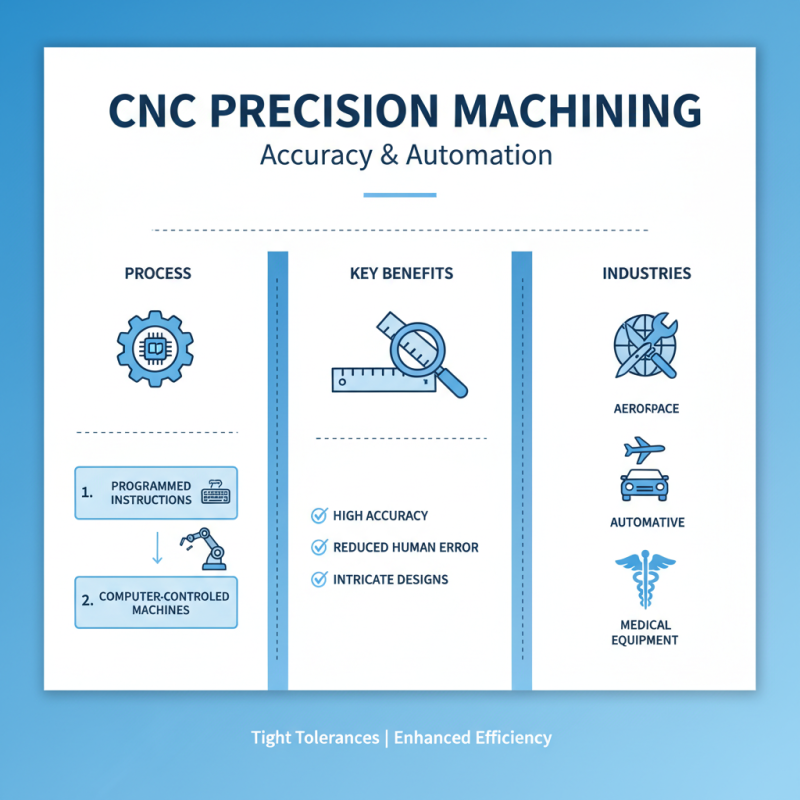
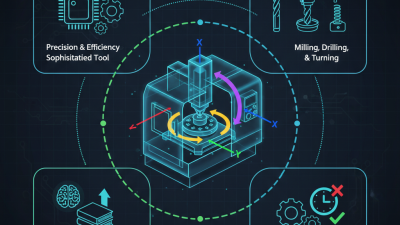
CNC precision machining is a manufacturing process that uses computer-controlled machines to create high-accuracy parts. The cornerstone of this process is automation, which significantly enhances precision and reduces human error. By following programmed instructions, CNC machines can produce intricate designs with tight tolerances. This capability is essential in industries like aerospace, automotive, and medical equipment.
Tips: Ensure you regularly calibrate your CNC machine. Calibration affects precision significantly. Skipping this step can lead to defects in your components.
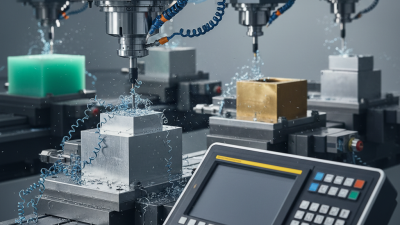
The materials used in CNC machining can vary. Common options include metals, plastics, and composites. Each material requires specific cutting tools and settings. This variability means companies must adapt their processes to suit different projects. However, mistakes can happen during setup, leading to wasted materials and time. It’s crucial to analyze any errors in production for future improvement.
Tips: Always document your machining process. This documentation can help identify issues. Learning from mistakes is key to success in CNC machining.
How CNC Machining Works: The Process Explained
CNC precision machining is a process that shapes materials with high accuracy. The term "CNC" stands for Computer Numerical Control. This method uses precise programming to control machinery. The result is parts with high precision and repeatability. According to industry reports, the CNC machining market is projected to reach $100 billion by 2026, reflecting its growing importance.
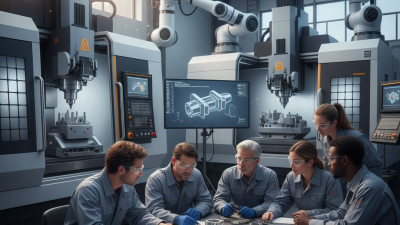
The CNC machining process begins with computer designs. Engineers create detailed 3D models using CAD software. Once the design is ready, the CNC machine reads the code. It then uses cutting tools to shape the material into the desired part. This process minimizes waste and optimizes efficiency. However, not all designs translate perfectly to production. Sometimes, minor adjustments are required on the fly.
Despite its advantages, CNC machining can present challenges. Programmers must ensure the code is correct. Errors can lead to costly mistakes and delays. Manufacturers often face a learning curve. Training staff to operate advanced machines takes time and resources. Balancing efficiency and quality remains a key concern. As industries evolve, these challenges require constant reflection and adaptation.
CNC Precision Machining Benefits Across Industries
Key Technologies Used in CNC Precision Machining
CNC precision machining employs advanced technologies to create high-quality components with intricate designs. One key technology is Computer Numerical Control (CNC) itself. This uses a computer to guide machines in cutting materials accurately. It eliminates human error, achieving precise dimensions that manual methods cannot match.
Another important aspect is the use of different machining processes. These include milling, turning, and grinding. Each method has specific applications and advantages. For instance, milling can create complex shapes, while turning is ideal for cylindrical parts. Understanding these processes helps industries choose the right technique for their needs.
Tips: Consider the material you are working with. Some materials require specific machining techniques. Do your research! Also, recognize the limitations of each technology. CNC is precise, but it can be costly for small production runs. Reflecting on these factors will lead to better decisions in production.
Advantages of CNC Machining in Various Industries
CNC precision machining has revolutionized multiple industries. It offers significant advantages that enhance efficiency and productivity. Manufacturers can achieve tighter tolerances and reduce production time. A report by the International Federation of Robotics highlights that CNC machining enables a 30% increase in production speed. This efficiency translates to substantial cost savings.
In aerospace, CNC machining handles intricate parts with precision. The American Society of Mechanical Engineers states that reducing weight in aircraft components can improve fuel efficiency by up to 15%. However, the technology requires regular maintenance and skilled operators. This dependency can lead to operational challenges if personnel are unavailable.
The automotive sector also benefits greatly. With CNC machining, manufacturers produce complex shapes that meet strict safety regulations. Still, the reliance on advanced machinery can pose risks. A brief machine downtime can halt production, leading to delays. Continuous investment in training and technology is crucial.
Applications of CNC Precision Machining Across Sectors
CNC precision machining plays a vital role across various industries. Its applications are broad, affecting sectors like aerospace, medical, automotive, and electronics. According to recent industry reports, over 25% of all CNC machining is utilized in the aerospace sector alone. Precision and reliability are crucial in this area, as even minor errors can lead to significant safety issues.
In the automotive industry, CNC machining is equally crucial. Manufacturers use this technology to produce complex parts that meet strict tolerances. A study highlighted that approximately 70% of automotive components are machined using CNC methods. This precision translates to improved vehicle performance and safety. However, the reliance on automation can lead to challenges, such as a lack of skilled operators who can oversee the machines effectively.
The medical field also benefits greatly from CNC precision machining. Devices like surgical instruments and implants require exceptional precision. Reports indicate that CNC processes can reduce production waste by up to 40%. This highlights the method's efficiency. Yet, there is a concern regarding the potential for equipment failure. Regular maintenance is key, but not all facilities prioritize it.