Top Tips for Efficient Aluminum Machining Processes?
In the world of aluminum machining, efficiency is key. Industry expert John Smith, a renowned machining engineer, once stated, “Efficiency in aluminum machining directly impacts overall production costs.” This sentiment captures the essence of why optimizing these processes is critical for manufacturers.
Aluminum machining offers unique challenges. The material's lightweight and malleability can lead to issues like burr formation and tolerances that are hard to maintain. Effective strategies can help mitigate these problems. Choosing the right cutting tools is essential. The wrong tool leads to increased wear and inefficiency, resulting in potential delays.
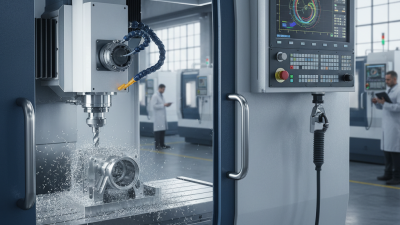
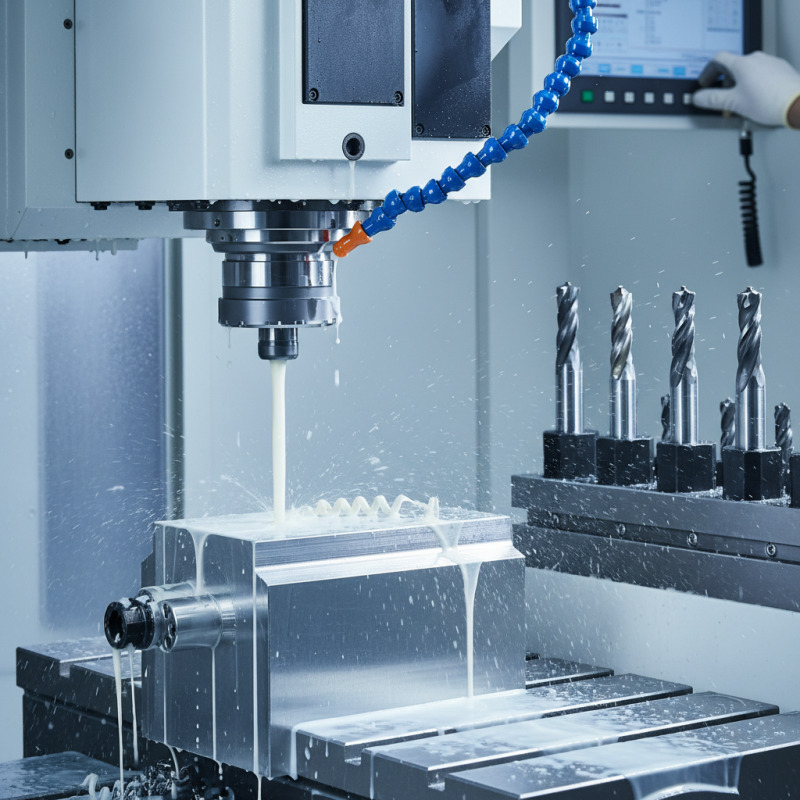
Proper coolant use also plays an integral role in aluminum machining. It improves surface finish and extends tool life. However, too much coolant can cause unnecessary waste and lead to a messy workspace. Continuous reflection on methods and practices in aluminum machining can foster improvements. Rather than sticking to outdated techniques, embracing innovation can yield significant benefits.
Understanding Aluminum Properties for Machining Efficiency
Understanding aluminum's properties is crucial for efficient machining. Aluminum is lightweight yet strong, making it a popular choice in various industries. Its thermal conductivity is high, which helps in dissipating heat during machining processes. This is vital for maintaining tool lifespan and ensuring precision.
However, aluminum can be tricky to machine. It tends to stick to cutting tools, leading to built-up edges. This issue can result in poor surface finish and dimensional inaccuracies. Machinists often experiment with different speeds and feeds to counteract these challenges. Finding the right balance is key and may take time.
The surface finish of aluminum is another aspect to consider. A smooth surface can enhance the aesthetic appeal and reduce friction. Using the correct cutting fluids can improve both the finish and the tool's life. Machinists should always observe how different inputs affect the outcomes. Reflecting on these variables can lead to improved machining practices over time.
Selecting the Right Tools and Equipment for Aluminum Machining
When choosing tools and equipment for aluminum machining, precision is crucial. Select cutting tools with a sharp edge to minimize burr formation. High-speed steel (HSS) and carbide tools are commonly preferred. They offer durability and performance. Coated tools can enhance longevity and cutting efficiency.
Tool geometry plays a vital role too. A positive rake angle can reduce cutting forces, leading to cleaner cuts. Consider using tooling with specialized features. These may include chip breakers designed for aluminum’s soft properties. Proper machine setup ensures optimal performance, reducing wear on tools.
Another aspect to consider is the coolant used during machining. It can significantly impact tool life and surface finish. Regularly revising tool choices based on performance feedback is essential. Some setups may require adjustments over time. Failing to adapt can lead to inefficiencies. Evaluate your processes continuously to ensure you are utilizing the most effective tools and techniques.
Implementing Effective Cooling and Lubrication Techniques
Effective cooling and lubrication techniques are vital for aluminum machining.
High cutting temperatures can lead to part distortion and tool wear.
According to recent studies, over 60% of machining failures can be attributed to inadequate cooling.
Implementing proper cooling methods can reduce these risks significantly.
Using a mix of coolant types can yield better results.
Water-based coolants often provide good cooling but may lack lubrication properties.
Meanwhile, oil-based lubricants can improve tool life by reducing friction.
A blend of the two might strike the perfect balance. Reported data suggests that efficient cooling can enhance tool life by up to 50%.
Maintaining the right temperature is crucial. Typically, aluminum should be machined at temperatures between 120°F to 160°F.
Exceeding these temperatures can compromise the integrity of the workpiece.
Operators should monitor conditions closely. Regular adjustments based on the type of machining operation are essential for optimal performance.
Overall, the cooling system should be reviewed regularly for effectiveness.
Maintaining Quality Control in Aluminum Machining Processes
Maintaining quality control in aluminum machining processes is crucial for ensuring precision and efficiency. According to studies, up to 30% of machining costs stem from quality-related issues. This underscores the importance of implementing rigorous quality management practices. Continuous monitoring of machining parameters can help identify potential defects early. For instance, maintaining tight tolerances often reduces waste and rework.
Effective quality control begins with selecting the right tools. A recent report indicated that using high-performance cutting tools can lead to a 25% reduction in defects. However, not every tool works for every job. Machinists must analyze specific project requirements to make informed decisions about tool choices. Frequent training sessions can also enhance worker expertise, ensuring they recognize quality standards.
Regular audits of machining processes can uncover areas for improvement. While many shops may rely on automated systems, human oversight remains essential. Data shows that 15% of machining errors can be linked to operator oversight. This highlights the need for a blend of technology and skilled craftsmanship. Exploring these dimensions can improve quality and delivery times in aluminum machining.