post thumbnail
Our pricing model is flexibly designed to give you the most possible advantages of a continuing partnership.

10 Essential Tips for Achieving High Precision Machining Success

In the competitive landscape of manufacturing, achieving success in high precision machining has become a crucial benchmark for companies aiming to deliver superior products. As industry expert Dr. Emily Carter, a renowned authority in machining technology, aptly stated, "Precision is not just a goal; it's a necessity in our field." Her insights underline the importance of rigorous standards and continuous improvement in processes that define high precision machining.

With advancements in technology and an increasing demand for intricate component parts, the focus on high precision machining has never been more significant. Companies must adopt best practices to enhance accuracy and reduce waste, ensuring that they meet stringent quality requirements. The journey towards exceptional precision involves a multifaceted approach, including investing in cutting-edge machinery, honing skilled craftsmanship, and implementing effective quality control measures.

This article presents 10 essential tips for achieving high precision machining success, drawing on the collective knowledge of experts in the field. By adhering to these guidelines, manufacturers can not only elevate their operational capabilities but also establish a competitive advantage in an ever-evolving market.

10 Essential Tips for Achieving High Precision Machining Success

Understanding the Basics of High Precision Machining Techniques
10 Essential Tips for Achieving High Precision Machining Success

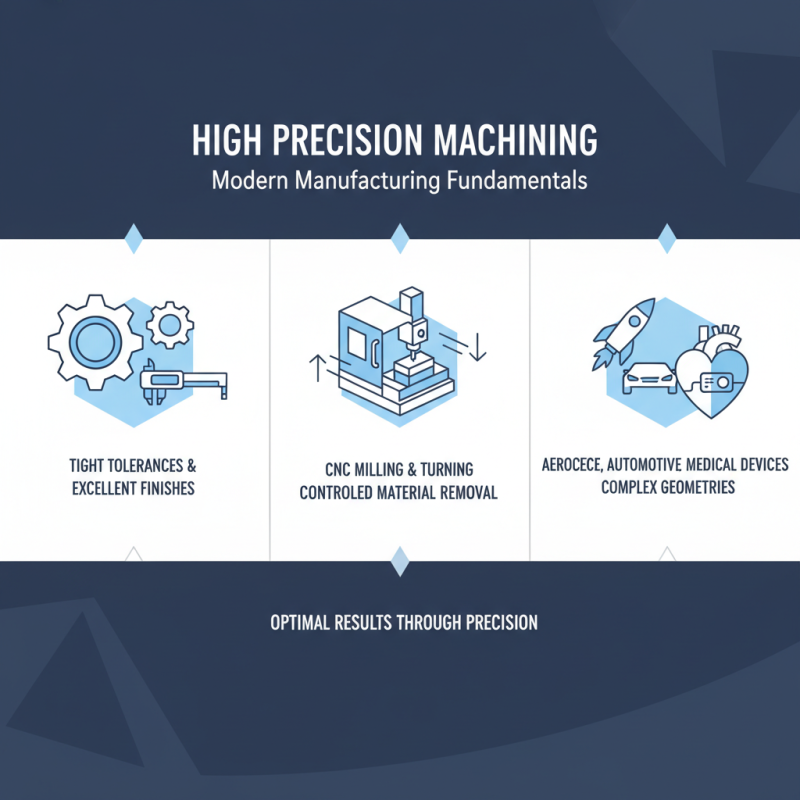
High precision machining is a fundamental aspect of modern manufacturing, utilized in various industries such as aerospace, automotive, and medical devices. At its core, high precision machining involves methods that ensure tight tolerances and excellent surface finishes. Understanding the basics of these techniques is critical for achieving optimal results. This includes familiarizing oneself with various machining processes, such as CNC milling and turning, which allow for controlled and accurate material removal, leading to the creation of complex geometries and intricate designs.

Moreover, mastering the fundamentals of high precision machining requires knowledge of tool selection and material properties. Choosing the right cutting tools and materials significantly impacts the machining process, enabling longer tool life and enhanced precision. Additionally, factors such as feed rates, spindle speeds, and machining strategies must be carefully considered to optimize performance. By honing these essential skills and techniques, machinists can produce high-quality components that meet stringent industry standards, ultimately contributing to successful manufacturing outcomes.
Key Factors Influencing Precision in Machining Processes

Achieving high precision in machining processes hinges on understanding several key factors that influence the outcomes. One critical factor is the choice of materials. Selecting the right material can drastically affect the machinability, which in turn impacts the precision of the final product. Different materials have varying hardness levels and reactions to cutting tools, so knowledge about the material properties is essential for precision engineering.

Another vital consideration is the stability of the machining environment. Vibration can lead to inaccuracies, so maintaining a stable setup is crucial. This includes ensuring that the machine is properly calibrated and that fixtures are secure. Regular maintenance of the machinery plays a significant role in sustaining performance.

To enhance precision, here are a couple of essential tips: First, utilize high-quality cutting tools that are designed for specific materials for better control and accuracy. Second, implement advanced measurement techniques, such as laser scanning or coordinate measuring machines (CMM), to verify dimensions throughout the machining process. These practices not only enhance precision but also contribute to overall machining success by reducing mistakes and unscheduled downtimes.

Precision Machining Success Factors

Essential Tools and Equipment for Precision Machining Success

In the realm of precision machining, having the right tools and equipment is paramount for achieving success. At the core of this process are high-quality machine tools, such as CNC machining centers, lathes, and milling machines. These tools not only improve efficiency but also enhance the accuracy of intricate designs. Investing in machines that offer advanced positioning systems and high-speed capabilities can dramatically reduce production times while maintaining the required tolerances. Additionally, complementing these machines with reliable workholding solutions, like vises and fixtures, ensures that components remain secure during operation, further contributing to precision.

Moreover, precision machining requires a selection of cutting tools that can withstand rigorous conditions and provide consistent results. Carbide and high-speed steel cutting tools are commonly favored for their durability and effectiveness across various materials. To maintain these tools' performance, implementing tools such as tool wear monitoring systems and quality measuring devices is crucial. These systems help in identifying when tools need maintenance or replacement, thereby reducing downtime and scrap rates. Furthermore, incorporating software solutions for simulation and machine monitoring can streamline workflows and enhance overall productivity, reinforcing the importance of the right equipment in the pursuit of machining excellence.

10 Essential Tips for Achieving High Precision Machining Success - Essential Tools and Equipment for Precision Machining Success

Tip Number Tip Title Description Essential Tools/Equipment
1 Choose the Right Materials Selecting high-quality and compatible materials is crucial for precision. Material Analyzer, Quality Testing Equipment
2 Invest in Advanced Machinery Modern CNC machines offer better precision than older models. CNC Milling Machines, CNC Lathes
3 Maintain Equipment Regularly Routine maintenance helps avoid unexpected breakdowns. Maintenance Tools, Lubricants
4 Adopt Cutting-Edge Cutting Tools Specialized cutting tools improve machining precision. High-Speed Steel, Carbide Tools
5 Implement Effective Workholding Techniques Proper workholding is critical for consistent precision. Vices, Clamps, Jigs
6 Optimizing Cutting Parameters Adjust feed rates and speeds to enhance machining outcomes. Feed Rate Monitors, Speed Controllers
7 Emphasize Quality Control Checks Frequent inspections ensure products meet precision standards. Coordinate Measuring Machines, Calipers
8 Train Your Operators Well-trained personnel enhance machine operation accuracy. Training Materials, Simulator Software
9 Drive Innovation with Technology Incorporating new technology leads to better efficiency. Automation Software, IoT Devices
10 Evaluate and Improve Continuous Processes Analyze outcomes and refine methods regularly for better precision. Process Mapping Tools, Continuous Improvement Software

Best Practices for Maintaining Quality Control in Machining

10 Essential Tips for Achieving High Precision Machining Success

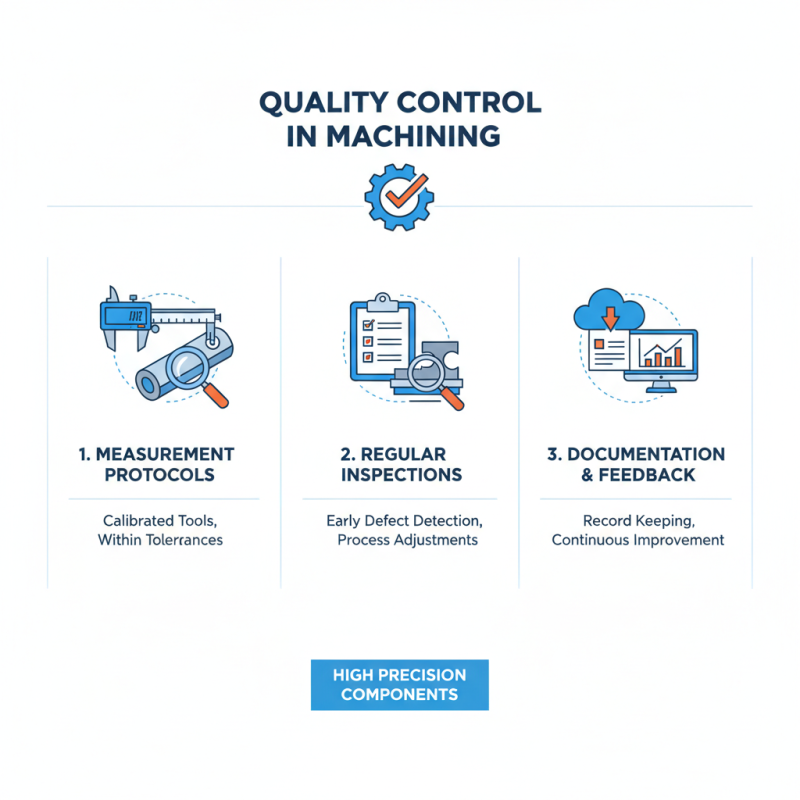
Maintaining quality control in machining is crucial for achieving high precision in manufactured components. One of the best practices involves implementing strict measurement protocols at various stages of the machining process. This includes the use of calibrated measuring tools and equipment, ensuring that all dimensions fall within specified tolerances. Regularly scheduled inspections not only catch defects early on but also provide valuable feedback for process adjustments. Documentation of measurements and outcomes is essential to maintain a clear record of quality assurance efforts.

Another vital aspect of quality control is employee training and engagement. Skilled operators who understand the intricacies of the machining process are key to minimizing errors. Providing comprehensive training sessions on best practices, as well as ongoing education about advancements in machining technology, can foster an environment of continuous improvement. Engaging employees in quality control initiatives, such as forming quality circles or involving them in problem-solving activities, can lead to innovative solutions that enhance precision and reliability in machining operations.

Continuous Improvement Strategies for Precision Machining Operations

Continuous improvement is vital for any precision machining operation aiming to enhance efficiency and product quality. One effective strategy is the implementation of lean manufacturing principles, which focus on minimizing waste while maximizing value. By conducting regular assessments of workflows and processes, operators can identify inefficiencies and areas for improvement. Utilizing methodologies like value stream mapping can help in visualizing flow and pinpointing bottlenecks, allowing teams to streamline operations and increase productivity.

Additionally, fostering a culture of collaboration and open communication among employees can significantly contribute to ongoing enhancements. Encouraging workers to share their insights and suggestions on improving processes makes them feel valued and invested in the success of the operation. Training and professional development programs should be prioritized, equipping staff with the latest skills and knowledge in precision machining technologies. This commitment to growth not only enhances workforce competency but also leads to innovations that can propel the entire operation forward, ensuring sustained success in precision machining.