2026 How to Choose the Best Butterfly Valves for Your Needs?
Choosing the right Butterfly Valves can be a daunting task. The variety of options available may overwhelm anyone. These valves are crucial components in various industries, controlling flow and pressure within systems. Selection matters significantly for efficiency and reliability.
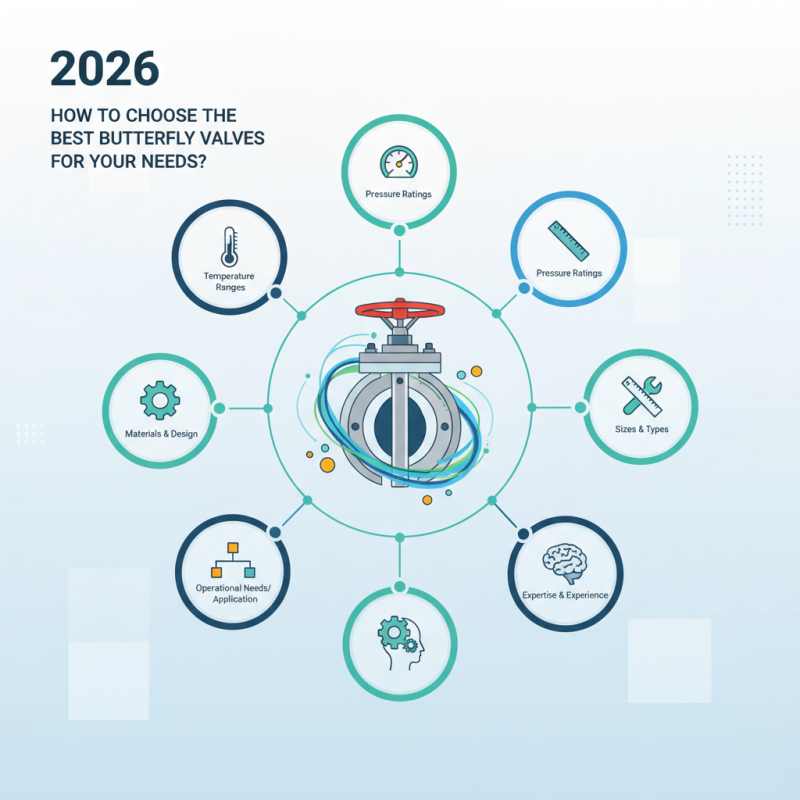
Butterfly Valves come in different materials, sizes, and designs. Each type serves specific operational needs. It’s essential to consider your unique requirements. Factors like pressure ratings and temperature ranges play crucial roles. Choosing the wrong valve can lead to inefficiencies and costly repairs.
While expertise helps in making informed choices, personal experience also matters. Many users face challenges when selecting appropriate Butterfly Valves. This guide aims to bridge those gaps. Reflect on what has worked in your past experiences. Assess your operational environment. Choosing wisely can enhance performance and longevity in your systems.
How Butterfly Valves Function and Their Role in Fluid Control Systems
Butterfly valves play a crucial role in fluid control systems. They operate using a disc that rotates within the pipe. This simple mechanism allows for quick opening and closing. The design makes them suitable for various applications, including water, gas, and oil transport. Their efficiency lies in the ability to regulate flow with minimal pressure drop.
In selecting butterfly valves, it's important to consider specific factors. The size and material affect performance. Users must understand their fluid's nature and temperature. Valve installation also requires careful attention to ensure proper alignment. Some may underestimate the importance of a proper seal. This can lead to leaks and inefficiency, impacting overall system performance.
Moreover, not all butterfly valves are created equal. Different designs and operating mechanisms exist. Users should familiarize themselves with options like resilient-seated and high-performance valves. Each type presents unique advantages and limitations. Thus, reflecting on these details can lead to better decision-making. Engaging with professionals can enhance understanding and support effective selection.
Key Considerations When Selecting Butterfly Valves for Specific Applications
When selecting butterfly valves for specific applications, multiple factors come into play. Understanding the fluid type is crucial. A study by the American Society of Mechanical Engineers indicates that 70% of valve failures stem from incompatibility with the media. Selecting materials like stainless steel or plastic can enhance durability.
Another consideration is the pressure and temperature of the application. For instance, high-pressure systems require valves that can withstand extreme conditions. Research from the International Journal of Industrial and Systems Engineering shows that improperly rated valves can lead to catastrophic failures.
**Tip:** Always run compatibility tests for the fluid against the valve material.
Size and flow rate are also essential. The valve must be sized correctly for effective operation. A 2019 report notes that 30% of efficiency loss comes from improperly sized valves.
**Tip:** Consult flow charts and choose a valve that matches your system's requirements.
Maintenance accessibility is often overlooked. Regular checks can prolong valve life. Yet, neglect can lead to unexpected downtime. Balancing performance with maintenance requirements is vital. Properly informed choices will lead to safer and more efficient operations.
Materials and Construction Types of Butterfly Valves: Achieving Optimal Performance
When choosing butterfly valves, material and construction types play a crucial role. Common materials include cast iron, stainless steel, and plastic. Each material offers unique benefits. For example, stainless steel is known for its corrosion resistance and durability, making it ideal for harsh environments. Reports indicate that stainless steel valves can last up to 20 years under optimal conditions.
Different construction types impact the valve's performance and efficiency. Wafer-type butterfly valves are lightweight and easy to install. Lug-style valves offer versatility, especially in piping systems. Research shows that using the right construction type can enhance flow characteristics by 15-25%, improving overall system efficiency.
Tips: Always consider the application environment when selecting materials. Consult with experts to ensure proper choices. A mismatch in material can lead to premature failure. Evaluate performance metrics and test reports to make informed decisions. Remember, even popular choices could fail if not assessed correctly. Make detailed comparisons to optimize your selection process.
Industry Standards and Certifications for Butterfly Valve Selection
When selecting butterfly valves, industry standards and certifications play a crucial role. These standards ensure the reliability and safety of valves in various applications. Organizations such as the American Society for Testing and Materials (ASTM) and the American National Standards Institute (ANSI) provide guidelines for material quality and performance. Adhering to these standards can lead to better overall system efficiency.
Certifications like ISO 9001 indicate a commitment to quality management. A report by the International Organization for Standardization shows that companies with these certifications experience a 20% reduction in operational risks. This can significantly impact the longevity of the valve and the entire system. Furthermore, compliance with ASME standards ensures that the valves can withstand the operational pressures typical in industrial environments.
Paying attention to certifications can sometimes feel overwhelming. The vast number of options may obscure the best choice for specific needs. It's important to consider both the specific application and the associated certifications. Understanding the intricate details of these standards can enhance decision-making processes, ensuring you select valves that truly meet industry requirements. Constantly reassessing your choices based on updated standards can help maintain operational excellence.
2026 Butterfly Valve Selection Standards - Performance Metrics
This chart illustrates the performance metrics of different butterfly valve types based on their flow coefficient (Cv), pressure drop (ΔP), and operational efficiency (OE). These metrics are essential for selecting the best butterfly valve according to industry standards.
Maintenance Practices to Ensure Longevity of Butterfly Valves in Operations
Maintaining butterfly valves is crucial for their longevity and operational efficiency. Regular inspections can help identify potential wear and tear. A study by the American Society of Mechanical Engineers indicates that improper maintenance can reduce valve lifespan by up to 30%. Check for leaks, corrosion, and seat wear regularly to prevent costly replacements.
Lubrication is essential for the internal components of butterfly valves. Using the right lubricant can minimize friction and enhance performance. However, over-lubrication can attract dirt and impair function. Maintenance schedules should include specific lubrication intervals based on operational conditions. It's not unusual for maintenance teams to overlook these details amidst routine tasks, which can lead to unexpected failures.
Training personnel on best practices is vital. Many operators may not be aware of the specific requirements for butterfly valves. Incorporating hands-on training sessions can bridge this knowledge gap. A well-informed team is better equipped to carry out precise adjustments and repairs. In this way, they can extend the lifecycle of the valves and ensure optimal functionality in operations.