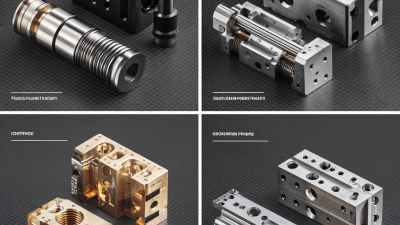
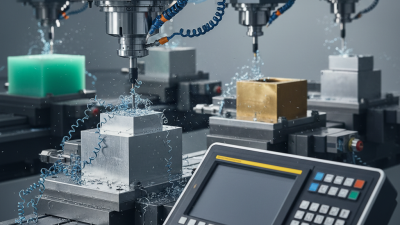
Why is Brass Machining Important in Manufacturing Processes?
Brass machining plays a vital role in modern manufacturing processes. This technique is essential for creating precision components used across various industries. According to a recent report by Grand View Research, the global brass machining market is projected to reach $3.2 billion by 2028, indicating a significant growth trajectory.
Experts emphasize the importance of brass machining for achieving high-quality products. Dr. John Miller, a renowned expert in metal fabrication, states, "Brass machining is not just a process; it's an art that requires precision and skill." This highlights the skillset needed for successful machining. However, the industry faces challenges such as fluctuating brass prices and workforce shortages. These issues can lead to production delays and impact overall quality.
The demand for brass components continues to rise, but maintaining standards is crucial. Manufacturers must invest in both technology and training to uphold quality. Despite these challenges, brass machining remains a cornerstone of reliable and efficient production.

The Role of Brass in Industrial Applications
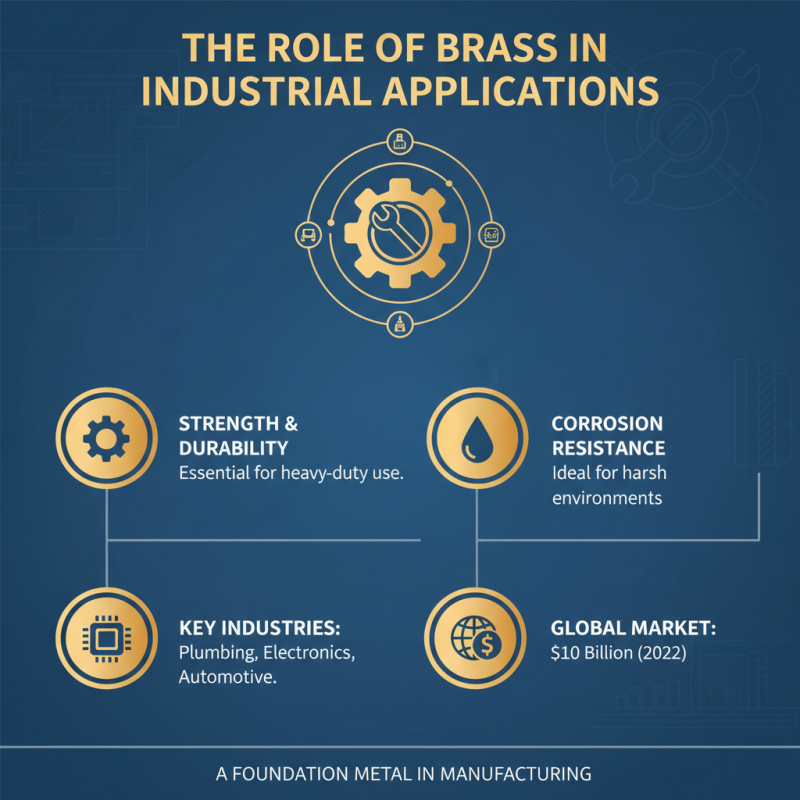
Brass has become a cornerstone in various industrial applications. This metal is renowned for its strength, durability, and resistance to corrosion. Industries such as plumbing, electronics, and automotive rely heavily on brass components. According to a recent industry report, the global brass market was valued at approximately $10 billion in 2022. This figure underlines the metal's significance in production processes.
Machining brass components allows for precision and efficiency. Specific alloys of brass can be tailored for different manufacturing needs. For example, C36000 brass, often used in machining, has excellent machinability and can achieve tight tolerances. However, challenges remain. Some manufacturers struggle with the recycling process, which can impact sustainability. While brass is fully recyclable, the logistics of recycling require improvement.
Moreover, the need for high-quality finishes in brass products cannot be overstated. Reports indicate that the demand for aesthetically pleasing and functional brass components has increased by 15% in recent years. Many manufacturers face pressure to keep up with this trend. Balancing cost and quality in brass machining remains an ongoing dilemma, one that industries must address to maintain competitiveness.
Benefits of Brass Machining in Manufacturing Processes
Brass machining plays a vital role in modern manufacturing. The material itself is known for its durability and resistance to corrosion. Brass components are often used in various industries, including electronics, automotive, and plumbing. This versatility makes them essential for creating reliable products.
One significant benefit of brass machining is precision. High-quality machining allows components to fit together perfectly. This reduces the risk of failure in finished products. Additionally, brass's machinability means quicker production times. Manufacturers can create intricate designs without sacrificing quality. However, it’s crucial to monitor the machining process closely. Any miscalculation could lead to wasted materials and time.
Cost-effectiveness is another advantage of brass machining. Brass parts often last longer than those made from other metals. This longevity translates into savings over time. However, the initial investment in brass machining can be higher. Balancing cost against quality is a challenge many manufacturers face. Despite these obstacles, the benefits of brass machining in manufacturing are hard to ignore.
Why is Brass Machining Important in Manufacturing Processes? - Benefits of Brass Machining in Manufacturing Processes
| Dimension |
Description |
Benefits |
| Durability |
Brass components have high resistance to corrosion and wear. |
Increased product lifespan and reduced maintenance costs. |
| Machinability |
Brass is relatively easy to machine, offering precise dimensions. |
Higher efficiency and reduced production time. |
| Conductivity |
Excellent electrical and thermal conductivity characteristics. |
Ideal for electrical components and heat exchangers. |
| Aesthetic Appeal |
Natural gold-like color provides an attractive finish. |
Enhancing the visual quality of products and designs. |
| Versatility |
Can be used in various applications across industries. |
Flexible usage ranging from plumbing to electronics. |
Challenges Faced in Brass Machining Operations
Brass machining is pivotal in many manufacturing processes.
However, it is fraught with challenges.
The complexity of the material can lead to numerous operational difficulties.
One significant challenge involves tool wear. Studies show that brass can be abrasive, causing tools to degrade rapidly.
This impacts production efficiency and increases costs.
Another issue arises from chip management. Brass generates long, stringy chips during machining.
These can create hazardous working conditions and complicate the machining process.
According to recent industry reports, improper chip removal can decrease productivity by up to 20%.
This situation requires constant monitoring and added resources to ensure safety.
Additionally, temperature control is critical.
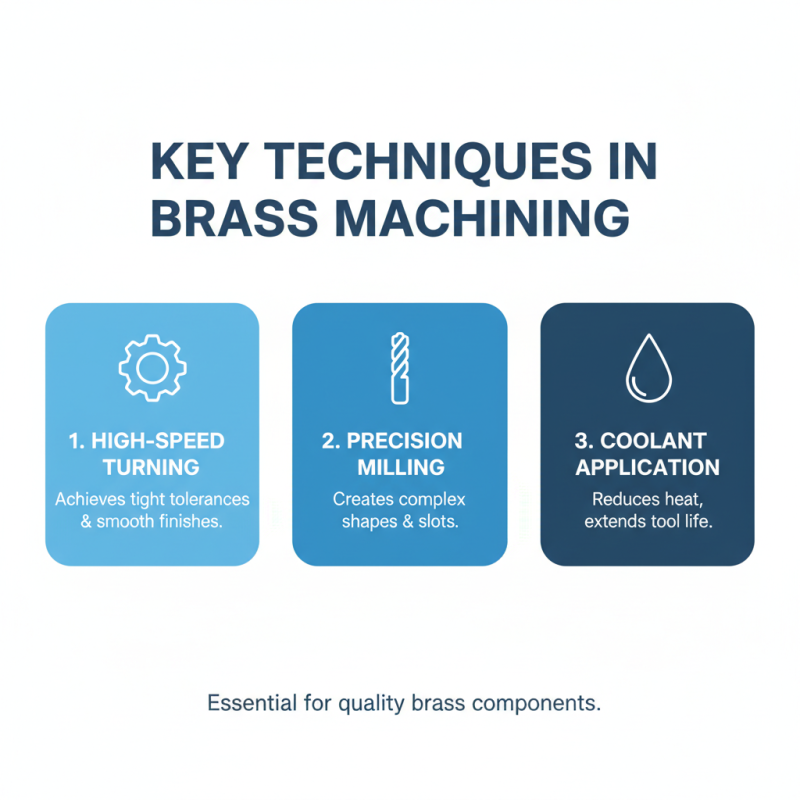
Brass machining often produces excess heat, affecting both the material and machinery.
If not managed, it can lead to warping or dimensional inaccuracies.
A report from the Machining Research Institute emphasizes that maintaining optimal cooling can improve the lifespan of both tools and products, ultimately enhancing overall efficiency.
Addressing these challenges requires businesses to invest in better equipment and training, which not all are prepared to do.
Future Trends in Brass Machining Technology
Brass machining is vital in manufacturing, but future trends are shaping its landscape. According to a recent industry report, demand for brass components is expected to grow by 5% annually. This growth is largely fueled by advances in automation and precision machining technologies. Manufacturers are increasingly integrating CNC systems. These systems enhance accuracy and reduce waste, but they require high initial investments.
The shift towards sustainable practices is also significant. Industry experts predict that 30% of brass machining processes will use eco-friendly methods by 2025. As companies seek to minimize their carbon footprint, they're exploring innovative cutting fluids and material recycling techniques. This approach not only conserves resources but also appeals to environmentally conscious consumers. However, challenges remain. Not every facility can adapt quickly to these changes, causing disparities in production capabilities.
Emerging technologies such as 3D printing are expected to disrupt traditional brass machining. Many companies are experimenting with hybrid manufacturing systems. However, this transition is not without hurdles. Regulatory standards and technical limitations can slow the adoption of these innovations. Moreover, maintaining product quality during rapid technological changes demands constant vigilance. The path forward is filled with opportunities, yet it also requires careful navigation.
Importance of Brass Machining in Manufacturing Processes