


10 Tips for Maximizing Efficiency with Precision CNC Milling Machines?
In today’s competitive manufacturing landscape, maximizing efficiency is crucial. Precision CNC milling machines play a vital role in enhancing productivity. According to recent industry reports, businesses using these machines can achieve up to 30% faster production times. This efficiency translates to significant cost savings and improved quality in output.
The precision CNC milling machine has revolutionized the way parts are manufactured. With advanced technology, these machines can create intricate designs with tight tolerances. However, challenges remain. Not all operations fully utilize the capabilities of their CNC machines. It’s essential to reflect on current practices and identify areas for improvement.
Leveraging data-driven strategies can guide more effective use of these machines. For instance, a study showed that optimizing tool paths can reduce cycle times by 15%. Continuous learning and adapting methods are necessary for success. Embracing these tips can help manufacturers achieve their efficiency goals.
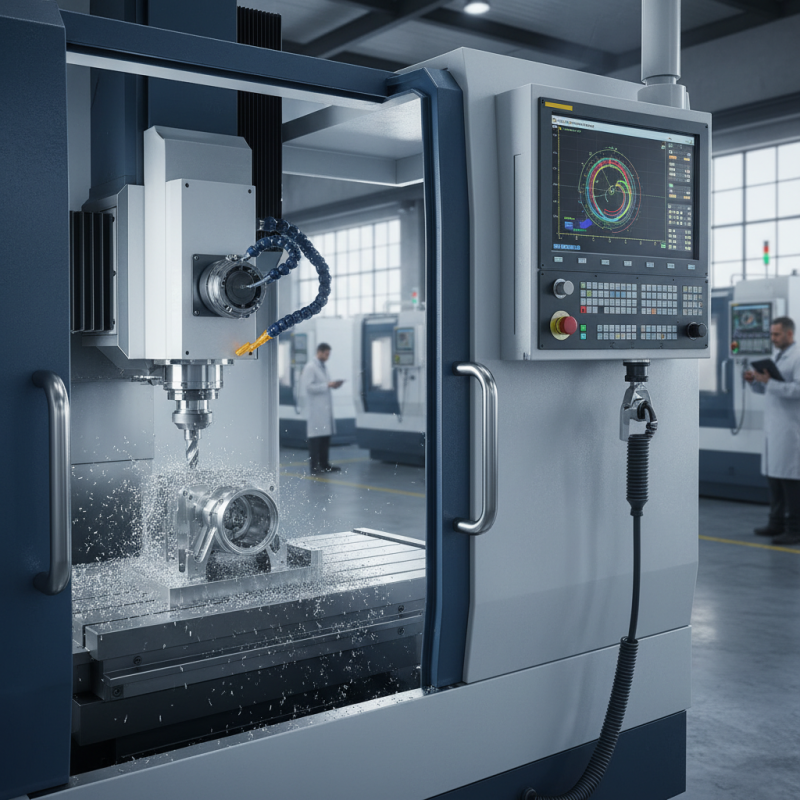
Understanding the Basics of Precision CNC Milling Machines
Precision CNC milling machines are essential in modern manufacturing. They provide high accuracy and repeatability, making them ideal for producing complex parts. According to a report from the International Federation of Robotics, the adoption of CNC machines has increased by 30% in the last five years. This trend highlights their importance in maintaining competitive advantage in various industries.
Understanding the basics of these machines is crucial. A CNC milling machine operates by removing material through rotating tools. Operators can program these machines to create intricate designs. However, with this complexity comes challenges. One survey indicated that 25% of manufacturers reported difficulties in programming these machines. Misalignment during setup can lead to waste and increased costs. Proper training is vital for operators to minimize these errors.
Efficiency is not just about speed. It also involves maintaining high-quality output. The industry average for production waste is around 15%. Identifying and addressing the sources of inefficiency is necessary for improvement. Regular maintenance and calibration of machines can reduce errors significantly. Investing in training and resources pays off in the long run.
10 Tips for Maximizing Efficiency with Precision CNC Milling Machines
| Tip Number | Tip | Details | Expected Outcome |
|---|---|---|---|
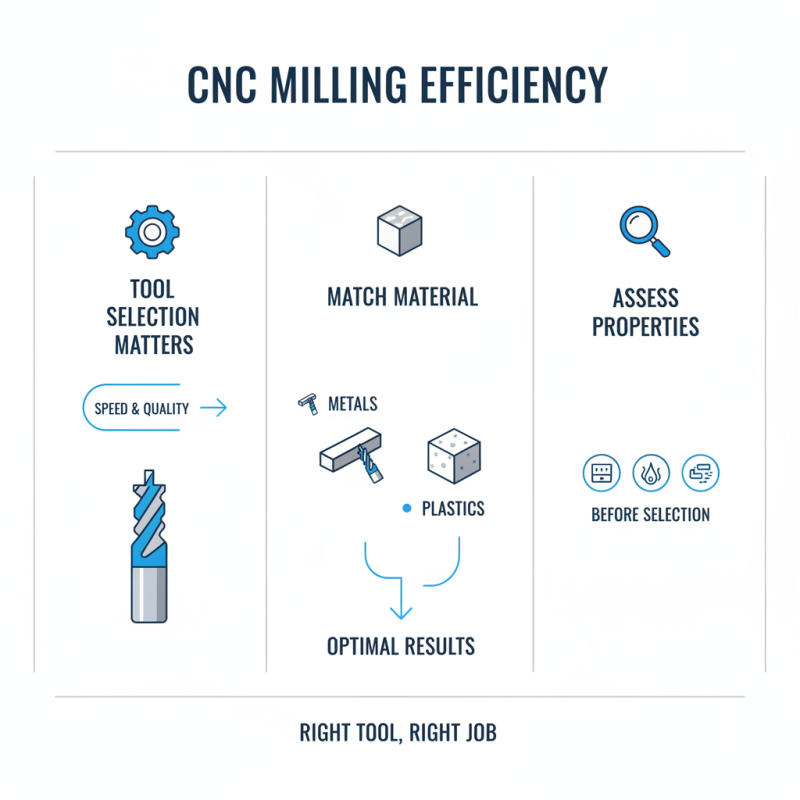
| 1 | Proper Tooling | Select the right cutting tools for your material and application. | Improved surface finish and reduced tool wear. |
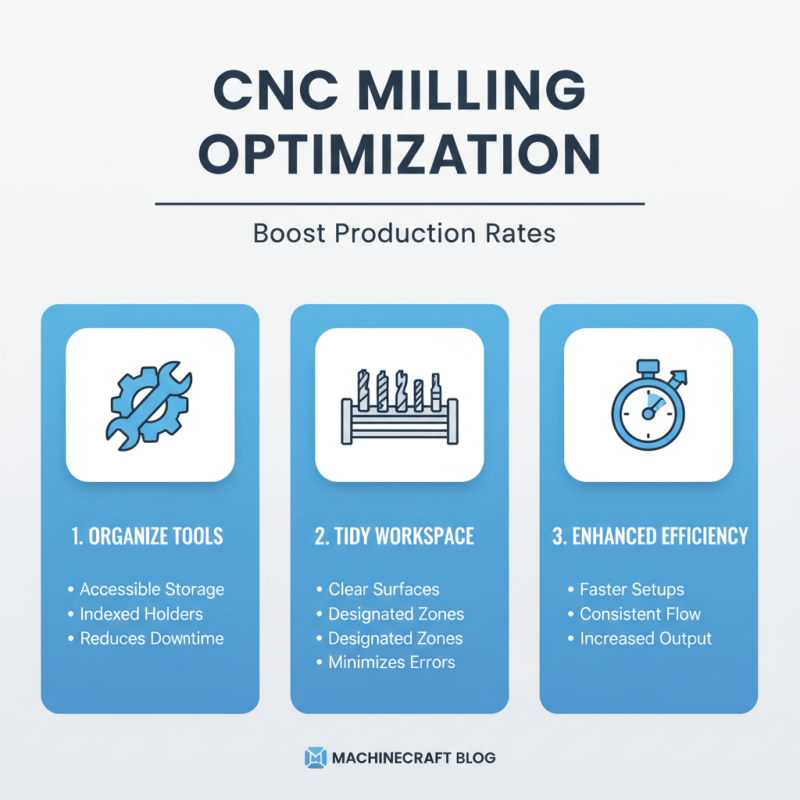
| 2 | Regular Maintenance | Conduct routine inspections and maintenance of the CNC machine. | Enhanced machine longevity and reliability. |
| 3 | Optimize Cutting Parameters | Adjust speed, feed rate, and depth of cut for maximum efficiency. | Increased productivity and reduced cycle times. |
| 4 | Use Advanced Software | Implement CAM software for better toolpath optimization. | More accurate machining and reduced programming time. |
| 5 | Training Operators | Ensure operators are well-trained in CNC operations. | Fewer errors and higher efficiency during production. |
| 6 | Implement Lean Manufacturing | Adopt lean principles to minimize waste in processes. | Lower production costs and improved turnaround times. |
| 7 | Monitor Performance Metrics | Track KPIs to assess machining efficiency. | Data-driven insights for continuous improvement. |
| 8 | Utilize Work Holding Solutions | Use appropriate vises and fixtures for part stability. | Higher precision in machining operations. |
| 9 | Plan Workflow Efficiently | Design the CNC workflow for minimal movement and time. | Optimized overall production timelines. |
| 10 | Embrace Automation | Integrate automation solutions for repetitive tasks. | Greater efficiency and reduced labor costs. |
Related Posts
-
How to Choose the Best Precision CNC Machining Services for Your Project
-
Understanding the Innovation Behind CNC Parts in Modern Manufacturing Techniques
-

How to Achieve Precision Milling for High Quality Results
-
What is an Axis CNC Machine and How Does it Work?
-
What is CNC Machining and Manufacturing Techniques Explained?
-
How to Choose the Right 5 Axis CNC Milling Machine for Your Needs?