How to Achieve Precision Milling for High Quality Results
Achieving precision milling is critical for industries like aerospace and automotive, where tolerances are tight. Recent studies show that 70% of manufacturers struggle to maintain consistency in high-precision parts. Operators face challenges such as tool wear and vibration, which can degrade performance.
In precision milling, the right techniques can mitigate these issues. According to a report from the International Journal of Advanced Manufacturing Technology, using advanced cutting tools can improve accuracy and reduce rework by 30%. However, some manufacturers overlook proper maintenance schedules, leading to unexpected downtimes. The equipment must be regularly inspected to ensure optimal cutting conditions.
Investing in technology also plays a significant role. Implementing CNC machines with adaptive control systems can enhance precision milling. Nevertheless, many companies hesitate to adopt these innovations due to costs. This reluctance can hinder their ability to produce high-quality results. Addressing these challenges requires a shift in focus and a commitment to continuous improvement.

Understanding Precision Milling and Its Importance in Manufacturing
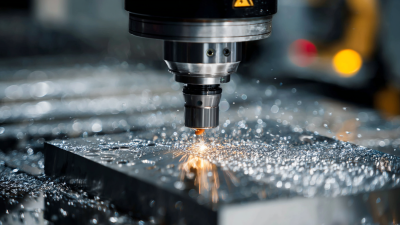
Precision milling is crucial in manufacturing. It ensures that parts fit together perfectly and function as intended. High-quality results stem from meticulous processes. This technique causes less waste and improves efficiency. Precision milling meets strict tolerances. It minimizes errors that can lead to costly production delays.
Tip: Always maintain your milling machines. Regular checks can prevent unplanned downtime. A well-calibrated machine yields better results.
Understanding the significance of precision milling is essential. Each component must meet the required dimensions. Any oversight during the process can result in defects. Smaller tolerances require more attention. Mistakes are common but can be learned from. Reflect on past projects to identify improvement areas.
Tip: Invest time in training operators. Skillful workers enhance the quality of milling. Their expertise contributes significantly to the overall precision.
Key Factors Influencing Precision Milling Techniques
Precision milling is crucial for achieving high-quality results in manufacturing. Several factors can significantly influence the effectiveness of these techniques. The choice of milling machine is one essential element. Machines should be rigid and stable to minimize vibrations during operation. A sturdy foundation helps maintain accuracy. Additionally, the use of sharp and appropriate cutting tools is vital. Dulling can lead to poor finishes and increased wear on the equipment.
Toolpath strategies also play a key role. Programming the right paths affects both efficiency and precision. A well-planned route reduces unnecessary movements. It can also make a difference in the lifespan of tools. Moreover, machining parameters are worth examining. Feed rates, spindle speeds, and depths need careful adjustments. Incorrect settings can result in errors, such as excessive force or heat, which may compromise the material.
While striving for perfection, it’s essential to recognize imperfections. Sometimes, even minor adjustments lead to better outcomes. Regularly reviewing processes is important. Feedback from operators can yield insights into areas needing improvement. Engaging in open discussions about challenges fosters a culture of continuous refinement. Precision milling is a journey, not just a destination. Each project offers a chance to learn and adapt.
How to Achieve Precision Milling for High Quality Results - Key Factors Influencing Precision Milling Techniques
| Factor |
Description |
Impact on Precision Milling |
| Material Selection |
Choosing the appropriate material ensures optimal tooling and process conditions. |
High impact on tool wear and machining accuracy. |
| Tool Geometry |
The shape and design of the cutting tool affect performance and surface finish. |
Crucial for maintaining a precise cut and reducing vibrations. |
| Machine Calibration |
Regular calibration ensures that the machine operates under the right parameters. |
Essential for achieving tight tolerances. |
| Cutting Parameters |
Optimizing speed, feed rate, and depth of cut helps maximize tool life. |
Directly influences the surface finish and dimensional accuracy. |
| Cooling and Lubrication |
Effective cooling and lubrication minimize heat and friction during machining. |
Helps in maintaining tool integrity and improves finish quality. |
| Workpiece Setup |
Proper fixturing and alignment of the workpiece ensure stability during machining. |
Critical for preventing movement and ensuring accuracy. |
Tools and Equipment Essential for Achieving Precision Milling
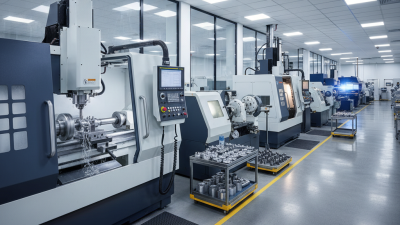
Achieving precision milling requires the right tools and equipment. One essential tool is the milling machine itself. Different types of machines offer varied capabilities. A CNC milling machine provides high accuracy and repeatability, making it ideal for complex designs. However, setup can be challenging for beginners. It often involves a steep learning curve.
In addition to the milling machine, having quality cutting tools is crucial. End mills and drill bits must be chosen based on the material being milled. A dull tool can lead to poor results and damage workpieces. It's important to regularly check the sharpness of your tools. And if necessary, replace them promptly to maintain quality.
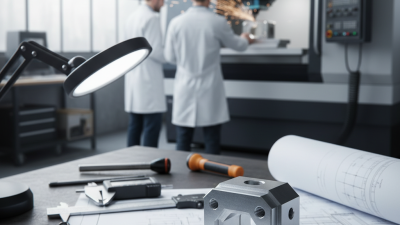
Lastly, proper workholding devices are vital. Vises and clamps ensure stability during the milling process. They help in achieving consistent cuts. Improperly secured workpieces can result in misalignment. This may lead to frustrating errors that need fixing later. Ultimately, focusing on these tools can lead to better outcomes. Precision in milling is about attention to detail and proper equipment.
Best Practices for Maintaining High Accuracy in Milling Processes
Precision milling is essential for achieving high-quality results in manufacturing. Maintaining accuracy involves several best practices. Regularly calibrate your milling equipment to ensure consistent performance. Adjustments made too infrequently can lead to variations in dimensions. Check the alignment of your tools. Even slight misalignments can result in significant inaccuracies.
Tool wear is another critical aspect. Inspect your cutting tools regularly. Replace them when they show signs of dullness. A worn tool can cause rough edges and diminish precision. Additionally, the choice of cutting speed and feed rate matters. These parameters should align with the material being milled. Experimenting with different settings may uncover optimal results, but overconfidence here can lead to mistakes.
Lastly, consider the milling environment. Keeping the workspace clean helps reduce contamination in the workpiece. Dust and debris can negatively impact precision. Wear and tear on the machine can accumulate unnoticed, complicating the milling process. Being mindful of these details will foster a more accurate milling workflow, but it requires continuous effort and adjustments.