Top 5 Tips for Choosing the Right Piston Filler for Your Business?
Choosing the right Piston Filler for your business is crucial. This decision impacts efficiency and product quality. Many businesses overlook the significance of selecting the right filling machine. A piston filler can drastically improve production processes. It ensures consistent and precise filling of various products.
Understanding your specific needs is essential. Different industries require different features in a piston filler. It’s not just about speed; reliability and adaptability matter too. Single products might work well, but diverse operations need flexibility. Recognizing the limitations of your current setup can guide your decision.
In this landscape, knowing the options is vital. Not every piston filler fits every business model. Researching different types and manufacturers can save you time and money in the long run. Weighing the pros and cons of each choice will lead you to the ideal solution. Investing the time now can result in substantial long-term benefits.
Understanding the Functionality of Piston Fillers in Liquid Packaging
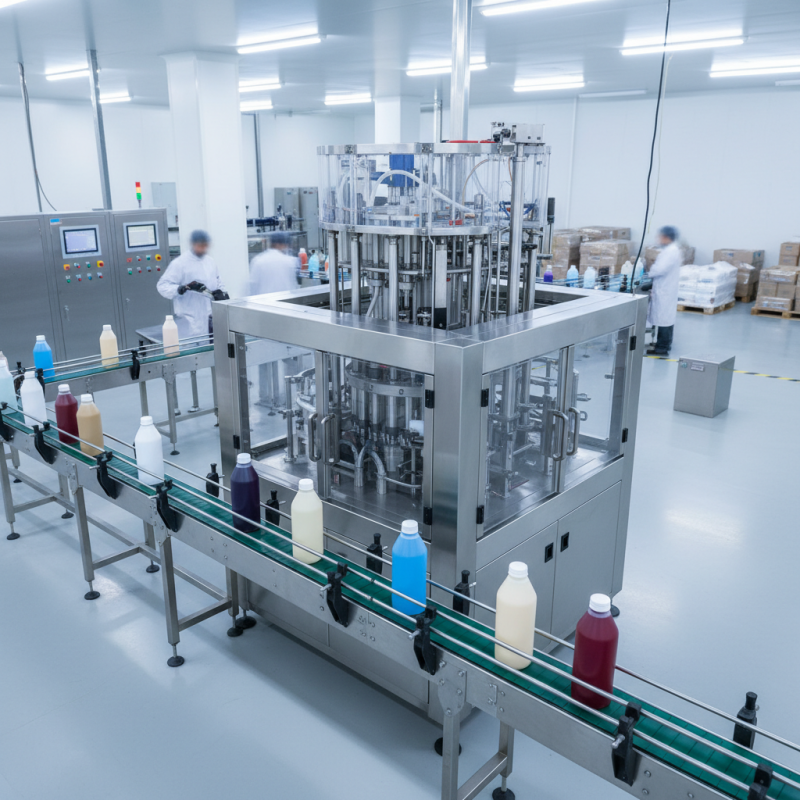
Piston fillers are essential in liquid packaging, providing accuracy and efficiency in filling containers. They work by using a piston mechanism to draw liquid from the reservoir into the cylinder. Then, the piston pushes the liquid into the container, ensuring uniform volume with every cycle. This technology minimizes waste and enhances productivity, making it valuable for businesses in various sectors.
Industry reports indicate that piston fillers can achieve filling accuracy of up to 99.5%. This level of precision is crucial, especially for companies that prioritize quality control. Moreover, the versatility of piston fillers allows for handling various viscosities, from thin liquids to thicker pastes. However, it's essential to choose the right model based on the specific needs of your production line. Some models may require more maintenance than others, which could affect operational efficiency.
When implementing piston fillers, businesses should anticipate potential challenges. Common issues include air bubbles in the liquid and inconsistent filling volumes. These can be mitigated through proper equipment calibration and staff training. Regular maintenance schedules can also ensure long-term reliability. As you explore piston fillers, be mindful of these factors to enhance your packaging process.
Identifying Your Business's Specific Filling Requirements and Constraints
When choosing a piston filler, understanding your specific filling requirements is crucial. Consider the type of products you handle. Are they viscous, thin, or chunky? Each product has unique needs. Knowing this informs your choice significantly. For instance, a thick paste requires a different setup than a runny liquid. Don’t overlook the temperature sensitivity of your products. It can affect filling consistency and equipment performance.
Next, identify any constraints your business may face. Are there limits on space? Dimensions of the filler must align with your production area. Also, assess your budget. High-end models offer advanced features but may not be necessary for all businesses. Think about scalability too. If you anticipate growth, invest in a machine that can adapt to future needs. Feedback from your team about usability is essential. It can reveal shortcomings in your process that you hadn’t considered.
Top 5 Considerations for Choosing the Right Piston Filler
This chart outlines the top considerations when choosing a piston filler for your business, rating their importance on a scale from 1 to 10. Factors such as product viscosity and material compatibility are crucial for ensuring the right choice is made for specific operational needs.
Comparing Different Types of Piston Fillers for Variety of Applications
When selecting a piston filler for your business, understanding the various types is crucial. Gravity piston fillers are ideal for low-viscosity liquids. They rely on gravity and provide consistent results for products like sauces. On the other hand, vacuum piston fillers work best for thicker substances. These machines create a vacuum to draw the liquid into the cylinder, ensuring precise filling.
Running a production line often reveals the need for versatility. Some businesses require fillers that can handle a range of viscosities. The right machine will save time and reduce waste. Adjusting between different product types can be challenging. It's essential to choose a filler that adapts easily to these changes. Moreover, consider the learning curve for your staff. A complex machine may slow down the operation initially.
Accessibility to parts is another factor to weigh. If the machine breaks down, how quickly can you get it running again? It's worth exploring the reliability of the machine's components. Each type of piston filler has its pros and cons. A thorough analysis of your specific needs will help guide your decision. Aim for a balance between functionality and ease of use.
Evaluating the Quality and Reliability of Manufacturers and Suppliers
When selecting a piston filler, the credibility of manufacturers and suppliers is crucial. Research suggests that about 30% of businesses face quality defects due to poor sourcing choices. Identifying reliable manufacturers is not just beneficial; it is essential for maintaining operational efficiency.
One effective tip is to review certifications. Seek manufacturers with industry-standard certifications like ISO 9001. This certification indicates a commitment to quality management principles. Also, consider looking at customer testimonials and case studies. These often provide insight into the manufacturer’s reliability and service.
Another aspect to consider is the supplier's experience. An experienced supplier may offer better support and troubleshooting during operations. Engaging with suppliers who have over 10 years in the industry could significantly minimize the risks of equipment failure. In fact, research shows that suppliers with established track records typically deliver products with lower failure rates.
Do not overlook maintenance and support offered by suppliers. A reliable supplier often provides ongoing support and training. This can significantly improve the performance of your piston fillers. Additionally, comparing warranty and service agreements is vital. A lengthy warranty can be a sign of a confident manufacturer.
Budget Considerations: Cost Analysis of Piston Fillers and Long-Term Value
When considering the cost of piston fillers, it's essential to analyze not just the initial purchase price but also long-term value. Many businesses overlook maintenance costs, which can accumulate over time. A cheaper model may seem appealing, but it could lead to higher operational costs later. That’s where thorough research comes into play.
Evaluate production needs carefully. A filler with advanced features might carry a higher price tag, yet it could boost efficiency dramatically. Piston fillers often require different levels of service. Some need regular calibration, which adds to expenses. Take time to assess all aspects of ownership. Understanding these factors can save your business money.
Additionally, consider the warranty and support services provided. A robust warranty reflects a manufacturer's confidence in their product. It can indicate reliability and reduce future costs. Choosing a piston filler should be about maximizing return on investment over time. Balanced decision-making is crucial for sustainable operations. Each choice should align with your business goals.
Top 5 Tips for Choosing the Right Piston Filler for Your Business
| Tip | Considerations | Cost Range ($) | Long-Term Value |
| 1. Assess Production Needs | Evaluate the volume and viscosity of products. | $3,000 - $20,000 | Higher initial cost can lead to better efficiency. |
| 2. Check for Flexibility | Ability to handle different bottle sizes and shapes. | $4,000 - $15,000 | Can adapt to changing product lines, improving ROI. |
| 3. Evaluate Maintenance Requirements | Consider ease of cleaning and servicing. | $2,500 - $10,000 | Lower maintenance leads to reduced downtime. |
| 4. Look for Automated Features | Automation can increase throughput and efficiency. | $5,000 - $30,000 | Higher investment but significant labor savings. |
| 5. Review Warranty and Support | Check the warranty duration and support services. | $3,000 - $25,000 | Good support can enhance long-term reliability. |