2025 Top 10 5 Axis CNC Machines Revolutionizing Precision Manufacturing
In the realm of precision manufacturing, the introduction of advanced machinery has transformed traditional production methods, leading to unprecedented levels of accuracy and efficiency.
Among these innovations, the 5 axis CNC machine stands out as a revolutionary tool that enables manufacturers to achieve complex geometries and intricate designs with remarkable precision.
As we move towards 2025, the need for sophisticated manufacturing solutions is more pressing than ever, and the capabilities of 5 axis CNC machines are set to redefine industry standards.
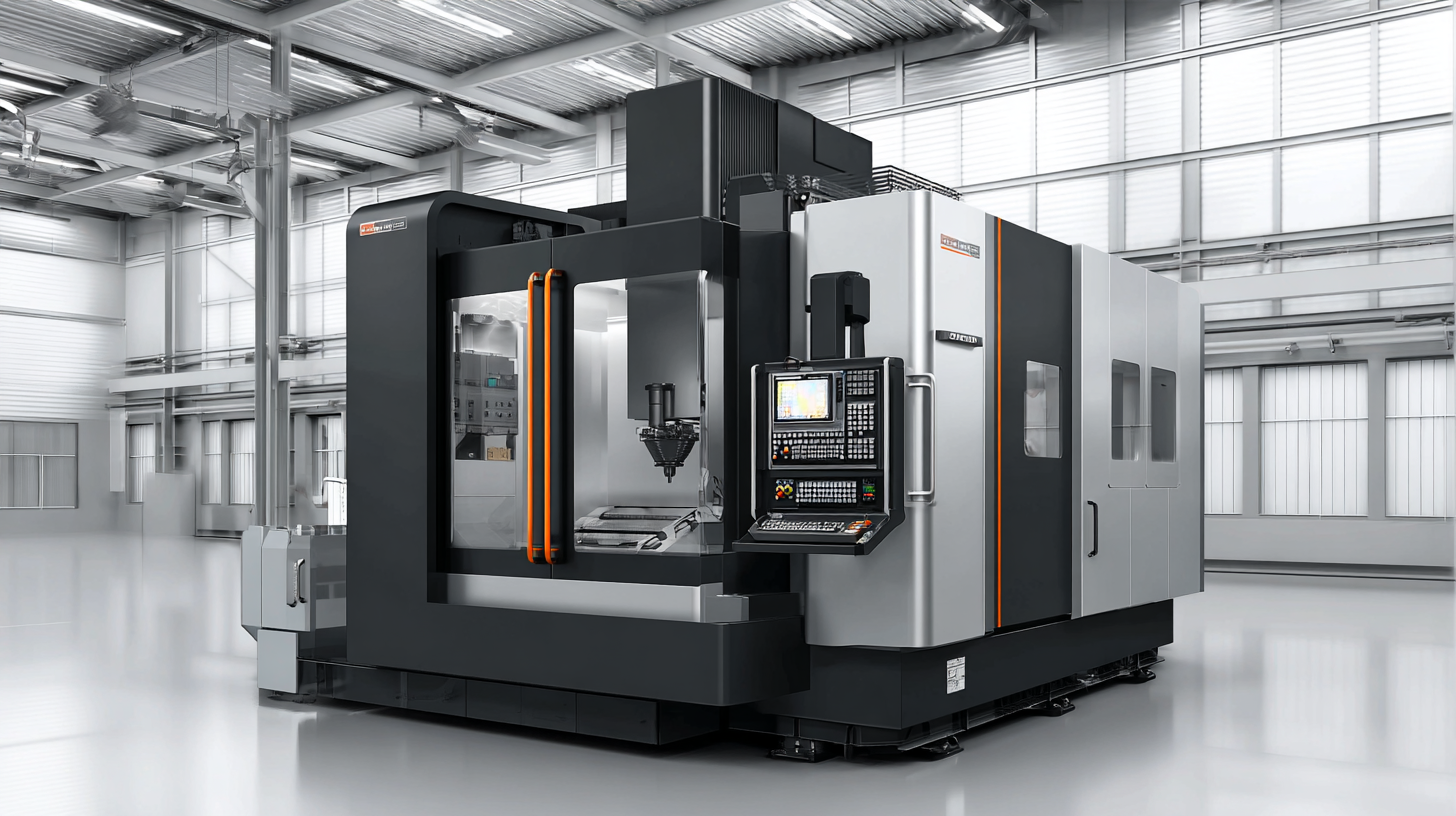
This article will explore the top 10 5 axis CNC machines that are making waves in the manufacturing sector.
From their technological advancements to practical applications, these machines are engineered to enhance productivity and reduce operational costs.
Incorporating insights and tips on selecting the right machine for specific applications will provide invaluable guidance for manufacturers looking to harness the full potential of this technology.
With a focus on the transformative power of 5 axis CNC machines, we aim to illuminate how they are shaping the future of precision manufacturing.
The Rise of 5 Axis CNC Machines in Precision Manufacturing: An Overview of 2025
The rise of 5-axis CNC machines is poised to significantly transform precision manufacturing by 2025. As the global CNC machine market continues to expand, projected to grow from $101.22 billion in 2025 to $195.59 billion by 2032, 5-axis technology is at the forefront of this evolution. This growth is driven by the increasing demand for high-precision components across various industries, including aerospace, automotive, and medical implants. The ability of 5-axis machines to perform complex cuts and produce intricate geometries makes them indispensable for manufacturers aiming to enhance efficiency and accuracy.
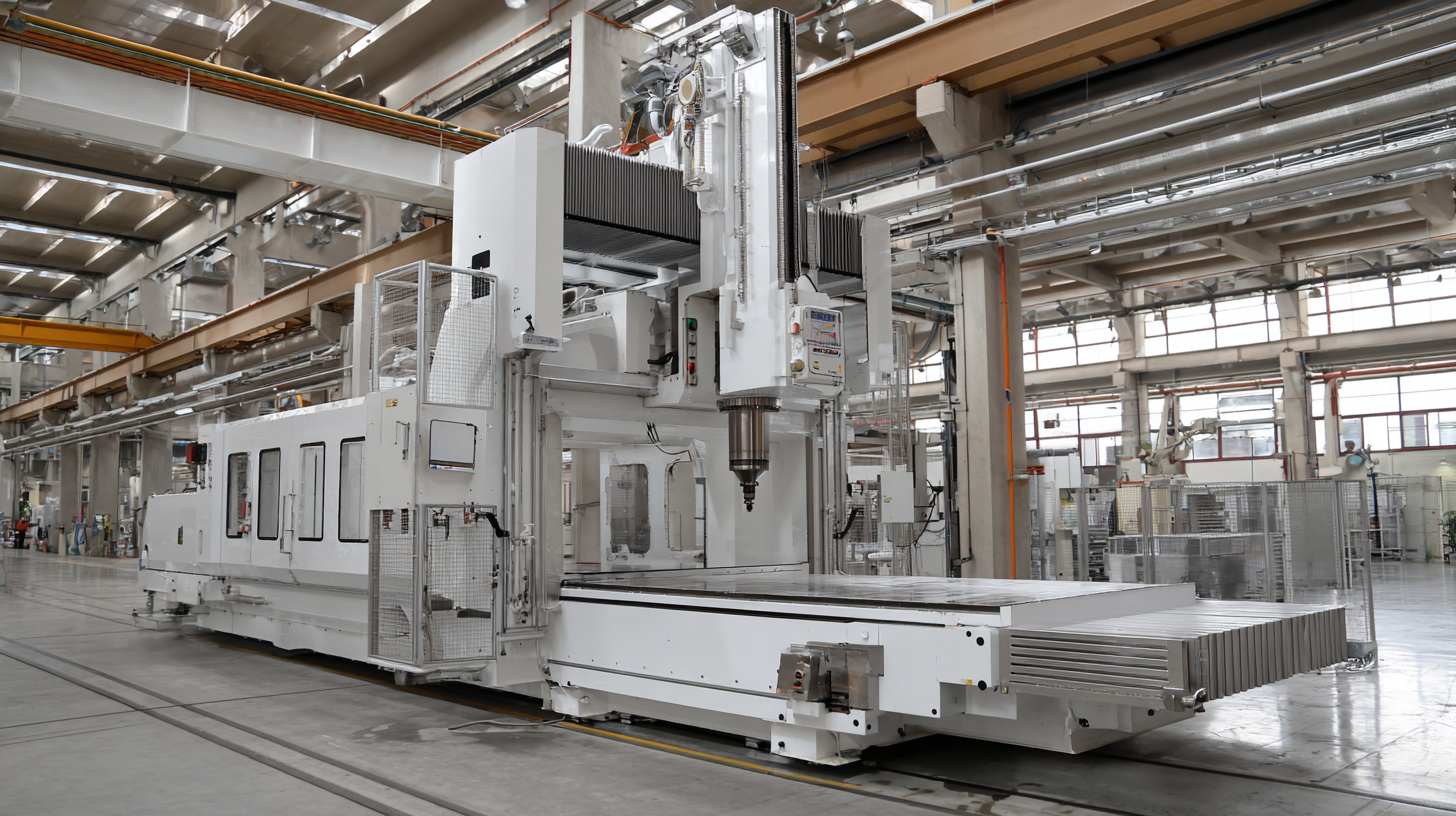
In particular, advancements in 5-axis machining centers are reshaping production capabilities. These machines offer greater flexibility and lesser setups, enabling manufacturers to streamline processes and reduce lead times. As revealed in market analysis, the demand for high-precision and multi-axis machining centers is expected to surge, supported by innovations in artificial intelligence that are redefining operational standards. As industries embrace these technologies, the impact of 5-axis CNC machines will undoubtedly spearhead a new era of precision manufacturing in 2025 and beyond.
Key Features of Leading 5 Axis CNC Machines Transforming the Industry
The landscape of precision manufacturing is experiencing a revolutionary shift with the advent of advanced 5 Axis CNC machines. These machines are redefining the capabilities of production by enabling intricate designs and meticulous accuracy. According to recent industry reports, the integration of digital manufacturing technologies has led to a remarkable increase in productivity—by as much as 30% in some sectors. This surge is attributed not only to superior machining precision but also to efficiency in workflow processes.
Key features of leading 5 Axis CNC machines include their ability to operate on multiple axes simultaneously, which facilitates the creation of complex parts with fewer setups. Enhanced software integration, driven by IoT and AI technologies, allows for real-time monitoring and adjustments, thus minimizing downtime and waste. Reports indicate that manufacturers adopting these intelligent machines can achieve a reduction in production time by nearly 20%, significantly boosting overall operational efficiency. Emphasizing automation and intelligent robotics, these innovations are poised to lead the industry into a new era of productivity and creativity.
Comparative Analysis: 5 Axis CNC Machines vs. Traditional Machining Methods
In recent years, the manufacturing industry has undergone a significant transformation with the advent of 5-axis CNC machines, which offer precision and efficiency that traditional machining methods struggle to match. Unlike conventional machines that operate on three axes, 5-axis CNC machines can move tools and parts in five different directions simultaneously. This ability allows for the production of complex geometries and intricate designs with greater accuracy and reduced cycle times. The integration of advanced technologies such as 3D scanning has further enhanced the capabilities of these machines, enabling manufacturers to create highly detailed products with minimal manual intervention.
Tips: When considering a switch from traditional machining to 5-axis CNC, it’s essential to assess your specific manufacturing needs. Investing in training for your team can also ensure that you maximize the potential of your new equipment. Additionally, consider the long-term return on investment, as the increased efficiency and precision can significantly reduce costs over time.
Furthermore, the benefits of 5-axis machining extend beyond just precision; they also contribute to a more streamlined workflow. Unlike traditional methods, which may require multiple setups and extensive handling of parts, 5-axis CNC machines can complete tasks in fewer operations. This not only saves time but also minimizes the risk of errors that can occur during part transfers. By embracing this cutting-edge technology, manufacturers are positioning themselves at the forefront of innovation in precision manufacturing.
Impact of 5 Axis CNC Technology on Production Efficiency and Cost Reduction
The evolution of 5-axis CNC machining technology has significantly impacted production efficiency and cost reduction in precision manufacturing. According to a market research report from Custom Market Insights, the demand for advanced CNC metal and precision tools is projected to grow, driven by the necessity for high accuracy and speed in manufacturing processes. This growth is expected to fuel the global 5-axis CNC machining centers market, which is estimated to increase by USD 792.5 million between 2024 and 2028, as self-optimized cutting machines and AI technologies reshape industry standards.
With its ability to perform complex cuts and enhance machining speed, five-axis CNC machining stands out in the manufacturing sector. The introduction of sophisticated 5-axis machines enables manufacturers to produce intricate parts with reduced cycle times. This shift towards more efficient machining solutions is crucial in industries that demand precision, such as aerospace and automotive, where even the slightest deviation can lead to significant performance issues. Implementing 5-axis CNC technology not only optimizes production efficiency but also contributes to considerable cost savings, making it an indispensable tool in modern manufacturing workflows.
Future Trends: How 5 Axis CNC Machines Are Shaping Precision Manufacturing in 2025
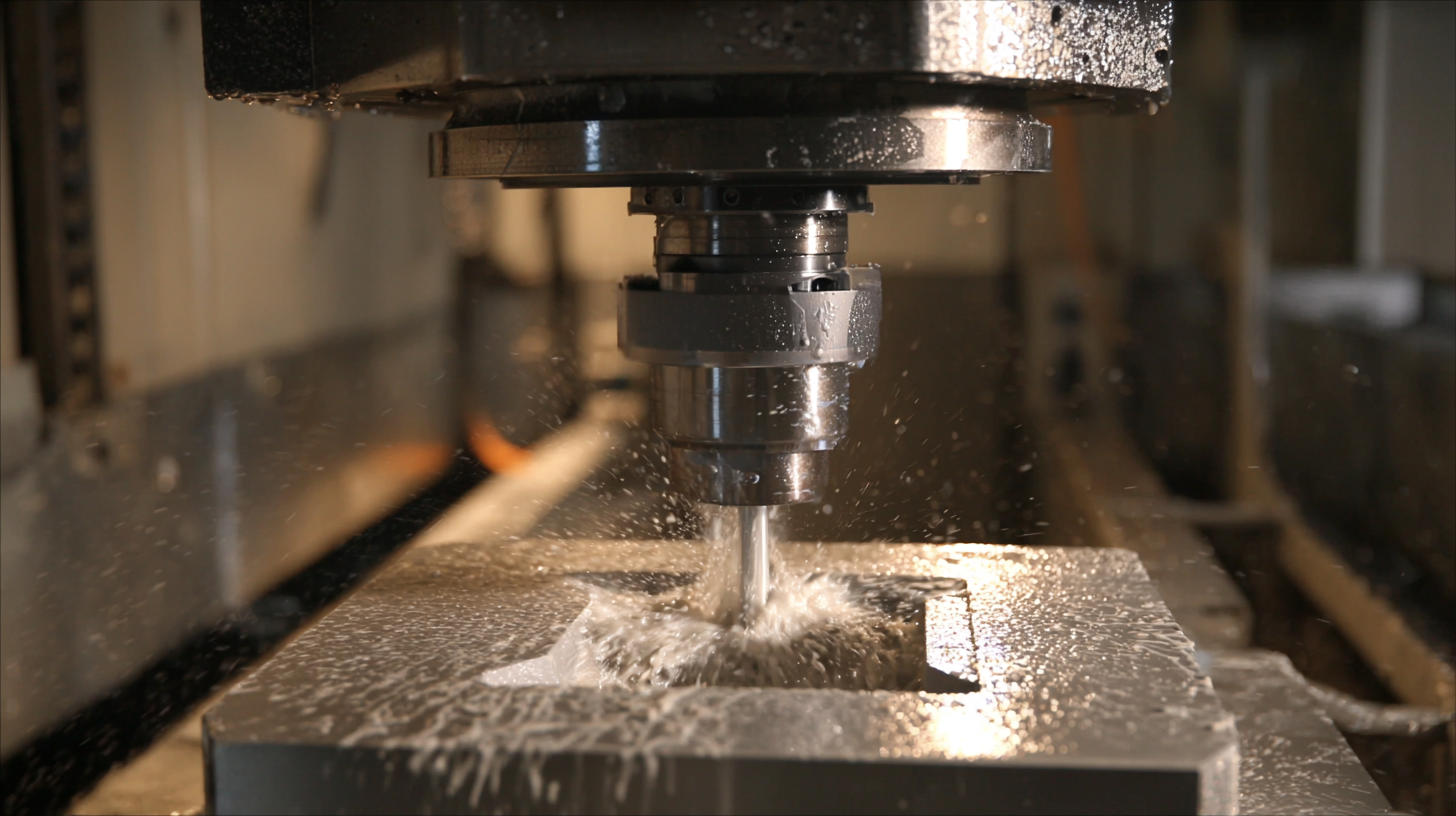 The landscape of precision manufacturing is undergoing a significant transformation as 5 axis CNC machines take center stage. These machines, capable of cutting in multiple directions simultaneously, are redefining what is possible in production efficiency and accuracy. As the global CNC machine market is projected to grow significantly, reaching $195.59 billion by 2032, the implementation of advanced 5 axis technology is a vital factor driving this trend. The rising demand for high-precision components across industries, from aerospace to medical devices, underscores the necessity for these sophisticated machining centers.
Tips for Maximizing Efficiency with 5 Axis CNC Machines:
1. Invest in training for your operators to fully utilize the capabilities of 5 axis machines, ensuring optimal performance and minimized downtime.
2. Regularly update your software and tools to keep pace with advancements in CNC technology, which can enhance machine functionality and improve production cycles.
In addition, the integration of artificial intelligence (AI) within the CNC machining sector is expected to further boost productivity. AI can optimize machining parameters in real-time, enabling manufacturers to achieve greater precision while reducing waste. By adopting these cutting-edge solutions, companies can position themselves at the forefront of a rapidly evolving industry landscape.