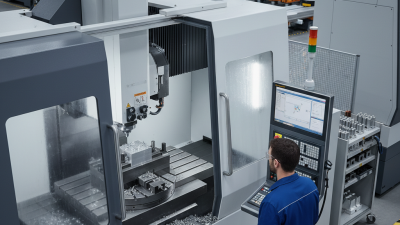
China Top 10 5 Axis CNC Milling Machine Manufacturers
China has become a major sourcing destination for advanced machining equipment, including the 5 axis cnc milling machine. This guide examines ten manufacturers serving aerospace, automotive, medical, energy, mold, and precision engineering applications. The selection focuses on practical capabilities, not advertising language alone.
Each manufacturer is considered through machine structure, spindle performance, rotary-axis design, control systems, accuracy data, service support, and production experience. A rigid cast frame can reduce vibration during heavy cutting. A high-speed spindle may improve aluminum finishing. Meanwhile, stable thermal control matters when tolerances become demanding. These details often affect real production results more than impressive brochures.
Look closely.
Reliable evaluation also requires evidence. Buyers should request inspection reports, sample parts, customer references, installation records, and clear warranty terms. Factory visits or live machining demonstrations can reveal assembly quality, operator training, chip management, and noise levels. These observations provide useful experience beyond a product catalog. However, public information is not always complete, and specifications may vary between models or configurations. This ranking should therefore support research, not replace technical due diligence. A manufacturer with strong equipment may still provide weak communication or limited overseas support. That possibility deserves attention. The best choice depends on material, work envelope, tolerance targets, batch size, automation needs, and local service availability. By comparing these factors carefully, manufacturers and engineering teams can identify a Chinese supplier that offers balanced performance, dependable support, and a realistic long-term return on investment.
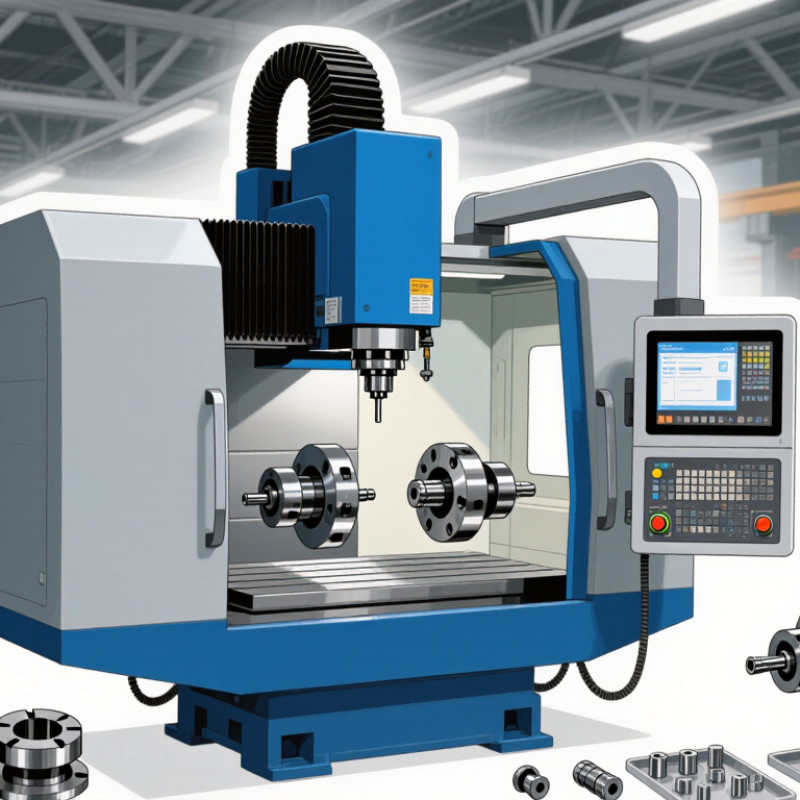
What Is a 5-Axis CNC Milling Machine?
What Is a 5-Axis CNC Milling Machine?
A 5-axis CNC milling machine moves a cutting tool along three linear axes: X, Y, and Z. Two additional rotary axes tilt or rotate the workpiece, spindle, or both. This coordinated movement lets one setup reach angled faces, deep cavities, and curved surfaces.
That matters.
Compared with three-axis machining, five-axis equipment can reduce repositioning, fixture changes, and alignment errors. A single setup may produce an aerospace impeller or medical component with fewer interruptions. Grand View Research reported that the global CNC machine market reached approximately USD 83.8 billion in 2022. It also projected a 10.3% compound annual growth rate from 2023 to 2030. These figures reflect wider automation demand, although they do not isolate five-axis machines.
In real workshops, performance depends on more than axis count. Skilled programmers must manage tool orientation, collision risks, post-processors, and cutting loads. High-speed spindles, probing systems, and thermal compensation can improve consistency.
Calibration matters.
A poorly calibrated rotary axis can create visible mismatch lines on a contoured surface. Five-axis machining also costs more and may waste capacity on simple prismatic parts. It is easy to call every complex job “five-axis ready,” but that judgment needs evidence from cycle-time studies, tolerance checks, and actual workholding trials.
Mistakes still happen.
Key Criteria for Evaluating Chinese 5-Axis CNC Manufacturers
China Top 10 5 Axis CNC Milling Machine Manufacturers
Key Criteria for Evaluating Chinese 5-Axis CNC Manufacturers
Selecting a Chinese five-axis CNC manufacturer requires more than comparing prices. Review machining experience, engineering depth, and production evidence. A reliable supplier should explain axis configuration, spindle performance, controller compatibility, and thermal stability clearly. Ask for inspection records, calibration dates, and traceable material certificates. Factory experience matters when machining titanium, aluminum, or complex mold steel. Request sample parts with measured results, not only polished photographs.
Tips: Visit the factory when possible. Watch a machine cut a test part. Check surface finish, tool changes, coolant control, and operator procedures. Compare the promised tolerance with actual inspection data. A trial order can expose weak communication early.
After-sales support deserves equal attention. Confirm response times, spare-parts availability, remote diagnostics, installation guidance, and operator training. Examine how the manufacturer handles design changes and failed components. Independent audits can verify quality systems, but they cannot replace technical judgment. One supplier may present excellent certificates yet lack practical five-axis experience. That is a warning sign. I have found that small details, such as inconsistent documentation or unclear acceptance standards, often predict larger problems later. Evaluate total operating cost, including maintenance, training, energy use, and downtime. A lower purchase price may become expensive when accuracy drifts or support arrives slowly.
China’s Top 10 5-Axis CNC Milling Machine Manufacturers
China’s top 10 5-axis CNC milling machine manufacturers are gaining attention as aerospace, medical, and energy suppliers demand tighter machining control. A 2024 MarketsandMarkets report values the global CNC machine market at about USD 83 billion and projects continued growth through 2029. China’s large production base supports competitive pricing, shorter lead times, and broader customization.
A serious comparison should examine more than spindle speed. Check simultaneous five-axis accuracy, thermal compensation, control stability, and after-sales response. ISO 230-2 testing can reveal positioning accuracy and repeatability under defined conditions. ISO 10791 is also useful for evaluating machining-center performance. In a factory trial, inspect a titanium impeller, not only an aluminum sample. Titanium exposes vibration, heat, and toolpath weaknesses quickly.
The strongest Chinese manufacturers usually provide machines for complex surfaces, deep cavities, and multi-sided parts. Their practical value depends on configuration. A high-speed spindle may be unsuitable for heavy cutting. A generous working envelope may reduce dynamic accuracy. According to the 2024 Deloitte Global Manufacturing Industry Report, manufacturers continue prioritizing automation, digital monitoring, and production resilience. That trend supports connected five-axis equipment, but software integration remains uneven across suppliers. Some technical claims still need independent verification. Ask for test-cut records, volumetric accuracy results, and service response times before purchasing. A polished brochure is not proof.
This chart presents representative technical benchmarks commonly published for 5-axis CNC milling machines, including spindle speed, rapid traverse, and maximum table load. The figures are anonymized and intended for general market comparison rather than manufacturer ranking.
Machine Types, Specifications, and Industry Applications
China’s leading 5-axis CNC milling machine manufacturers offer several practical machine types. Trunnion-table models suit compact parts and stable rotary workholding. Swivel-head machines handle oversized components with fewer repositioning limits. Hybrid designs combine both movements, but they usually require higher investment and careful programming.
Typical specifications include X, Y, and Z travels from 500 to 2,000 millimeters. Rotary axes may reach ±110 degrees and provide continuous 360-degree rotation. Spindle speeds commonly range from 12,000 to 24,000 rpm, while heavy-duty versions prioritize torque over speed.
Buyers should examine positioning accuracy, repeatability, thermal control, table load, tool capacity, and controller compatibility. Numbers alone can mislead. A machine rated for high speed may lose stability during deep cavity milling.
Aerospace workshops often use simultaneous 5-axis machining for turbine blades, impellers, and structural parts. Medical manufacturers need smooth surfaces and reliable control for titanium implants and surgical components. Automotive suppliers frequently choose 3+2 machining for molds, housings, and complex aluminum parts. Energy equipment producers may require large tables, strong spindles, and extended Z-axis travel. In practical trials, chip evacuation and operator access matter more than brochures suggest. I would also inspect sample parts, calibration records, service response, and training quality before purchase. Small oversights become expensive downtime.
How to Select the Right Chinese Manufacturer for Your Needs
Choosing a Chinese 5-axis CNC milling machine manufacturer requires more than comparing prices. According to Fortune Business Insights, the global CNC machine tools market was valued at about USD 83.65 billion in 2023. Demand is growing, but supplier quality remains uneven. Experienced buyers check spindle performance, rotary-axis accuracy, controller compatibility, and local service coverage.
Ask each manufacturer for traceable inspection records. These should include ball-bar tests, laser calibration, positioning accuracy, and repeatability results. Request a trial component made from your actual material. Measure its surface finish and dimensional deviations independently. ISO 9001 certification helps, but it does not replace machine testing. A certificate alone proves limited capability.
The supplier should explain installation, operator training, spare-part storage, and response times in writing. Review its export history and audit the factory through video or an on-site visit. Inspect assembly areas, metrology equipment, and final testing records. The International Federation of Robotics reported more than 4.2 million industrial robots operating worldwide in 2023, showing how quickly automated production is expanding. Your machine should support that direction through reliable data interfaces and stable cycle control. A low quotation may still be reasonable, yet unclear specifications can become expensive later. I would not accept vague promises. Some buyers also overlook software updates and tooling support, which can quietly reduce productivity. Define acceptance criteria before payment, including accuracy, cycle time, noise, and documented corrective actions.