2026 Top Cellulose Fiber Types for Global Buyers
Cellulose Fiber is not one uniform material, even when product labels make it seem that way. Global buyers may encounter cotton, viscose, modal, lyocell, and acetate, each with different properties and production routes. Natural fibers and regenerated fibers should not be compared as if they were interchangeable. That distinction matters.
A soft hand feel tells only part of the story. Yarn strength, fabric weight, moisture behavior, care requirements, and finishing can all affect performance. A sample that feels cool and smooth in a showroom may behave differently after washing or during long-term use. Buyers should review technical data alongside physical samples, and confirm that specifications match the intended application. Small details matter.
This guide introduces the leading cellulose fiber types relevant to global sourcing in 2026. It considers common uses, practical strengths, limitations, and questions buyers can raise with suppliers. Where available, request clear information about fiber content, manufacturing processes, testing, and traceability. Claims about environmental impact deserve careful review; a fiber name alone cannot establish the full picture. The comparison is not perfectly neat, and real-world results vary by supplier and fabric construction. That is worth remembering. Use these points to build a shortlist, then validate each option against your product needs, target market, and quality requirements.
Textile Exchange: MMCFs Reached 7.5 Mt, About 6% of 2023 Fiber Output
Textile Exchange reported that man-made cellulosic fibers (MMCFs) reached 7.5 million metric tonnes in 2023, around 6% of global fiber output. That is a substantial volume, yet still a smaller share than cotton or synthetic fibers. MMCFs include viscose, modal, lyocell, and other fibers made from regenerated cellulose. Their shared plant-based starting material does not make their production impacts identical.
The figure is useful, but it can feel deceptively neat. It describes volume, not the full environmental performance of each fiber or mill. For buyers, the practical questions are more specific: where did the wood pulp come from, how was the fiber processed, and can suppliers document those details? A fabric swatch may feel soft and uniform while hiding important differences in sourcing and production.
Viscose remains widely used in apparel and home textiles, while modal and lyocell can offer different performance and manufacturing characteristics. Compare them against the intended use: a draped blouse, a washable lining, or a heavier sheet each brings different needs. Ask for current, traceable supply information, and check whether claims cover the fiber itself or the finished fabric. Better records help, though they do not answer every question. The 7.5 Mt figure shows that MMCFs matter in global sourcing decisions; it is a starting point, not a sustainability verdict.
Classify Natural and Regenerated Fibers: Cotton, Hemp, Viscose, Modal, and Lyocell
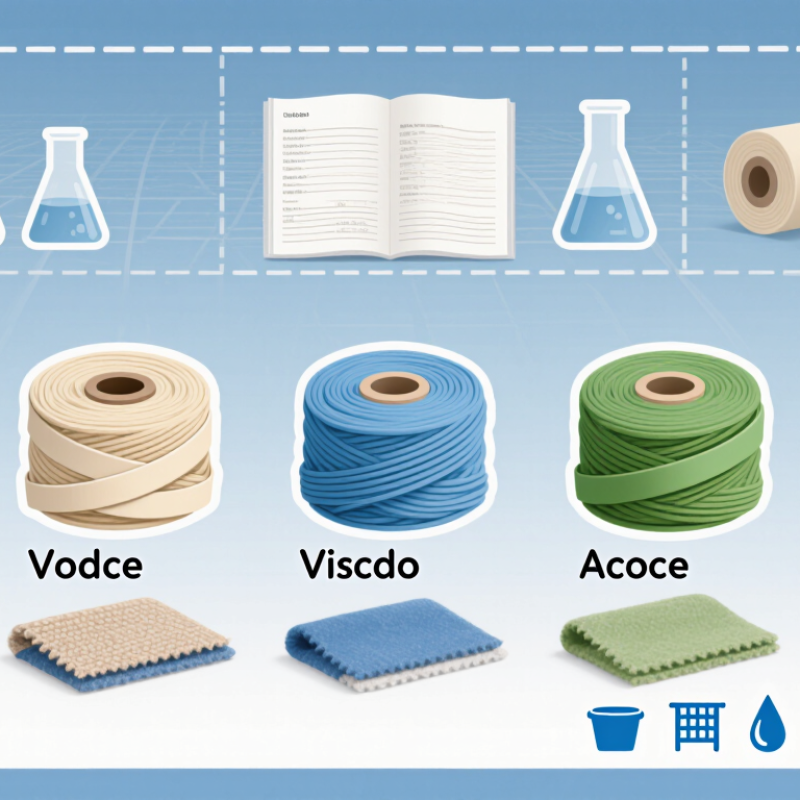
Cellulose fibers fall into natural and regenerated groups. Cotton and hemp grow as plant fibers; viscose, modal, and lyocell are made by dissolving cellulose pulp and reforming it into filaments.
Textile Exchange’s 2024 Materials Market Report estimates global fiber production reached 124 million tonnes in 2023. Man-made cellulosic fibers accounted for about 7.9 million tonnes, or 6.4 percent. These figures show their scale, but not their full environmental footprint.
Cotton is familiar and versatile, though thirsty production regions may face water pressure. Hemp’s bast fibers can feel firm and textured; retting and mechanical processing affect the final handle. A useful distinction. Viscose usually offers soft drape, while modal is engineered for properties such as softness and strength.
Lyocell uses a solvent-spinning process, often with high solvent recovery, but performance varies by mill. Regenerated fibers can share a wood-pulp feedstock yet differ in processing, fabric feel, and impacts.
Buyers should ask for feedstock traceability, processing details, and evidence behind environmental claims. A fiber name alone is not enough. Even a preferred choice may involve trade-offs; a fabric sample can reveal stiffness or surface fuzz that a specification sheet misses.
Compare Fiber Properties: Strength, Moisture, Drape, and End Use by Type
Cellulose fibers can feel very different once spun and finished. Cotton offers dependable strength and absorbs sweat well, making it practical for shirts, towels, and everyday bedding. Its hand can range from crisp to soft. Linen, also cellulose-based, is notably strong and dries quickly, but its textured surface and natural creasing may not suit every buyer. It works well in warm-weather clothing and table linens.
Viscose rayon creates fluid drape and takes up moisture readily, so it suits dresses and linings. Its strength can drop when wet; gentle laundering may matter. Modal generally keeps its strength better in wet conditions and feels smooth in underwear, sleepwear, and soft knits. Lyocell combines good strength with moisture absorption and a cool, supple drape, making it useful for shirts, trousers, and bedding. Feel the difference. Fiber names alone do not guarantee performance: yarn twist, fabric weave, blends, and finishing all change the result. A sample wash is worth the effort, though it may not predict every production batch perfectly.
2026 Top Cellulose Fiber Types for Global Buyers
Compare typical fiber characteristics to help match material choice with product performance and end use.
Ratings are qualitative comparisons on a 1–5 scale, where 5 indicates a stronger relative characteristic. They are directional guides, not standardized laboratory results; performance varies with fiber grade, yarn, fabric construction, and finishing.
| Fiber type | Common end uses |
| Cotton | Apparel, denim, towels, bedding |
| Flax (linen) | Shirts, dresses, table linens, home textiles |
| Hemp | Apparel blends, canvas, home textiles |
| Viscose rayon | Dresses, blouses, linings, soft furnishings |
| Modal | Underwear, loungewear, soft apparel, bedding |
| Lyocell | Apparel, denim, bedding, nonwovens |
Check Sourcing and Processing: Certified Pulp and Lenzing’s >99% Lyocell Solvent Recovery
Cellulose fiber sourcing begins with the pulp, not the fabric label. Textile Exchange’s Materials Market Report 2024 puts global fiber production at 124 million tonnes in 2023. Manmade cellulosic fibers accounted for about 7.9 million tonnes. That scale makes traceability more than paperwork. Buyers should request current chain-of-custody certificates, pulp origin, and mill-level production details. Check that the certificate covers the actual supplier and product, not merely a parent company. Ask for audit dates, too. A polished certificate can still leave gaps.
Processing deserves equal scrutiny. A 2023 sustainability report from a European lyocell producer reports solvent recovery above 99% in its process. That matters. Lyocell uses a solvent loop, but a recovery percentage alone does not describe total environmental performance. Ask how the figure is calculated, which plant it covers, and whether it includes losses during production. Numbers need context. Compare energy use, water use, wastewater controls, and fiber yield alongside recovery rates. Where possible, request independently verified data for the specific mill. A small reporting gap may not signal poor practice, but it should invite another question.
Set 2026 Buying Criteria: Cost, Certifications, Traceability, and Supply Risk
2026 Top Cellulose Fiber Types for Global Buyers
Set 2026 Buying Criteria: Cost, Certifications, Traceability, and Supply Risk
Cellulose fibers such as viscose, modal, and lyocell differ in processing, price, and sourcing risk. Compare landed cost, not just the quoted price per kilogram. Include freight, minimum order quantities, production yield, and expected lead times. A cheaper fiber can become costly when shipments slip or fabric waste rises.
Textile Exchange’s Materials Market Report 2024 estimates global fiber production reached 124 million tonnes in 2023, including about 7.9 million tonnes of man-made cellulosic fibers. That scale makes precise sourcing questions worthwhile. Ask suppliers to identify the forest source, pulp mill, and fiber-production site. Check whether forest and chain-of-custody certificates cover the relevant sites and products, and confirm their validity. Paperwork helps. It is not proof.
Supply risk needs its own score. Compare backup pulp sources, shipping routes, and disclosed lead times before committing volume. FAO’s Global Forest Resources Assessment 2020 estimated deforestation at 10 million hectares annually in 2015–2020. That global figure is context, not evidence against a specific fiber. One gap in many buying sheets is how poorly they capture disruption risk. Record what suppliers cannot verify, too; uncertainty is a purchasing factor, not a footnote.