
post thumbnail
Our pricing model is flexibly designed to give you the most possible advantages of a continuing partnership.

China Top Safety Lockout Padlock Manufacturers

Choosing among China’s top safety lockout padlock manufacturers calls for more than comparing prices or catalog photos. Safety Lockout Padlocks help workers identify and secure equipment during maintenance, but a padlock is only one part of a complete lockout procedure. Fit matters. A bright red or yellow body may be easy to spot on a crowded panel, while a durable shackle and clearly marked key can help reduce mix-ups across shifts.

Manufacturers differ in materials, keying systems, customization options, production capacity, and quality controls. Buyers should ask specific questions: Is the body suitable for the site’s temperature and chemical exposure? Can each worker receive a uniquely keyed lock? Are samples available for checking shackle clearance and label readability? These details often reveal more than polished product images. Still, no supplier’s brochure can replace a practical inspection.

This guide introduces key factors for assessing Chinese manufacturers, including product design, factory capability, documentation, communication, and after-sales support. It also explains why certificates and test reports should be checked for scope, date, and relevance to the intended market. A low quotation may look attractive, yet inconsistent keys or delayed replacement parts can create real operational friction. The best choice depends on the equipment, workforce, and maintenance routines involved. There is no universal winner. Careful comparison, clear specifications, and a small sample order can help buyers make a more confident decision.
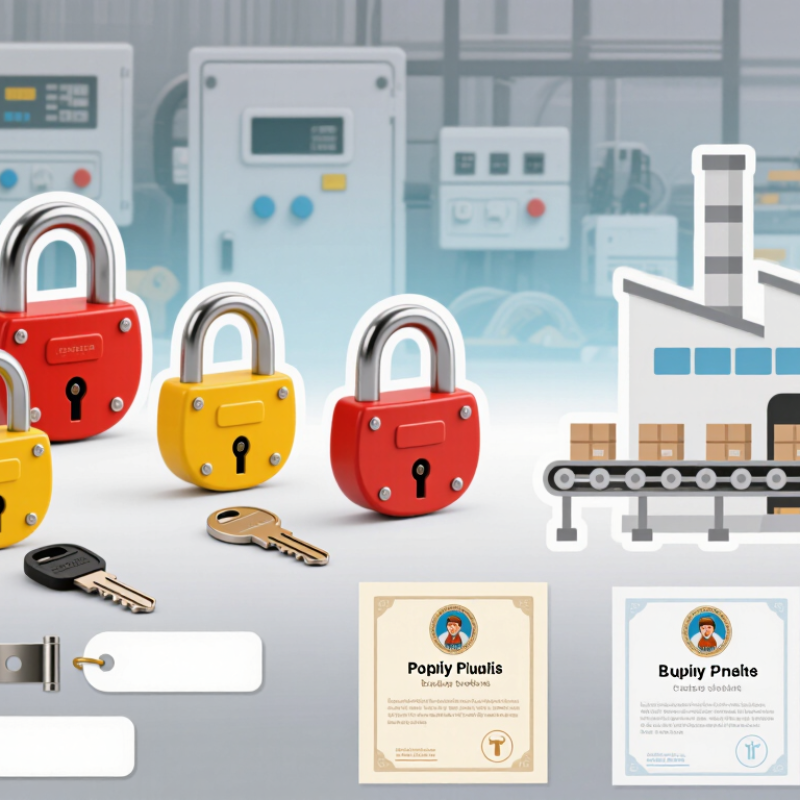
China Top Safety Lockout Padlock Manufacturers

What Are Safety Lockout Padlocks and Why Do They Matter?

A safety lockout padlock helps keep a machine’s energy-isolating device in the off position during maintenance. A worker attaches the lock to a breaker, valve, or other isolation point, then keeps the key. The lock is a physical reminder: do not restart this equipment. It is small, but its role is serious. A red lock on a control panel can prevent a colleague from restoring power while someone’s hands are inside a machine.

The U.S. Occupational Safety and Health Administration estimates that effective control of hazardous energy could prevent about 120 fatalities and 50,000 injuries each year. These figures concern lockout/tagout practices overall, not padlocks alone. That distinction matters. A padlock cannot replace training, clear procedures, or verification that stored energy has been released. Before work begins, employees should test the equipment and confirm it cannot operate. The key should stay with the person exposed to the hazard.

A suitable lock needs a clearly identifiable owner, durable markings, and a shackle that fits the isolation point. In damp workshops, oil, dust, and repeated handling can wear down labels or mechanisms. Inspect locks regularly. Replace damaged ones promptly. A lock may look secure and still be poorly managed. Good systems depend on people following the steps, even when production is waiting.

Why safety lockout padlocks matter: They help keep energy-isolating devices secured during servicing. OSHA’s general lockout/tagout procedure covers preparation, shutdown, isolation, applying lockout devices, controlling stored energy, and verifying isolation. Follow the equipment-specific energy-control procedure; this chart shows sequence, not risk or performance.

Key Features of China-Made Safety Lockout Padlocks

China Top Safety Lockout Padlock Manufacturers

Key Features of China-Made Safety Lockout Padlocks

A safety lockout padlock should be easy to identify and dependable in daily use. Many China-made models use reinforced nylon bodies and corrosion-resistant shackles. These materials can help resist electrical contact and harsh worksite conditions, but buyers should verify the specifications for each model. A bright red or yellow body stands out against gray machinery. Clear engraved numbers or durable labels also help workers distinguish locks quickly.

Key control matters just as much as body strength. Key-retaining designs prevent the key from being removed while the shackle is open, reducing the chance of an unsecured lock being left behind. Options may include keyed-different locks for individual workers or keyed-alike sets for controlled group use. Check that the keying plan matches actual site procedures. Small mismatch, big confusion.

Look closely at practical details: shackle diameter, clearance, body size, and label space. A lock that cannot fit through a hasp is no use, even if its materials look excellent. Ask manufacturers for material data, sample units, and test records relevant to the intended environment. Then inspect the padlock in person, including its key movement and label adhesion. Specifications help, but real handling can reveal awkward edges or stiff operation. Not every product detail is perfect, and that is worth checking before purchase.

How to Evaluate Chinese Lockout Padlock Manufacturers

China Top Safety Lockout Padlock Manufacturers

How to Evaluate Chinese Lockout Padlock Manufacturers

A reliable supplier should prove performance, not only display attractive product photos. The ILO estimated nearly three million work-related deaths annually worldwide. Its 2023 report also recorded about 395 million non-fatal occupational injuries. These figures make lockout equipment a serious purchasing decision.

Ask for material specifications, shackle hardness, body composition, and corrosion-test results. A suitable padlock should resist common industrial chemicals, moisture, and rough handling. Check whether the key remains captive when unlocked, if your procedure requires it. Request independent laboratory reports and test methods. Certificates without traceable report numbers deserve careful questioning.

OSHA states that effective hazardous-energy control can prevent approximately 120 workplace deaths and 50,000 injuries each year. Compare the manufacturer’s design with OSHA 29 CFR 1910.147 and relevant ANSI/ASSP Z244.1 principles. Review production records, batch identification, inspection plans, and corrective-action procedures. A factory audit should include machining, assembly, key control, and final testing areas.

Order samples before approving bulk production. Measure shackle clearance and test operation with gloves. Try several keys after repeated use. Some suppliers provide excellent samples but inconsistent batches; this is an uncomfortable risk worth exposing early. Ask for documented quality data, not confident promises. Delivery history, export experience, and responsive technical support also reveal practical reliability.

Manufacturing Standards, Quality Control, and Customization Options

China’s leading safety lockout padlock manufacturers are evaluated by more than price or appearance. Manufacturing should follow a documented quality system, such as ISO 9001, with controlled drawings and traceable production records. Operators inspect brass, nylon, or steel components before assembly. Each batch needs dimensional checks for shackle diameter, body fit, and key operation.

Reliable factories test padlocks under realistic conditions. They may measure shackle pull strength, repeated locking cycles, corrosion resistance, and temperature performance. Visual inspection matters too. A rough edge can damage gloves. A loose keyway can weaken user confidence. Samples should be checked against approved specifications, not personal judgment. Certificates help, but they do not replace factory records or independent testing. That point is often missed.

Customization should support workplace identification without reducing safety. Buyers can request color-coded bodies, laser-marked numbers, multilingual labels, keyed-alike systems, or individually keyed units. Packaging can include inspection sheets and batch codes. For large orders, a pre-production sample is practical. Check the engraving depth, key fit, and shackle movement by hand. Small errors appear there. Some manufacturers accept custom dimensions too, although unusual designs may require new tooling and additional validation. A useful supplier explains these limits clearly instead of promising everything.

How to Choose the Right China Lockout Padlock Supplier

Choosing the right China lockout padlock supplier requires more than comparing unit prices. In practical sourcing, inspect the factory’s material control, machining process, and final testing. A reliable supplier should explain shackle material, body construction, key control, and operating temperature. Request samples, production photos, and test records. The sample should open smoothly after repeated cycles. Small details matter. Check whether the lock works with gloves and remains readable after dust exposure. A low price may hide thin shackles, weak springs, or inconsistent key cutting.

Evaluate manufacturing discipline, not polished claims. Request a clear quality process from incoming materials to final inspection. Confirm batch traceability, defect handling, replacement terms, and realistic lead times. Suppliers with in-house machining or stable production partners often explain technical limits more clearly. Ask about color coding, laser marking, keying options, and packaging. Do not accept vague answers. I have seen promising samples fail when mass production changed the shackle finish. That risk needs discussion before payment. No factory is perfect.

Tips: Compare at least three samples under identical conditions. Measure shackle diameter and body weight. Test key operation repeatedly. Request a video of assembly and final inspection. Clarify minimum order quantities, delivery dates, and inspection arrangements in writing. An independent pre-shipment check can reveal uneven coating, incorrect markings, or missing keys. Fast replies help, but communication alone is not proof. Recheck documents and inspect a production batch.

China Top Safety Lockout Padlock Manufacturers - How to Choose the Right China Lockout Padlock Supplier

Selection Dimension What to Compare Questions to Ask the Supplier Evidence to Request
Product application Confirm that the padlock is designed for energy-isolation and lockout/tagout use, and is compatible with the equipment and lockout devices in your facility. Which applications and lockout devices is this model intended for? Can you provide dimensional drawings? Product datasheet, drawings, and a sample for fit testing.
Body and shackle materials Compare body and shackle materials against the site’s electrical, corrosion, temperature, and environmental requirements. Nonconductive body materials and metal shackles serve different purposes. What are the body and shackle materials? Are material options available for corrosive or outdoor environments? Material specifications and, where relevant, test reports for the stated environment or performance.
Shackle dimensions Check shackle diameter, usable clearance, and overall dimensions against valve, breaker, and hasp openings. Do not rely on appearance alone. What are the shackle diameter and usable height? Are alternate shackle lengths available? Dimensioned drawings and samples measured against your intended lockout points.
Keying and key control Choose a keying arrangement that supports your site’s lockout procedure, such as individually keyed locks or an approved group-key system. How are key codes assigned and controlled? Can you document the keying arrangement and manage replacement orders? Written keying plan, sample keys, and documented procedures for key-code control.
Identification and customization Assess whether labels, color options, engraving, or other identification methods meet your maintenance and employee-identification needs. Which identification options are available, and how are they checked for legibility and durability? Marking samples, artwork proof, and details of any durability testing performed.
Quality management Review the supplier’s quality controls, inspection process, traceability, and handling of nonconforming products. How are incoming materials and finished padlocks inspected? Can production batches be traced? Quality procedures, sample inspection records, and any applicable quality-management certificate with its current scope and validity verified.
Testing and compliance Match product testing and documentation to the regulations, standards, and internal safety requirements applicable in your destination market. Which requirements does the product claim to meet, and what test methods and results support each claim? Relevant test reports and certificates; verify issuer, model coverage, scope, and validity independently.
Production capacity and lead time Confirm that the supplier can meet the required order volume, packaging needs, and repeat-order schedule. What are the sample, production, and repeat-order lead times? How are delays communicated? Written quotation, production schedule, and confirmation of the order’s specifications and delivery terms.
Packaging and shipment Check packaging protection, carton labeling, export documentation, and suitability for the shipping route and storage conditions. How are products packed and labeled? Which shipping and export documents can be provided? Packaging specification, carton-marking sample, and a list of documents for the proposed shipment.
Samples and supplier verification Evaluate product consistency and communication before placing a bulk order. Verify the supplier’s legal identity and manufacturing or sourcing role. Can you provide pre-production samples and identify which facility will make or supply the product? Samples, company registration details, facility information, and a written specification sheet for the quoted model.
Warranty and after-sales support Clarify coverage, exclusions, defect reporting, replacement arrangements, and support for repeat orders. What is the warranty period and claims process? How are product issues investigated and resolved? Written warranty terms, claims procedure, and named service contact or support channel.