post thumbnail
Our pricing model is flexibly designed to give you the most possible advantages of a continuing partnership.

China Top Solids Control Agitator Manufacturers

China’s leading Solids Control Agitator manufacturers are gaining attention across drilling, mining, and industrial separation operations. Their equipment helps keep barite, drilled cuttings, and other suspended solids evenly distributed inside mud tanks. A reliable agitator can prevent settled layers, reduce pump strain, and support steadier fluid properties.

Drilling-fluid specialist Dr. David Whitworth states, “Good equipment earns trust through repeatable field performance, not catalogue claims.” That principle matters when comparing Chinese suppliers. A serious evaluation should examine motor efficiency, shaft strength, impeller design, gearbox protection, sealing quality, and maintenance access. It should also review factory testing, material certificates, quality-control records, and documented field experience.

Small details reveal practical competence. A well-designed unit should start smoothly, maintain stable torque, and avoid excessive vibration near a crowded tank walkway. Operators notice noise, heat, leakage, and difficult bolt removal long before a brochure does. Site conditions also matter. Mud density, tank geometry, ambient temperature, and continuous operating hours can change the correct configuration.

This guide introduces China’s top Solids Control Agitator manufacturers through a practical comparison of engineering ability, customization, production capacity, service response, and value. Some supplier claims may remain difficult to verify. That is worth acknowledging. A low purchase price can look attractive, yet weak after-sales support may create expensive downtime. Readers should confirm performance data independently and match every model with actual field requirements.

China Top Solids Control Agitator Manufacturers

What Solids Control Agitators Are and Why They Matter

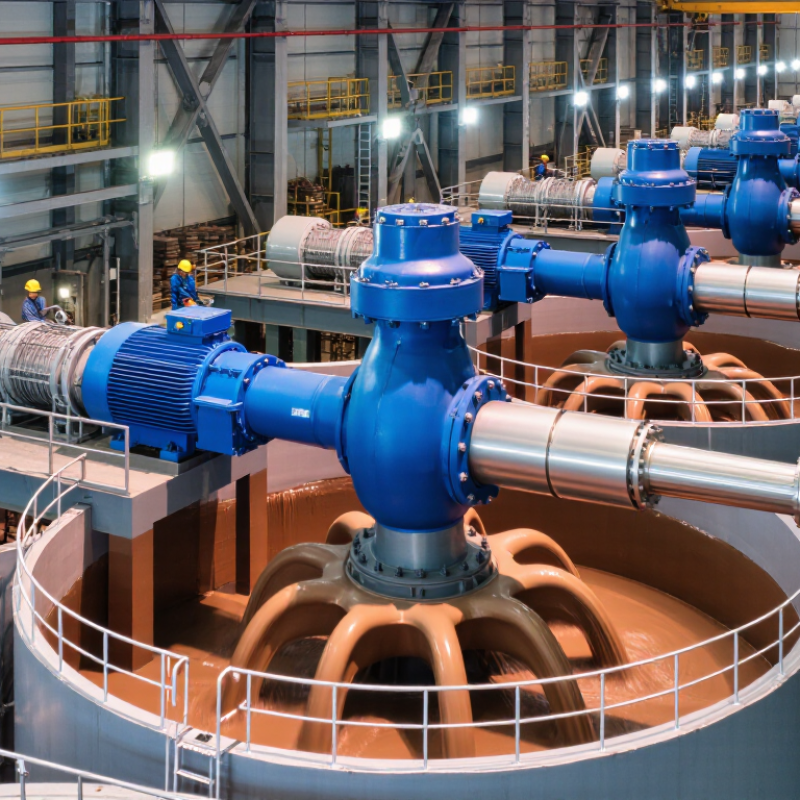
Solids control agitators are mechanical devices installed on drilling fluid tanks. A motor drives an impeller through a shaft. The rotating blades keep drilled cuttings, weighting agents, and other solids suspended in the fluid. Without steady movement, heavy particles settle on the tank floor and form compact layers.

This equipment matters because uniform drilling fluid supports safer, more predictable processing. A well-mixed tank helps pumps receive consistent fluid. It also improves the performance of shale shakers, desanders, desilters, and centrifuges. In practical field work, operators may notice poor agitation when the suction line begins pulling thick sludge. Flow becomes uneven. Cleaning then takes longer.

Agitator selection requires more than checking motor power. Tank size, fluid density, viscosity, impeller diameter, shaft length, and expected solids loading all affect performance. Manufacturers in China often produce units for different tank layouts and operating conditions. Reliable suppliers should provide material details, rotation data, sealing information, test records, and maintenance guidance.

I have seen a common mistake: choosing a powerful motor while ignoring impeller placement. Power alone cannot remove dead zones. A better design creates circulation across the tank, including corners and lower sections. Even then, field conditions can change. Mud properties may differ from laboratory assumptions. Regular inspection is still necessary. Small issues become expensive quickly.

How China’s Solids Control Agitator Industry Has Developed

China Top Solids Control Agitator Manufacturers

China’s solids control agitator industry has developed from basic fabrication into application-focused equipment engineering. Earlier units often copied imported structures. Today, manufacturers increasingly design agitators around mud density, tank geometry, shear demand, and maintenance access.

The National Bureau of Statistics reported that China’s industrial value-added output grew by 5.8% in 2024. This wider manufacturing expansion supported better machining, welding, motor integration, and quality-control systems. A Grand View Research report estimates the global industrial agitator market will grow at about 4.9% annually through 2030. That figure covers several industries, not only drilling equipment. Still, it shows why Chinese suppliers are investing in customized mixing solutions.

Field experience reveals a less polished picture. Some units perform well during factory tests but lose efficiency when solids settle in cold, overloaded tanks. Energy use also varies sharply between similar designs. This gap needs honest testing, not attractive brochures. Manufacturers are improving impeller profiles, shaft sealing, vibration control, and corrosion resistance. Digital monitoring is growing, but adoption remains uneven among smaller workshops.

Tips: Check torque at the highest expected mud density. Ask for test records using comparable tank dimensions. Inspect welds, guards, spare-part availability, and motor protection ratings. A lower purchase price can become expensive after repeated shutdowns.

Key Types and Technical Features of Chinese Agitator Manufacturers

China’s solids control agitator manufacturers commonly supply top-entry, side-entry, and pneumatic models for drilling fluid tanks. Each type suits a different mixing duty.

Top-entry agitators use vertical shafts and are widely installed on rectangular mud tanks. Their axial-flow impellers circulate weighted fluid with lower dead zones.

Side-entry units fit limited headroom and can simplify maintenance.

Pneumatic agitators are useful where electric power needs careful control. However, air-driven models may consume more energy during continuous operation.

Technical selection starts with tank volume, fluid density, viscosity, and required turnover time. Chinese manufacturers often provide direct-drive or geared motors, variable-frequency control, and replaceable impellers. Common materials include painted carbon steel, stainless steel, and wear-resistant alloys. Shaft diameter matters. A weak shaft can create vibration when barite settles near the tank floor.

Reliable suppliers should show motor efficiency, insulation class, protection rating, torque data, and shaft-seal details. Factory testing may include no-load vibration checks, insulation testing, and trial rotation. Ask for measured results, not only catalog promises.

A practical inspection should also examine weld penetration, coupling alignment, drain access, and spare-part availability.

Some designs appear technically complete but overlook cleaning time. That is a costly weakness.

In field use, operators often value easy access more than impressive figures. The best choice balances mixing performance, maintenance space, local service, and verified operating conditions.

How to Evaluate China’s Leading Solids Control Agitator Suppliers

China Top Solids Control Agitator Manufacturers

How to Evaluate China’s Leading Solids Control Agitator Suppliers

China’s solids control agitator market is growing with global drilling activity. Grand View Research valued the drilling fluids market at about USD 8.56 billion in 2023. Its forecast indicates a 4.6% annual growth rate through 2030. Mordor Intelligence also expects steady expansion, although its market estimates differ. This gap matters. Buyers should compare evidence, not promotional figures.

Start with engineering documentation. Ask for rated power, shaft speed, impeller diameter, tank capacity, and fluid viscosity limits. Suppliers should reference API Spec 13C requirements where applicable. Request material certificates for shafts, housings, and wear components. A reliable manufacturer can provide drawings, inspection records, factory acceptance testing, and vibration results. The spreadsheet is not enough.

Review field experience carefully. Request anonymized installation data from similar mud systems, including operating hours and maintenance intervals. Check whether the supplier tests performance under high-solids conditions. Ask about mechanical seals, bearing life, spare-part availability, and response times. A lower quotation may hide weak after-sales support. I would also inspect the factory, welding controls, balancing equipment, and quality procedures. One weakness remains: many evaluations reward price more than lifecycle cost. Calculate energy use, replacement frequency, downtime exposure, and warranty coverage before choosing a supplier.

Applications, Quality Standards, and Export Considerations

China’s top solids control agitator manufacturers support drilling, mineral processing, wastewater treatment, and industrial mixing operations. Their equipment keeps weighted fluids uniform inside mud tanks and prevents settled solids from blocking suction lines. In field applications, impeller size, shaft length, tank depth, and fluid viscosity must match carefully. A powerful motor alone does not guarantee reliable mixing.

Quality control should cover material certificates, weld inspection, shaft alignment, seal performance, and motor protection. Many professional factories follow ISO 9001 systems and provide documented factory testing. Testing should include vibration, temperature rise, rotation direction, and no-load current. Small defects matter. A loose coupling can create expensive downtime after installation. Buyers should request inspection records, drawings, spare parts lists, and clear acceptance criteria before production.

Export orders require more than a translated quotation. Confirm voltage, frequency, motor efficiency, enclosure rating, cable entries, and destination-specific electrical requirements. Wooden cases should resist moisture and include lifting marks. Stainless or coated parts need protection against salt air during long shipments. Customs documents should match the packing list, invoice, and product description. Installation manuals should show foundation dimensions and lubrication points. Remote technical support is useful, but response quality may vary between suppliers. A pre-shipment video inspection can reveal labeling errors or missing accessories. Many buyers overlook this simple step.

China Top Solids Control Agitator Manufacturers - Applications, Quality Standards, and Export Considerations

Evaluation Dimension Application or Requirement Practical Technical Data Relevant Quality Reference Recommended Verification Evidence Export Consideration
Primary Industry Oil and gas drilling-fluid processing Maintains barite and drilled-solids suspension in active mud tanks and reserve pits. Project specification, drilling-fluid program, and applicable site safety rules. Application references, process datasheet, tank layout, and duty-point confirmation. Confirm tank dimensions, operating temperature, local electrical requirements, and installation conditions before quotation.
Secondary Industries Mining, mineral processing, wastewater treatment, and industrial slurry handling Used for suspension, blending, dilution, and prevention of solids settling in process tanks. Chemical compatibility and process-equipment requirements applicable to the end use. Material certificates, corrosion assessment, slurry data, and performance test records. Check whether the destination country requires additional environmental, electrical, or pressure-equipment documentation.
Mixing Duty Solids suspension and uniform fluid composition Selection depends on tank volume, fluid density, viscosity, solids concentration, settling velocity, and required turnover time. Process design calculations and purchaser-approved performance criteria. Signed calculation sheet showing power, speed, impeller geometry, and expected mixing result. Provide complete operating data in metric and, where required, imperial units to avoid sizing errors.
Drive System Electric motor with gearbox or direct-drive arrangement Common selection factors include motor power, output speed, service factor, starting torque, and continuous-duty rating. IEC 60034 may apply to rotating electrical machines; the exact motor specification is project-dependent. Motor datasheet, efficiency information, nameplate details, gearbox data, and factory inspection report. Verify destination voltage, frequency, phase, motor efficiency class, cable entry, and mounting arrangement.
Explosion Protection Use in classified areas where flammable gas, vapor, or dust may be present Required protection level depends on hazardous-area classification, gas or dust group, temperature class, and equipment category. IEC 60079 series and ATEX 2014/34/EU may apply when specified by the installation or destination market. Valid Ex certificate, marking details, conformity documentation, and certified component list. Do not assume a standard motor is suitable for hazardous areas; confirm certification acceptance with the end user.
Wetted Materials Resistance to abrasive drilling mud, mineral slurry, salts, and treatment chemicals Material choice may include carbon steel, coated steel, or stainless steel according to abrasion, corrosion, and temperature conditions. Material grade must follow the approved engineering specification and chemical-compatibility assessment. Material Test Certificates, coating data sheets, weld records, and corrosion allowance documentation. Clarify whether documents must comply with EN, ASTM, or other purchaser-designated material systems.
Impeller Design Low-speed axial flow, high-solids suspension, or customized mixing duty Blade number, diameter, pitch, clearance, rotation direction, and speed affect flow pattern and power consumption. Engineering calculation and purchaser-approved drawings are the primary control documents. Dimensional drawing, balance report, rotation-direction marking, and inspection measurements. Confirm whether the impeller is shipped assembled or separately packed and identify lifting requirements.
Shaft and Mechanical Integrity Continuous operation under torque, bending load, vibration, and abrasive service Key checks include shaft diameter, critical speed, bearing capacity, coupling alignment, and weld quality. ISO 1940-1 may be used for rotor balancing requirements when referenced by the project. Dynamic balancing report, dimensional inspection report, alignment record, and vibration test results. Request spare-shaft, bearing, seal, and coupling part numbers for future maintenance and customs documentation.
Manufacturing Quality System Consistent control of design, purchasing, fabrication, inspection, and nonconforming products Traceable production records should connect raw materials, components, inspections, and final equipment. ISO 9001 certification is commonly requested as evidence of a quality-management system. Current certificate, organization scope, audit validity, quality plan, and inspection-and-test plan. Check whether the certificate scope covers design and manufacturing of mixing or solids-control equipment.
Factory Acceptance Testing Confirmation that the completed agitator meets agreed mechanical and electrical requirements Typical checks include no-load running, rotation direction, vibration, noise, current, insulation, dimensions, and accessories. The approved inspection-and-test plan defines mandatory tests and acceptance limits. Signed FAT report, calibration certificates, inspection photographs, and punch-list closure record. Agree witness points, hold points, remote inspection options, and document language before production begins.
Documentation Package Operation, installation, maintenance, inspection, and regulatory support Should normally include manuals, general arrangement drawings, wiring diagrams, spare-parts lists, and certificates required by the contract. Document requirements are determined by the purchase order, end-user specification, and destination regulations. Document index, revision-controlled drawings, test records, certificates, and final data book. Confirm language, electronic-file format, legalization, notarization, and document retention requirements.
Packaging and Preservation Protection during inland transport, port handling, ocean freight, and storage Packaging should control moisture, corrosion, impact, movement, and contamination of machined or electrical parts. ISPM 15 applies to regulated solid-wood packaging used in international trade. Packing list, crate photographs, preservation instructions, gross and net weights, and package dimensions. Confirm fumigation or heat-treatment marks, container loading plan, center of gravity, and lifting points.
Commercial and Customs Data Cross-border purchase, customs clearance, and payment processing Core documents normally include a commercial invoice, packing list, transport document, and certificate of origin when required. HS classification and import requirements must be confirmed with the relevant customs authority or licensed broker. Consistent product description, quantity, value, country of origin, weights, and serial-number records. Use an agreed Incoterm under Incoterms® 2020 and define responsibility for freight, insurance, duties, and clearance.
After-Sales Support Commissioning, troubleshooting, preventive maintenance, and spare-parts supply Important factors include response time, remote technical support, service instructions, warranty terms, and parts availability. Warranty and service obligations should be stated in the purchase contract. Service network information, recommended-spares list, warranty certificate, and commissioning checklist. Define local service responsibility, travel costs, response time, replacement-part lead time, and technical communication language.

Note: Applicable standards, certifications, electrical specifications, and customs requirements must be confirmed against the project specification and destination-country regulations.