Top 5 CNC Machining Techniques You Need to Know?
CNC machining has transformed the manufacturing landscape. This technology allows for precision and efficiency that traditional methods cannot achieve. Businesses today rely on CNC machining for everything from prototypes to mass production.
Understanding different CNC machining techniques is vital. Each method has its unique applications and advantages. For example, some techniques focus on metals while others are better suited for plastics. Unfortunately, many businesses overlook certain techniques that could enhance their production. They stick to what they know, missing valuable opportunities.
Exploring the top CNC machining techniques will help you stay competitive. You'll gain insight into innovations and best practices. With the right knowledge, you can optimize your manufacturing process and reduce costs. Embracing change is crucial; it may lead to improved outcomes.
Understanding CNC Machining: Definition and Overview of Techniques
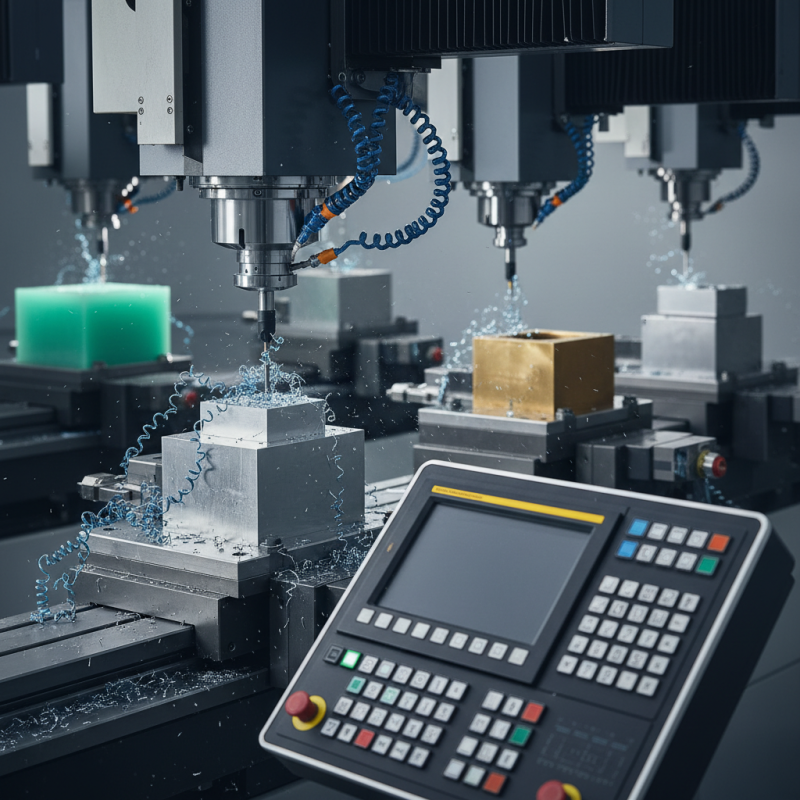
CNC machining is a crucial method in modern manufacturing. It stands for Computer Numerical Control. This technique automates machine tools. It can be used for cutting, drilling, and shaping materials. Knowing how it works is essential for engineers and machinists.
Here are a few tips to familiarize yourself with CNC machining techniques. First, start with the basics. Understand the differences between milling, turning, and grinding. Each technique has its own usage and benefits. Depending on the product, one may be more suitable than another.
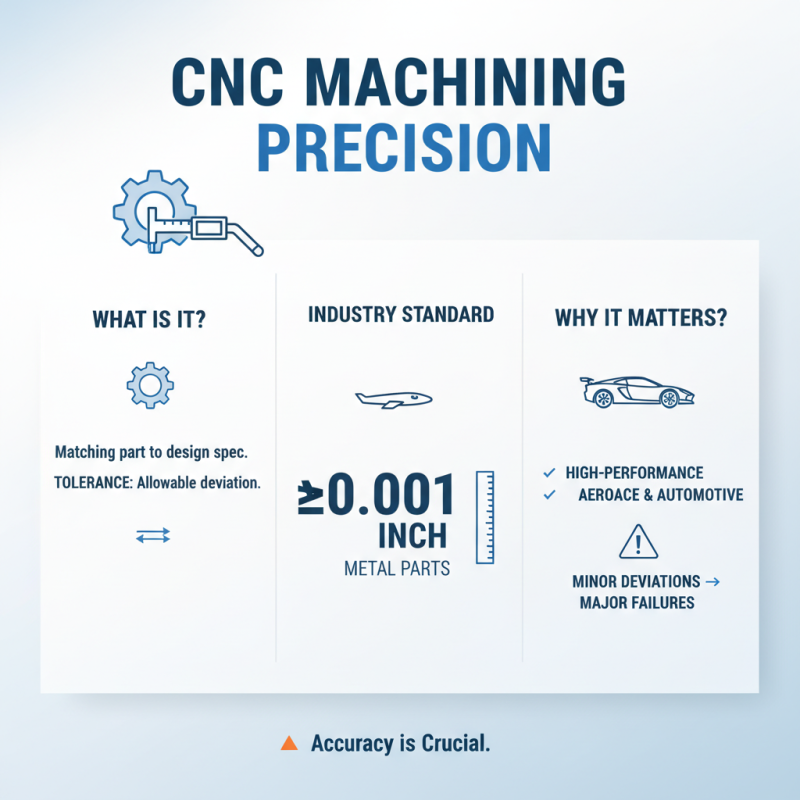
Practice is key. Engage in hands-on projects. This will help develop your skills. Mistakes can happen. Analyze them to improve your technique. Precision is vital in CNC machining. Use quality materials to ensure better results. Remember, a small error can lead to significant issues later on.
Top 5 CNC Machining Techniques You Need to Know
Top Materials Used in CNC Machining: Metrics and Applications
CNC machining relies heavily on the choice of materials. Some materials are more common due to their unique properties. Metals like aluminum and steel are popular. They offer strength and durability, making them suitable for various applications. However, they can be challenging to machine. Precision is key, and minor errors can lead to significant issues.
Plastics are also widely used in CNC machining. They are lightweight and easy to work with. Acrylic and nylon are great examples. They provide excellent surface finishes. However, they might not always withstand high temperatures. This limits their use in certain industries. Additionally, some materials can produce unwanted chips or residues during machining.
Wood is another material worth considering. It’s versatile and aesthetically pleasing. CNC machines can create intricate designs in wood. Yet, wood grain patterns can complicate the machining process. Variability in density may lead to inconsistent cutting. Each material has its challenges, and careful consideration is essential to achieving the best results.
Top 5 CNC Machining Techniques You Need to Know
| CNC Machining Technique |
Materials Used |
Applications |
Advantages |
| Milling |
Aluminum, Steel, Brass |
Parts production, Prototyping |
Versatile, Complex shapes |
| Turning |
Plastics, Stainless Steel, Aluminum |
Cylindrical parts, Shafts |
High precision, Efficient material removal |
| EDM (Electrical Discharge Machining) |
Tool Steel, Titanium |
Die manufacturing, Complex geometries |
Excellent accuracy, Ideal for hard materials |
| Laser Cutting |
Wood, Plastic, Metal |
Signage, Artwork, Industrial components |
Clean cuts, Minimal waste |
| 3D Printing |
PLA, ABS, Nylon |
Prototyping, Customized products |
Low material waste, Rapid prototyping |
Comparative Analysis of CNC Techniques: Efficiency and Cost Metrics
CNC machining encompasses various techniques, each with its efficiency and cost metrics. Among the top techniques are milling, turning, laser cutting, and electrical discharge machining (EDM).
Studies show that CNC milling offers the fastest production speed at 50% greater efficiency compared to traditional methods. This can lead to a substantial reduction in turnaround time and labor costs.
EDM, on the other hand, excels in precision. Reports indicate that EDM can achieve tolerances as fine as 0.0001 inches. Yet, it also comes with a higher operational cost. Businesses must weigh the benefits of speed against the investment.
For components requiring intricate designs, the cost of precision might be justified, creating a complex decision-making scenario.
Tips: When choosing a CNC technique, assess both production requirements and budget constraints. Collaborating with skilled engineers can fine-tune your approach. Experimenting with different methods can reveal hidden efficiencies. Always be prepared to reevaluate techniques as technology evolves. Consider conducting regular cost-performance analyses to ensure optimal decision-making.
Future Trends in CNC Machining: Advanced Technologies and Innovations
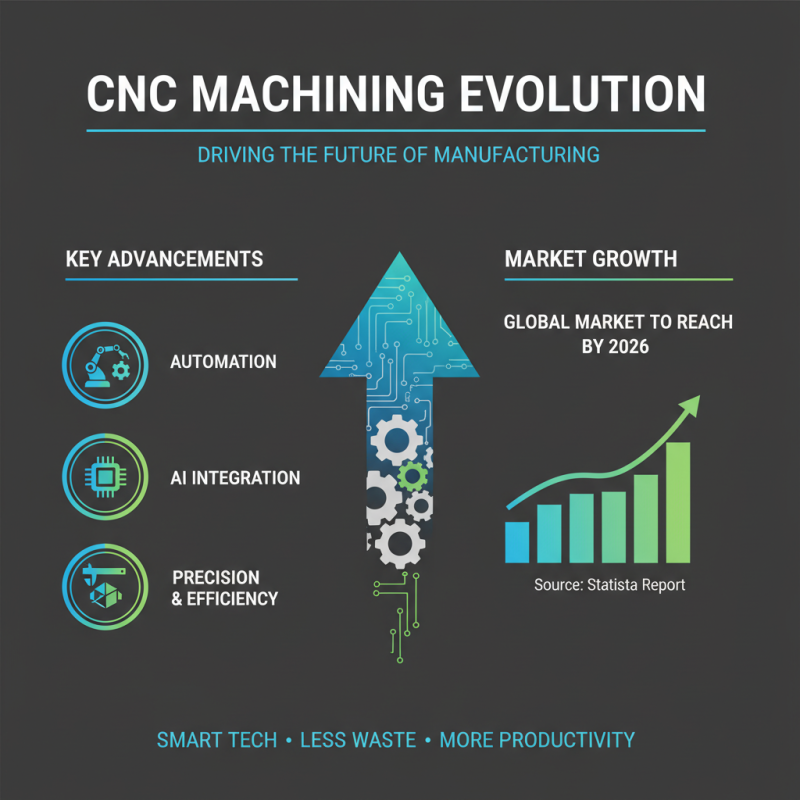
CNC machining is evolving rapidly. Advanced technologies are at the forefront of this change. A recent report from Statista indicates that the global CNC market is expected to reach $102 billion by 2026. This growth is driven by automation and smart technologies. Integration of AI enhances precision and minimizes waste.
3D printing is becoming more prevalent in CNC operations. This technique pairs well with traditional machining. A study noted a 30% increase in efficiency when combining both methods. However, challenges exist. The technical skill gap remains a hurdle for many shops. Workers must adapt to these innovations, or they risk falling behind.
New materials are also emerging, allowing for lighter and stronger components. The aerospace and automotive industries are particularly interested in these advancements. Yet, the cost associated with implementing these technologies can be prohibitive. Many companies must reassess their budgets while navigating these changes. Opportunities are abundant, but challenges persist.