
post thumbnail
Our pricing model is flexibly designed to give you the most possible advantages of a continuing partnership.

Top 10 Packaging Machinery Trends You Should Know?

In today's fast-paced market, the Packaging Machinery sector is undergoing significant changes. Industry reports suggest that the global packaging machinery market is projected to reach $45 billion by 2027, growing at a CAGR of 5.5% from 2020. This growth is driven by advances in automation, sustainability, and consumer demands for better shelf life and aesthetics.

Companies must adapt to these evolving trends to stay competitive. Innovations such as smart packaging and robotics are reshaping how products are packaged and delivered. However, not every initiative proves successful. Implementing complex machinery can lead to higher operational costs and maintenance challenges. Understanding both opportunities and obstacles is crucial for businesses aiming to improve their packaging solutions.

Furthermore, the need for sustainable practices is becoming a focal point. Consumers are increasingly aware of environmental impacts, pushing companies to rethink packaging materials. As the industry evolves, businesses must remain agile. They must balance innovation with practical applications, ensuring they meet their goals without compromising efficiency or quality.
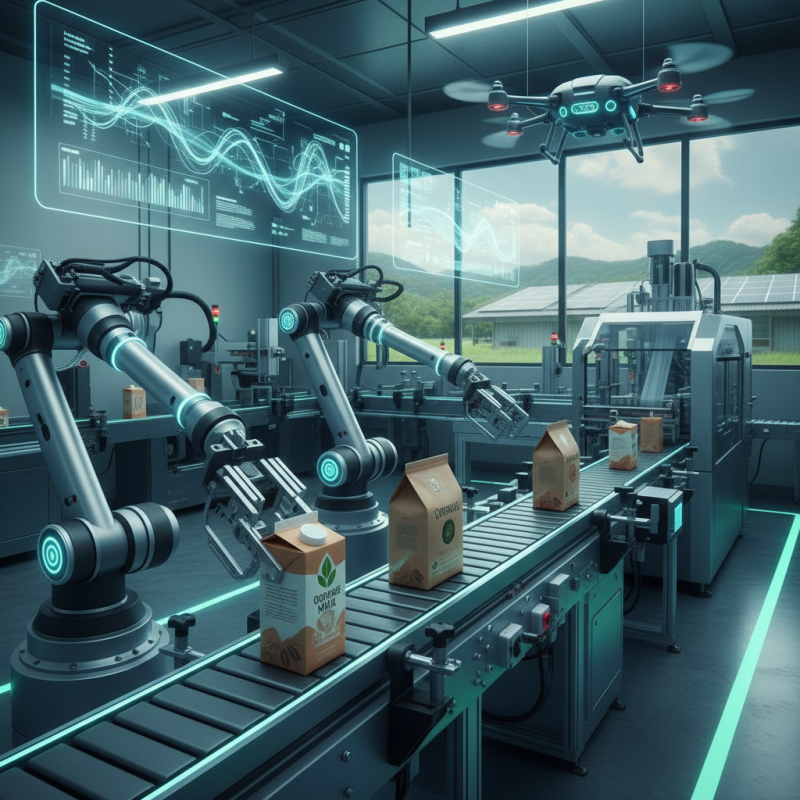
Top 10 Packaging Machinery Trends You Should Know?

Emerging Automation Technologies in Packaging Machinery

Emerging automation technologies in packaging machinery are transforming the industry. Many companies are adopting robotics and artificial intelligence. These advancements enhance productivity and reduce labor costs. For instance, robotic arms can work alongside humans, increasing speed and efficiency. Furthermore, AI can analyze data to optimize production processes.

Another notable trend is the integration of the Internet of Things (IoT). Machines equipped with IoT can communicate in real time. This connectivity facilitates predictive maintenance, reducing downtime. However, reliance on technology poses risks. Cybersecurity threats could compromise sensitive data. Businesses must invest in robust security measures.

Augmented reality (AR) is also making waves. Workers can use AR glasses for assembly instructions, improving accuracy. Yet, it's crucial to provide proper training. Not all employees may adapt quickly to new technologies. Balancing automation and human touch remains a challenge. Addressing these gaps is essential for successful implementation.

Sustainability Trends: Eco-Friendly Materials and Practices

Sustainability in packaging is a growing trend. Eco-friendly materials are gaining traction across industries. According to a report by Smithers Pira, the green packaging market is expected to reach $500 billion by 2027. Companies are now prioritizing renewable resources. Bioplastics, recycled materials, and biodegradable options are becoming standard choices.

Innovative practices emerge alongside these materials. For instance, process efficiencies can reduce waste. More brands adopt circular economies to minimize their environmental impact. The Global Packaging Alliance notes that 75% of consumers prefer eco-friendly packaging. This shift highlights the need for businesses to adapt their strategies.

Tips: Evaluate your supply chain. Look for partners committed to sustainability. Regularly assess your packaging materials to enhance efficiency. Small changes, like using lighter materials, can lead to significant reductions in carbon footprints. Aim to balance functionality and environmental concerns. Creating a sustainable packaging strategy involves ongoing reflection and adjustments.

Integration of IoT in Packaging Systems

The integration of IoT in packaging systems is transforming the industry. IoT enables real-time data exchange between machines. This connectivity leads to improved efficiency and reduced waste. Packaging machinery can now communicate vital information, such as temperature and humidity levels. This ensures products remain safe and meet quality standards.

Adopting IoT requires careful planning. Companies should assess their current systems. Implementing IoT can be complex and may necessitate training. Workers must understand how to leverage data for better outcomes. A gradual approach is often more effective than an immediate overhaul.

Consider investing in sensors and analytics tools. These devices can monitor production processes closely. They provide insights that help streamline operations. Events like machine failures and supply chain disruptions can be predicted more accurately. Take time to analyze existing processes. This will help identify areas where IoT can make a significant impact.

Advancements in Robotics for Packaging Efficiency

Advancements in robotics are reshaping packaging efficiency. A recent report by the International Federation of Robotics highlights a projected annual growth rate of 12% in industrial robot deployments within the packaging sector. This growth is driven by the increasing demand for automation to improve productivity and reduce labor costs. Robots streamline operations, efficiently handling repetitive tasks such as packing, sorting, and palletizing.

The implementation of robotic systems can result in a 30% increase in packaging throughput. For instance, collaborative robots (cobots) work alongside human workers, enhancing speed and accuracy. They are designed to be easy to program and safer to operate, which helps companies adapt quickly to changing product lines.

Despite these advantages, challenges exist. Integrating robotic solutions can require significant upfront investment. Smaller firms may struggle with this financial barrier. Additionally, workforce adaptation to new technologies often takes time. Employees need training to work effectively with robots. Therefore, while advancements in robotics offer significant benefits, careful planning and support are critical.

Customization and Personalization in Packaging Solutions

In today’s packaging landscape, customization and personalization are key trends reshaping the industry. Brands are prioritizing tailored packaging solutions to enhance the customer experience. Personalized packaging not only attracts attention but also builds a connection with consumers. This strategy can lead to increased engagement and loyalty over time.

The use of innovative design tools makes it easier for brands to offer unique packaging options. Techniques like digital printing allow for vibrant graphics and personalized messages. Packaging can reflect individual preferences or even seasonal themes. However, this approach requires thoughtful consideration of materials and sustainability. Brands must balance aesthetics with eco-friendly practices, which can sometimes be challenging.

Rethinking packaging processes can come with hurdles. The shift to customization may lead to longer production times and higher costs. Brands must navigate these challenges carefully. Successful customization should enhance the user experience while minimizing waste. Continuous experimentation, feedback, and adaptation remain crucial in this evolving packaging environment.

Top 10 Packaging Machinery Trends You Should Know

Trend Description Impact on Industry Future Outlook
Increased Automation Integration of smart technologies to enhance operational efficiency. Reduces labor costs and increases productivity. Growing adoption expected in small and medium enterprises.
Sustainable Packaging Shift towards biodegradable and recyclable materials. Increases brand loyalty and meets regulatory standards. Continued growth as consumers seek eco-friendly options.
Customization and Personalization Tailored packaging solutions to meet individual customer needs. Enhances customer experience and differentiates products. Major trend as brands seek deeper customer engagement.
Smart Packaging Use of sensors and QR codes for enhanced product tracking. Improves supply chain transparency and reduces waste. Expected to revolutionize inventory management.
Integration of AI AI used for predictive maintenance and process optimization. Minimizes downtime and maximizes efficiency. Increasingly adopted across various sectors.
E-commerce Driven Packaging Adaptation of packaging to meet the demands of online shopping. Enhances product protection and customer satisfaction. Growth expected as e-commerce expands further.
Digital Printing Innovations allow for short runs and rapid design changes. Cost-effective for smaller batches and custom labels. Rapid adoption expected in various industries.
Robotics in Packaging Use of robots for packing, sorting, and palletizing. Enhanced speed and consistency in packaging operations. Increased implementation rate expected.
Multi-Function Machinery Machines that can perform multiple tasks to reduce costs. Consolidates equipment needs and decreases investments. Increased demand for versatility in machinery.
Supply Chain Resilience Focus on strengthening supply chains for better reliability. Less vulnerability to disruptions and better service delivery. Expected emphasis on reliability and agility.