Top 10 Packing Machines in China for Global Buyers?
In the competitive landscape of the packaging industry, choosing the right Packing machine can significantly impact efficiency and productivity. China has emerged as a global hub for manufacturing advanced packing machines. With a variety of options available, buyers must understand their specific needs to make informed decisions.
This article explores the top 10 packing machines in China, showcasing their features and applications. The machines listed demonstrate innovative technology and reliable performance. Each machine varies in design and suitability, making it essential for buyers to carefully evaluate their requirements. Potential buyers should consider quality, durability, and after-sales support.
However, selecting a packing machine is not always straightforward. Some machines may come with hidden costs or limited functionality. Additionally, there is a learning curve involved in operating new equipment. Navigating these challenges requires thorough research and expert guidance. Understanding the landscape will empower global buyers to make smarter investments.
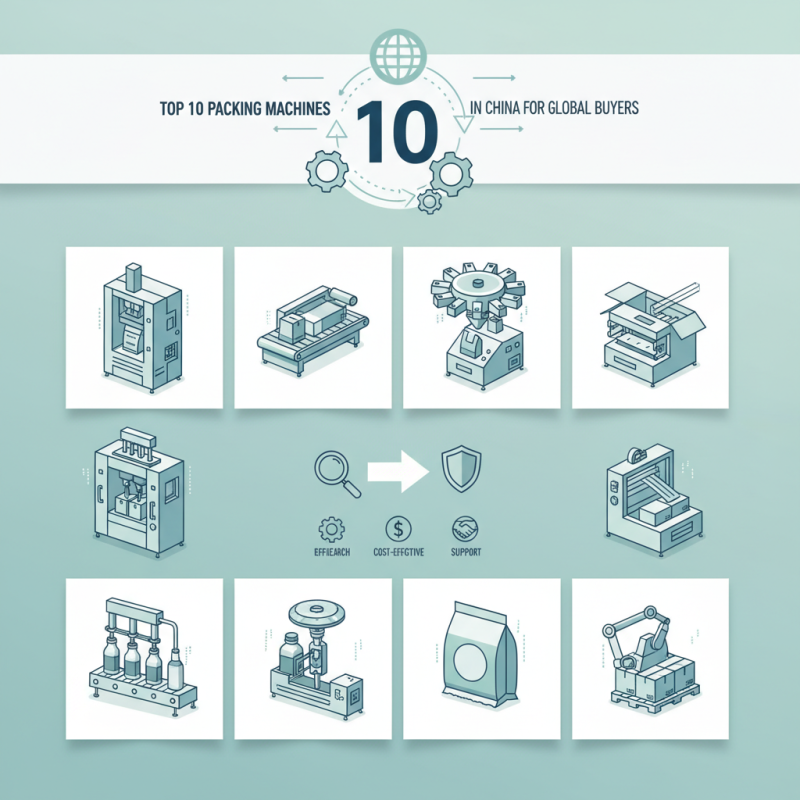
Overview of the Packing Machine Industry in China
The packing machine industry in China is witnessing rapid growth. According to a recent report by ResearchAndMarkets, the market is projected to reach USD 6.2 billion by 2025, with a CAGR of 7.3% from 2020 to 2025. This growth is mainly driven by the rising demand for packaged goods. The food and beverage sector dominates, accounting for over 40% of the market share.
Chinese manufacturers are emphasizing automation and smart technology. This shift enhances efficiency and reduces labor costs. Many companies are investing in research and development. They aim to produce machines that are not only more efficient but also environmentally friendly. However, challenges remain. The industry faces issues like quality control and safety standards. Furthermore, as global buyers seek diverse options, some machines may not meet specific international standards.
Despite these hurdles, the potential for innovation is high. New designs are entering the market, reflecting changing consumer preferences. Buyers must take time to evaluate the options carefully. They should assess the long-term value and reliability of machinery before making investments. The evolving landscape of the packing machine industry underscores the need for informed decision-making.
Top 10 Packing Machines in China for Global Buyers
| Machine Type | Production Capacity (Units/Hour) | Power Consumption (kW) | Weight (kg) | Dimensions (L x W x H) |
| Automatic Carton Sealer | 30-100 | 1.5 | 250 | 1.2m x 0.8m x 1.5m |
| Vertical Packaging Machine | 40-120 | 2.0 | 300 | 1.5m x 0.9m x 1.8m |
| Horizontal Flow Wrapping Machine | 60-150 | 3.0 | 450 | 1.8m x 1.0m x 1.6m |
| Pneumatic Filling Machine | 20-60 | 1.2 | 200 | 1.0m x 0.7m x 1.5m |
| Semi-Automatic Strapping Machine | 15-50 | 0.8 | 150 | 0.8m x 0.6m x 1.2m |
| Labeling Machine | 50-200 | 1.0 | 120 | 1.2m x 0.5m x 1.5m |
| Shrink Wrapping Machine | 30-80 | 2.5 | 350 | 1.4m x 1.0m x 1.7m |
| Cup Filling and Sealing Machine | 40-100 | 1.8 | 280 | 1.3m x 0.9m x 1.5m |
| Robotic Palletizer | 10-30 | 4.0 | 800 | 2.0m x 1.2m x 2.0m |
| Multi-Head Weigher | 50-150 | 2.5 | 400 | 1.5m x 1.0m x 1.4m |
Key Features and Technologies of Modern Packing Machines
Modern packing machines in China are evolving rapidly. These machines integrate advanced technologies to enhance efficiency. The global packaging machinery market was valued at over $45 billion in 2022. This figure is expected to reach around $70 billion by 2030. Such growth indicates a demand for innovation in packing solutions.
Key technologies driving these machines include automation and artificial intelligence. Automated packing lines reduce labor costs and increase speed. For instance, some machines can pack over 100 units per minute. AI helps optimize packing processes by analyzing data. This includes identifying the best packaging methods suited for products.
Moreover, sustainability is becoming increasingly important. Eco-friendly materials and energy-efficient machines are preferred. However, not all manufacturers are fully committed to this change. Some still prioritize profit over environmental impact. As the market landscape shifts, the challenge remains: how to balance efficiency and sustainability in packing technologies.
Top 10 Packing Machines: A Comprehensive Review
Packing machines play a crucial role in various industries. They enhance efficiency and reduce labor costs. According to a report by Market Research Future, the global packing machine market is expected to grow at a CAGR of 5.32% from 2021 to 2026. This growth highlights the increasing demand for automation in packing processes.
In China, numerous manufacturers focus on innovative packing solutions. They cater to diverse industries such as food, pharmaceuticals, and consumer goods. Many of these machines offer advanced features, like programmable settings and improved safety measures. However, not all machines are created equal. Some may underperform due to inadequate testing or poor design.
Quality control remains a significant challenge. Manufacturers must ensure their machines meet international standards. Some machines struggle with flexibility. They may not accommodate various product sizes or materials. This limitation can hinder production efficiency. It’s essential for buyers to weigh these factors carefully before investing.
Criteria for Selecting Packing Machines for Global Buyers
When selecting packing machines, global buyers should focus on key criteria to ensure a sound investment. Compatibility with different packaging materials is crucial. A machine that can handle various substrates, such as flexible films or rigid containers, enhances versatility. According to recent industry reports, nearly 70% of companies seek machines that can accommodate multiple packing formats.
Efficiency and speed are also significant factors. A machine's output rate should align with production goals. Equipment capable of processing over 100 packs per minute can greatly boost operational productivity. However, buyers must consider the balance between speed and quality. High-speed production may compromise the integrity of packaging, leading to increased wastage. Ensuring that quality control mechanisms are integral is essential.
Moreover, technology integration plays a pivotal role in the decision-making process. Machines embedded with smart technologies can provide real-time data analysis and machine diagnostics. According to a 2023 market analysis, 55% of manufacturers prioritize machines with IoT capabilities. This reflects a growing trend toward automation and remote monitoring, streamlining maintenance and support. Buyers should, however, reflect on their readiness to adopt these advancements and the potential learning curve involved.
Top 10 Packing Machines in China for Global Buyers
Future Trends in Packing Machine Innovations in China
The packing machine industry in China is rapidly evolving. Innovations focus on automation and smart technology. These advancements help improve efficiency and accuracy. Smart sensors and AI are changing how machines operate. They enable real-time monitoring and adjustments. This leads to reduced waste and higher productivity.
Sustainability is another crucial trend. Many manufacturers are investing in eco-friendly materials. This shift aligns with global demands for greener packaging solutions. However, the high initial costs can be a hurdle for small businesses. They may struggle to adapt to these innovations.
Customization also plays a vital role. Machines can now be tailored to specific needs. This is essential for diverse industries. However, over-customization may lead to complexity and higher maintenance. Achieving the right balance is key for manufacturers. The future of packing machines in China is bright but requires careful navigation of these trends.