Top Trends in Precision Manufacturing for 2026?
As we look ahead to 2026, precision manufacturing is set to transform the industrial landscape. According to a report by the McKinsey Global Institute, the precision manufacturing market could exceed $8 trillion by 2026, driven by advancements in technology and increasing demand for quality. Industry players are adapting to incorporate automation and data analytics, improving efficiency and precision.
However, challenges remain. Many manufacturers struggle to fully embrace these new technologies. There is a noticeable skills gap in the workforce. A study by Deloitte found that 2.1 million manufacturing jobs may be unfilled due to this issue. This gap undermines potential growth in precision manufacturing, indicating the need for training and educational resources.
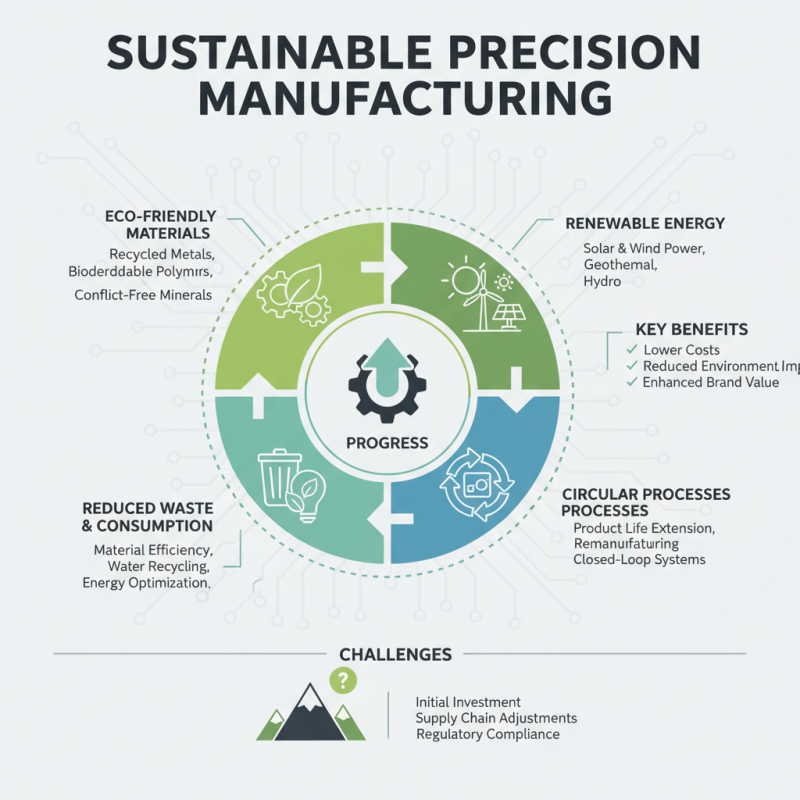
The ongoing push for sustainability adds another layer of complexity. Organizations face pressures to reduce waste while maintaining high precision levels. Balancing these demands will require innovative strategies. The future of precision manufacturing depends not only on technology but also on addressing these inherent challenges.
Emerging Technologies in Precision Manufacturing for 2026
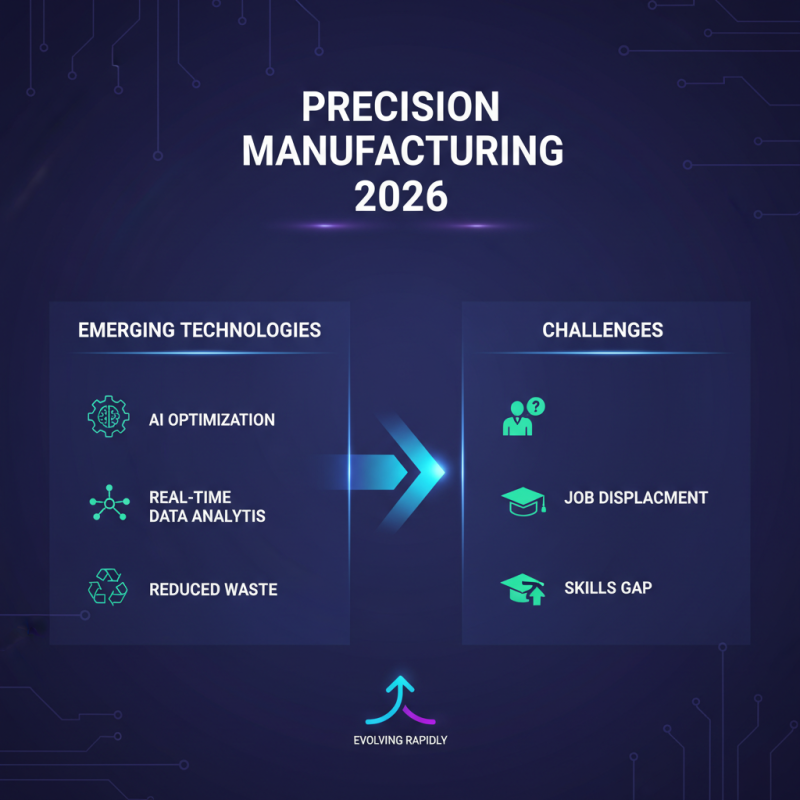
The world of precision manufacturing is evolving rapidly. Emerging technologies promise to reshape production processes by 2026. One significant trend is the rise of artificial intelligence (AI) in manufacturing. AI can analyze production data in real-time. This helps to optimize workflows and reduce waste. However, reliance on AI raises concerns about job displacement and skills gaps.
Another important technology is additive manufacturing, commonly known as 3D printing. This method enables the creation of complex parts with minimal material waste. Industries are exploring new materials for better durability and functionality. Yet, there are challenges. The quality of printed parts can vary significantly. Standardizing processes and material properties is crucial.
Moreover, the integration of Internet of Things (IoT) devices will enhance connectivity in manufacturing environments. Smart sensors can monitor equipment and predict failures. While this approach increases efficiency, it also raises questions about cybersecurity risks. Protecting sensitive data becomes essential as systems become more interconnected. Continuous reflection on these developments will be necessary for a balanced approach to future manufacturing.
Integration of Artificial Intelligence and Machine Learning in Production
The integration of artificial intelligence and machine learning in precision manufacturing is transforming the industry.
AI optimizes processes, improves quality control, and reduces waste.
Machine learning algorithms analyze vast amounts of data in real-time. This ability helps identify inefficiencies and predict equipment failures before they happen. Such predictive maintenance saves time and costs.
Tips: Collect data consistently. The more data you gather, the better your machine learning models will perform. Encourage a culture of data sharing within teams.
Implementing AI isn’t without challenges. Companies often struggle with integrating new technologies into existing systems. The learning curve can be steep.
Staff must adapt to new tools and workflows.
Having a solid training program is crucial. If training fails, the promised benefits of AI can quickly fade.
Another consideration is ethics in AI. The algorithms must be unbiased to ensure fair operations. Transparency in how AI makes decisions is essential. Stakeholders should be aware and informed.
Understanding these nuances can lead to better-informed decision-making.
Tips: Evaluate each AI application critically. Is it truly necessary? Continuous reflection on usage will drive better outcomes.
Prioritize quality over quantity in data analysis.
Advancements in Automation and Robotics for Increased Efficiency
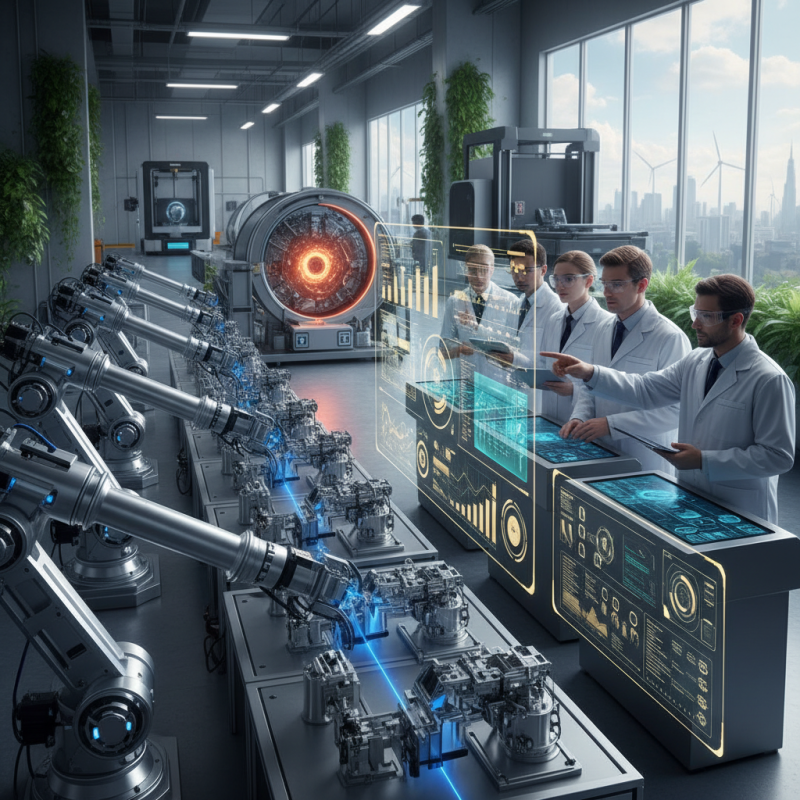
The landscape of precision manufacturing is changing rapidly. Automation and robotics drive this shift, promising greater efficiency. In 2026, many manufacturers will depend on these technologies for everyday operations. Factories will use autonomous robots for repetitive tasks. This reduces human error and increases productivity.
However, challenges persist. Many companies struggle to integrate advanced robotics seamlessly. Training staff to work alongside machines can be daunting. Workers may fear job loss or skill redundancy. Addressing these concerns is essential for a smooth transition. Clear communication about the role of robotics can ease fears.
Incorporating AI alongside automation could enhance decision-making. Smart machines analyze data quickly. They can predict maintenance needs and optimize processes. However, relying solely on technology is risky. Human oversight is still crucial for quality control. Balance is key in merging automation with precision manufacturing.
Customization Trends Driving Demand in Precision Manufacturing Solutions
The precision manufacturing landscape is shifting as customization gains momentum. Companies now seek tailored solutions to meet specific needs. This change is driven by customer demand for products that reflect personal preferences and unique specifications. It’s not just about quantity; it's about quality and detail.
Customization can sometimes lead to challenges. Manufacturers must adapt quickly to varying demands. This requires investing in flexible production methods and advanced technologies. While this can improve customer satisfaction, it also increases complexity in operations. The balance between customization and efficiency is delicate. Companies may struggle with unpredictable order volumes, affecting their resources and planning.
Despite these hurdles, the rewards of embracing customization are significant. Satisfied customers often lead to repeat business and brand loyalty. The future may involve advanced technologies like AI and machine learning to streamline the customization process. These innovations can help manage the intricacies, turning challenges into opportunities. Adapting to this trend is essential for staying competitive in the evolving market.
Top Trends in Precision Manufacturing for 2026
| Trend |
Description |
Impact on Industry |
Expected Growth (%) |
| Customization |
Increased focus on personalized products tailored to customer specifications. |
Enhances customer satisfaction and loyalty. |
15% |
| Automation |
Integration of advanced robotics and AI to streamline manufacturing processes. |
Reduces production costs and increases efficiency. |
20% |
| Sustainability |
Adoption of eco-friendly practices and materials in manufacturing. |
Meets consumer demand for environmentally responsible products. |
10% |
| Smart Manufacturing |
Utilization of IoT technology for real-time production monitoring. |
Improves decision-making and operational efficiency. |
25% |
| Advanced Materials |
Development of innovative materials that enhance product performance. |
Allows for new product capabilities and better durability. |
18% |