post thumbnail
Our pricing model is flexibly designed to give you the most possible advantages of a continuing partnership.

Why Choose CNC Machining Solutions for Global Buyers?

Global buyers often need more than a part that looks right on a drawing. They need repeatable dimensions, clear inspection records, and a supplier who can explain what happens when a design meets a real machine. CNC machining solutions can support that work, from prototypes to production runs, across metals and engineering plastics. But the result depends on the details: material choice, tolerances, surface finish, and how the part will be used.

A useful supplier makes those details visible early. Buyers can share drawings and discuss features such as thin walls, deep pockets, or tight fits before production begins. Design-for-manufacturing feedback may reveal a simpler tool path or a more practical tolerance. Inspection reports and material documentation also help teams compare quotes on more than price alone. Details matter.

For international projects, communication and logistics deserve the same attention as machining capability. Confirm who reviews revisions, how samples are approved, and what updates are provided if a schedule changes. Shipping time, packaging, and quality checks can affect the true delivery date. A low quote may still be the wrong choice if its assumptions are unclear. Not every quote tells the full story.

CNC machining is not automatically the best process for every component, and no supplier can promise identical results without understanding the application. Buyers should ask specific questions, review evidence, and weigh cost against risk. That takes coordination. It can also prevent avoidable rework and make global sourcing more predictable.
Why Choose CNC Machining Solutions for Global Buyers?

What CNC Machining Solutions Include

CNC machining solutions usually begin before a machine starts cutting. A supplier reviews the drawing or CAD model, checks critical dimensions, and flags features that may be difficult to produce consistently. A thin aluminum wall beside a deep pocket, for example, can vibrate under cutting forces. A modest design change may improve stability. Material selection matters too: aluminum is lightweight, while stainless steel offers strength and corrosion resistance. Small details matter.

Production may include CNC milling, turning, drilling, tapping, or multi-axis machining. Milling creates flat faces, slots, and pockets; turning is suited to round parts such as shafts and sleeves. Services can cover prototypes and repeat production, with setup adjusted to the order size. The first part may reveal a tool-path or fixture issue that was not obvious on screen. No two jobs behave exactly alike.

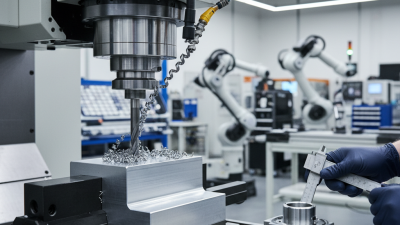
Quality checks may use calipers, micrometers, gauges, or coordinate measuring equipment, depending on the part’s geometry and tolerances. Finishing options can include deburring, bead blasting, or coating, when specified. Packaging and shipment coordination may also be included for overseas orders. Buyers should confirm drawings, revisions, inspection needs, and delivery expectations in writing. Even a careful process can miss a detail, so inspection records and clear revision control are worth discussing.

How CNC Machining Supports Global Manufacturing

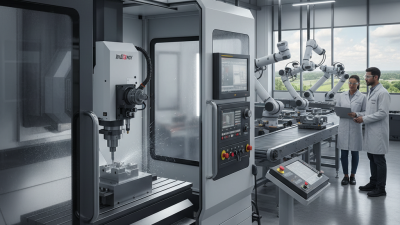
CNC machining supports global manufacturing by turning shared digital drawings into repeatable metal or plastic parts. A five-axis mill can cut a complex housing while holding tight tolerances across multiple faces. This helps teams source components across regions without redesigning every part for a different process. It also makes small pilot runs practical before a factory commits to larger volumes.

The investment is growing. Grand View Research estimated the global CNC machine market at USD 101.22 billion in 2023, with projected annual growth of 5.5% from 2024 to 2030. Deloitte’s 2024 manufacturing outlook reported that 86% of surveyed manufacturing executives expected smart factory solutions to drive competitiveness within five years. CNC equipment can support that shift through digital programs and machine data, though integration still depends on training and reliable production planning.

Global supply chains still face friction. A drawing may travel instantly, but material availability, shipping time, and inspection capacity do not. CNC machining works best when buyers confirm tolerances, surface finish, and measurement methods early. Not every feature needs a tight tolerance. Over-specifying can add cost and delay; even experienced teams sometimes miss this during the first design review.

Key Advantages for Buyers Across Borders

For buyers working across borders, CNC machining can turn a shared CAD model into metal or plastic parts without building dedicated tooling. This is useful for prototypes, replacement components, and small production runs. A practical quote should identify the material, quantity, finish, and inspection needs—not just the part price. Clear drawings help. A 2D drawing can call out critical dimensions, while the 3D file defines the part’s overall shape. That detail matters.

Buyers should confirm tolerances with the supplier before production, especially for thin walls, deep pockets, or mating surfaces. A tolerance that looks reasonable on screen may raise cost or affect lead time. Ask what inspection records are available, such as measured dimensions or a first-article report. If material traceability is important, state that early. Small gaps matter.

Across time zones, written confirmation of units, revision numbers, packaging, and delivery terms can prevent avoidable rework. A fast quote is not automatically a reliable one. It is also worth allowing time for sample review; a drawing rarely captures every preference, and the first version may need adjustment.

Industries and Parts Served by CNC Machining

CNC machining serves industries that need accurate, repeatable parts, from aerospace and medical equipment to automotive systems, robotics, and industrial machinery. Typical components include aluminum housings, stainless-steel shafts, fixture plates, valve bodies, and custom brackets. A milled pocket or drilled hole may look simple, but its position can affect assembly, sealing, or movement. Small details matter.

Material and process choices depend on the part’s function. Aluminum is often selected for lightweight housings, while stainless steel suits parts exposed to moisture or frequent cleaning. Plastics can work well for low-friction guides and electrical enclosures. Turning produces round features efficiently; milling handles flat faces, slots, and complex profiles. For buyers comparing suppliers, clear drawings, material specifications, and inspection requirements reduce avoidable back-and-forth. Fit matters.

CNC machining can support prototypes, replacement components, and production runs, though it is not automatically the lowest-cost option for every geometry or quantity. Deep internal cavities, very thin walls, and tight tolerances may increase machining time and inspection needs. That trade-off is easy to miss. A practical review of the part’s critical dimensions can help teams decide where precision is essential and where a more forgiving tolerance is adequate. Just as important, sample inspection and documented measurements provide useful evidence before a larger order proceeds.

Why Choose CNC Machining Solutions for Global Buyers?

CNC machining serves industries such as aerospace, automotive, medical, electronics, and industrial equipment. The chart compares the approximate densities of commonly machined materials used in parts such as housings, brackets, fittings, and components.

Material density is approximate and may vary by grade and specification. Lower density can help reduce part weight, while material selection should also consider strength, corrosion resistance, machinability, and application requirements.

How to Evaluate a CNC Machining Supplier

Why Choose CNC Machining Solutions for Global Buyers?

How to Evaluate a CNC Machining Supplier

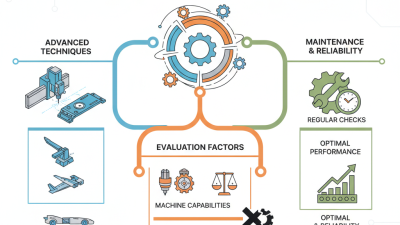
Start with the part, not the sales pitch. Send a controlled drawing, material grade, annual volume, and critical tolerances. Ask the supplier to identify datum strategies, tool access, and features that may need extra setups. A clear quote should separate machining, finishing, inspection, and shipping costs. If assumptions stay vague, the price may shift after approval.

Check evidence of process control: site-specific ISO 9001 certification, inspection plans, calibration records, and sample reports linked to your drawing revision. The ISO Survey 2022 recorded 1,265,216 valid ISO 9001 certificates worldwide. Certification is common, but it does not prove a shop can hold your tolerance. Ask for capability data on a similar material and feature, plus a first-article inspection report. Paperwork can mislead.

Assess communication and traceability, too. A 2024 smart manufacturing survey by Deloitte and MAPI found 86% of executives expect smart manufacturing to drive competitiveness within five years. Ask how the shop tracks revisions, machine status, and nonconformances; request a redacted inspection record. For a milled aluminum housing, confirm how bore size is measured after finishing. A video call helps. It is not proof. Test packaging, lead-time updates, and change handling with a pilot order. A polished sample may impress, but production drift can appear later.