What is CNC Parts Machining and How to Source Them?
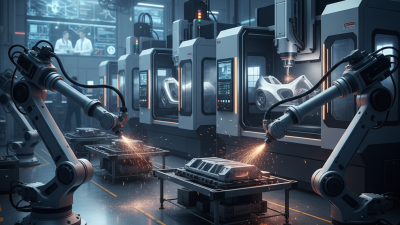
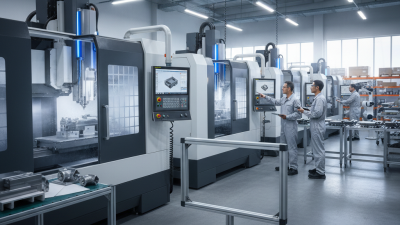
CNC parts machining is a vital process in modern manufacturing. It allows for precision and efficiency in creating complex components. Businesses rely on this technology to meet their specific needs. This process involves using computer-controlled machines to produce parts from various materials, ensuring high accuracy and repeatability.
When sourcing CNC parts machining, it is crucial to understand the different options available. Not all manufacturers are equal in quality or reliability. Selecting the right supplier can be challenging. You should consider their expertise, machinery capabilities, and past work. Reviews and case studies can provide insight into their performance.
Mistakes can happen in sourcing. It's essential to communicate clearly with suppliers about your requirements. Be prepared to ask questions and request samples. This helps ensure the quality meets your standards. Remember, understanding CNC parts machining will empower you to make informed choices.
What is CNC Parts Machining?
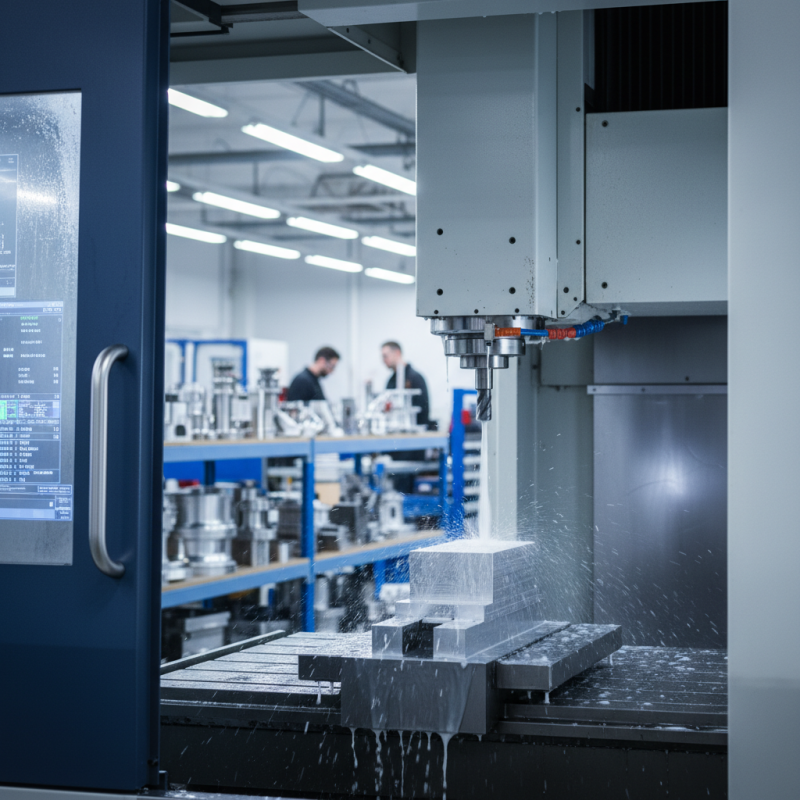
CNC parts machining is a highly precise method of creating components from various materials. The process utilizes Computer Numerical Control technology to automate machine tools. This automation ensures consistent quality and high repeatability, essential in industries like aerospace, automotive, and medical devices. Each component is designed through CAD software, then translated into machine instructions. The result is a part crafted with minimal human intervention and fascinating accuracy.
The materials used can range widely. Metals, plastics, and composites are common. For instance, aluminum is favored for its lightweight and strength. Alternatively, stainless steel is chosen for its corrosion resistance. The choice of material affects both the machining process and the final product's durability. However, sourcing CNC parts isn't without challenges. It's crucial to find reliable suppliers. Not every provider meets the same standards. Communication can be a hurdle, leading to misunderstandings about specifications. Exploring various vendors is often necessary to ensure quality and alignment with project needs.
What is CNC Parts Machining and How to Source Them?
| Dimension |
Metric |
Material Type |
Applications |
Lead Time (Days) |
| 25mm x 20mm x 5mm |
1.00in x 0.79in x 0.20in |
Aluminum 6061 |
Aerospace Components |
15 |
| 50mm x 30mm x 10mm |
1.97in x 1.18in x 0.39in |
Stainless Steel 304 |
Automotive Parts |
12 |
| 10mm x 10mm x 2mm |
0.39in x 0.39in x 0.08in |
Brass |
Electronics |
10 |
| 100mm x 50mm x 20mm |
3.94in x 1.97in x 0.79in |
Plastic ABS |
Consumer Goods |
20 |
| 75mm x 40mm x 15mm |
2.95in x 1.57in x 0.59in |
Carbon Steel |
Construction |
18 |
Key Processes Involved in CNC Parts Machining
CNC parts machining is essential for precision manufacturing. It involves several key processes that ensure high-quality production. One primary process is milling, where rotating cutters remove material from a workpiece. This process is versatile, ideal for creating complex shapes. Another important technique is turning, where the material rotates against a cutting tool. This is commonly used for cylindrical parts.
In addition to milling and turning, drilling plays a significant role. It involves creating holes in the material, and precision is crucial. Each process requires skilled operators to monitor specifications closely. Often, mistakes can occur if tolerances are not followed diligently.
Furthermore, assembly and finishing are critical steps as well. After machining, parts may need additional treatments. Finishing processes like sanding or coating can improve appearance and resistance. However, these steps are sometimes overlooked, leading to imperfections. Continuous training for those involved in CNC machining can help reduce errors and enhance quality.
Advantages of Using CNC Machining for Parts Production
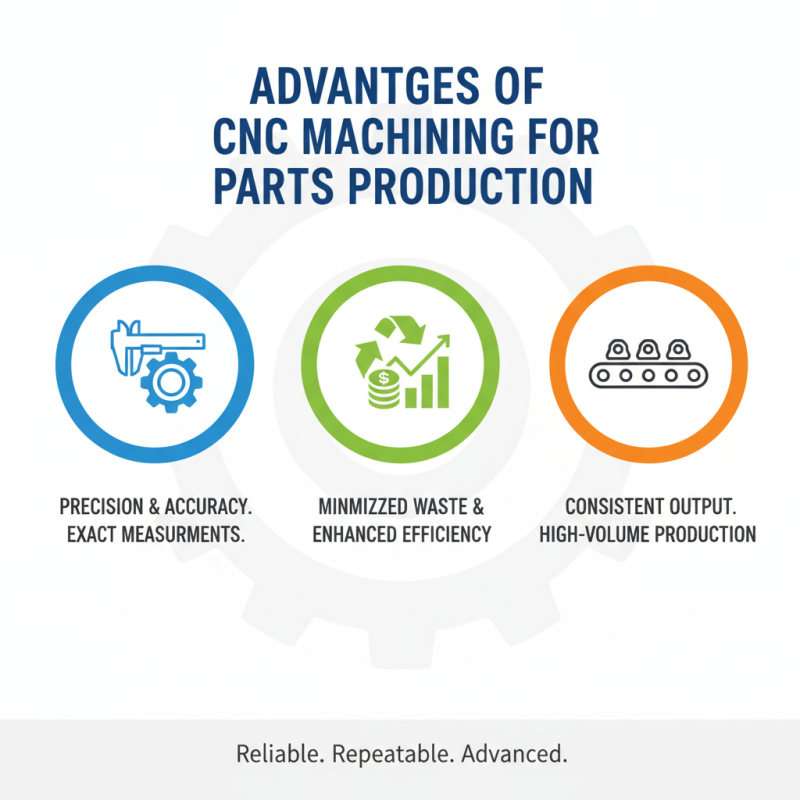
CNC machining offers significant advantages in parts production. The precision of CNC processes ensures that components are crafted with exact measurements. This accuracy minimizes waste and enhances overall efficiency. Manufacturers can rely on CNC machining for consistent output, which is essential for high-volume production.
Another notable point is the versatility of CNC machining. It can work with various materials, including metals, plastics, and composites. This flexibility allows manufacturers to experiment with different materials for innovative designs. However, balancing quality and production speed can be challenging. Finding the right settings requires expertise and experience.
Cost-effectiveness is another crucial aspect. While initial setup costs may be high, the long-term savings in labor and material outweigh these expenses. Yet, sourcing skilled operators can be a hurdle. Not every facility has access to trained personnel who understand CNC technology deeply. Continuous improvement in training is needed to keep up with advancements in machinery.
How to Source Quality CNC Machined Parts
When sourcing quality CNC machined parts, understanding the market is crucial. According to a recent industry report, the global CNC machining market is projected to reach $100 billion by 2027, growing at a CAGR of 6% from 2020. This growth reflects increased demand across various sectors, including automotive and aerospace. Engaging with reliable suppliers can ensure consistency and precision in those parts.
Selecting the right supplier involves assessing their capabilities. Look for manufacturers with advanced machinery and a robust quality control process. A survey by the American Society of Mechanical Engineers revealed that 75% of companies prioritize quality and precision in their sourcing decisions. Establishing clear communication about design specifications is vital to avoid misunderstandings. Sometimes, suppliers lack clarity on complex designs, leading to flawed outputs.
Certifications also play a significant role in identifying reliable vendors. ISO certifications can ensure adherence to international standards. However, not all certified suppliers guarantee quality; some may only meet minimum requirements. It's essential to analyze reviews and seek recommendations. Doing thorough research can mitigate risks associated with sourcing machined parts. A balanced approach is necessary to address uncertainties in this competitive landscape.
Factors to Consider When Choosing a CNC Machining Supplier
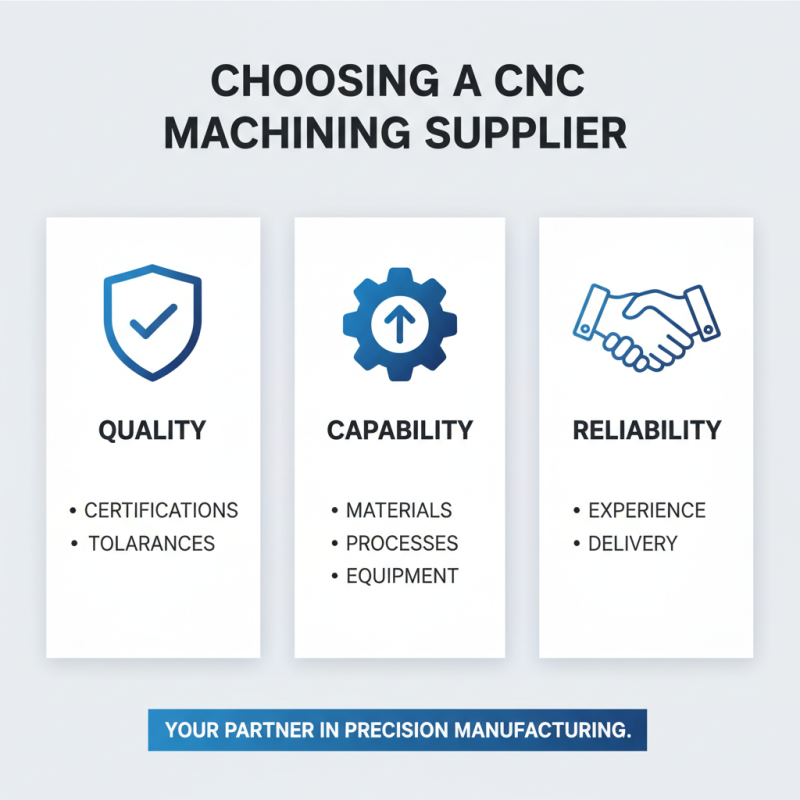
Choosing a CNC machining supplier is a critical decision. Various factors influence this choice, including quality, capability, and reliability. When assessing potential suppliers, start with their experience. A supplier's track record can indicate their ability to meet your specific needs.
Consider the range of services they offer. Some suppliers specialize in certain materials or processes. This specialization may impact the final product's quality. Ensure they have the right technology and machinery to produce the parts required. You want to avoid unexpected delays due to equipment limitations.
Communication is another vital factor. A good supplier should be responsive and open to discussing your project. Miscommunication can lead to errors and frustration. Whether dealing with prototypes or bulk orders, clear dialogue is essential. Reflect on supplier reviews and customer feedback. These insights can reveal patterns, both good and bad. Ultimately, the right supplier can enhance your project, while a poor choice may lead to significant challenges.