How to Source Quality CNC Aluminum for Global Manufacturing?
Sourcing quality CNC aluminum is a critical aspect for global manufacturing. The efficiency of production relies heavily on the materials used. Selecting the right supplier ensures not only quality but also consistency in supply. However, navigating the world of CNC aluminum can be complex.
Challenges arise when determining specifications and finding reliable suppliers. Different manufacturers may provide varying levels of quality. This inconsistency can lead to unforeseen delays and increased costs. Understanding the nuances of CNC aluminum specifications is crucial for effective sourcing.
It’s essential to evaluate suppliers thoroughly. Reviews and referrals can guide manufacturers in their choices. Networking with industry professionals often reveals valuable insights. Despite the plethora of options, finding the best CNC aluminum supplier requires diligence and reflection on past experiences. Only by addressing these intricacies can manufacturers ensure they are sourcing the best quality material for their needs.
Understanding CNC Aluminum: Properties and Benefits for Manufacturing
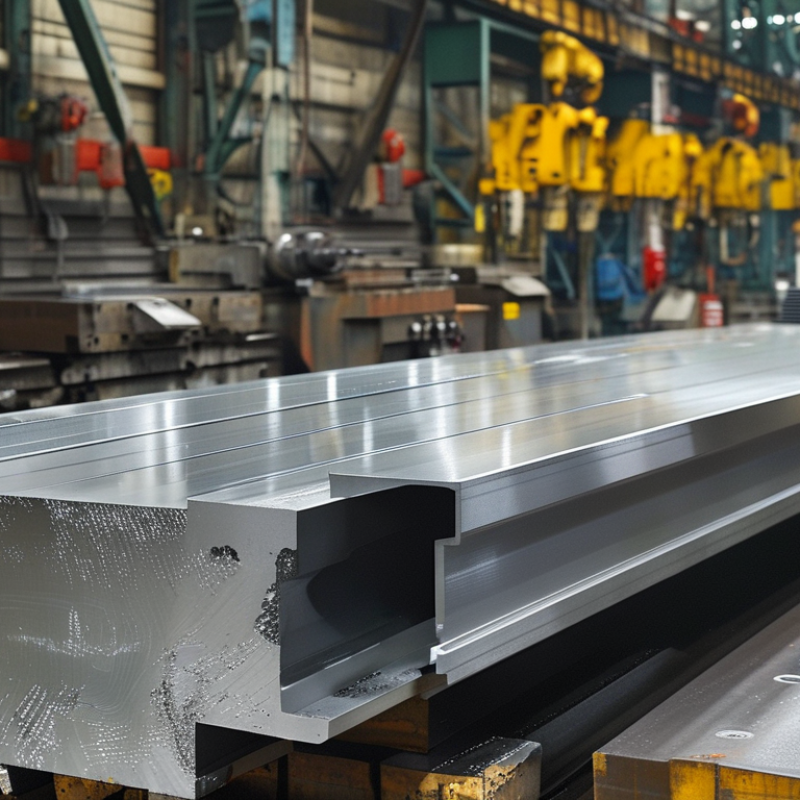
When considering CNC aluminum for manufacturing, it’s crucial to understand its properties and benefits. Aluminum is lightweight yet strong, making it ideal for various applications. Its corrosion resistance enhances product longevity. This metal can be machined to precise specifications, ensuring high-quality finishes.
Processing CNC aluminum requires careful planning. One should choose the right alloy based on the intended use. 6061 and 7075 are popular choices due to their excellent mechanical properties. Machining processes can vary, thus affecting the final product's quality.
Tips for sourcing CNC aluminum include evaluating suppliers thoroughly. Look for those with proven track records. Ask for samples and test their performance under specific conditions. Communication with suppliers is essential. Discussing material properties ensures that you are aligned on your project needs. Quality aluminum can significantly impact manufacturing efficiency and product durability, making it worth the effort to source properly.
Global Market Trends in CNC Aluminum Sourcing: Key Statistics and Insights
The global market for CNC aluminum sourcing is rapidly evolving. Understanding key trends and statistics is vital for manufacturers. In recent years, countries like China and Germany have emerged as leaders in production. Their advanced technology and skilled workforce contribute to high-quality products. However, the market is not without challenges. Fluctuating material costs can impact budgets and sourcing strategies.
Sustainability is becoming a significant focus. Many companies now prioritize eco-friendly practices in aluminum sourcing. This shift affects both production methods and material selection. Statistics show that over 40% of manufacturers are increasing investment in sustainable practices. Yet, some firms may struggle to implement these changes effectively. Balancing innovation with fiscal responsibility remains a concern.
Supply chain disruptions also pose risks. Events like the pandemic have shown vulnerabilities in global sourcing. Manufacturers must consider diversifying suppliers to mitigate risks. Keeping an eye on geopolitical tensions is crucial too. The landscape is complex, and informed decisions are essential for success. Quality must always remain a priority, even in uncertain times.
Global Trends in CNC Aluminum Sourcing
This bar chart illustrates the demand for CNC aluminum across various global markets, highlighting the significant lead of China in the manufacturing sector. Understanding these trends is crucial for sourcing quality CNC aluminum effectively.
Identifying Quality Suppliers: Criteria for Sourcing CNC Aluminum Globally
Finding quality suppliers for CNC aluminum requires attention to several criteria. Experience in the industry is vital. Look for suppliers with a proven track record. They should have a portfolio showcasing their previous projects. This provides insights into their capabilities.
Another important factor is the quality control process. Suppliers must adhere to stringent standards. Certifications like ISO can indicate reliability. Ensure they use advanced machinery and technology. This influences the precision and consistency of the aluminum parts.
Communication is also key. Suppliers should be responsive and transparent. Language barriers can lead to misunderstandings. It's beneficial to request samples before making large orders. This reflects the supplier's commitment to quality. Reflecting on your sourcing strategy is essential. Continuous evaluation can make a significant difference in the long run. Quality is not just a choice; it’s a necessity in global manufacturing.
Evaluating Material Performance: Testing Standards for CNC Aluminum Components
When evaluating CNC aluminum components, testing standards play a crucial role. Material performance can vary widely based on factors such as alloy composition, production methods, and environmental conditions. It's essential to understand these variables to select the right aluminum for manufacturing.
Testing standards like ASTM and ISO provide a framework for assessing the quality of CNC aluminum. These standards cover various aspects, including tensile strength, elongation, and fatigue resistance. Manufacturers should ensure their materials meet or exceed these benchmarks. However, even compliant materials may not perform optimally in every application. Real-world conditions often reveal flaws not evident in standard tests.
Collaboration with material scientists can enhance the sourcing process. Their expertise helps identify suitable aluminum grades tailored to specific needs. Yet, sourcing aluminum is often riddled with challenges. Variability in supplier capabilities, geographic constraints, and logistics can lead to unpredictable results. Continuous evaluation and refinement of sourcing practices can help mitigate these issues.
Cost Factors in CNC Aluminum Production: Balancing Quality and Affordability
In CNC aluminum production, balancing quality with affordability is a challenge many manufacturers face. The cost of sourcing quality aluminum can vary significantly based on several factors. Material purity, for instance, plays a vital role in pricing. Higher purity aluminum often leads to better machining and end-product durability, but at a premium. This can be a tough decision, especially when budgets are tight.
Labor costs significantly impact the overall expenses too. Skilled machinists command higher wages, but their expertise ensures precision. Experienced workers can effectively troubleshoot issues on the fly, saving time and reducing waste. Moreover, machine maintenance adds another layer of cost. Neglecting equipment upkeep might seem like saving money initially, but it can lead to larger problems down the line.
Supply chain efficiency must not be overlooked. Transporting materials from various sources can quickly inflate costs. Sourcing locally could minimize transport expenses, but availability may be an issue. Finding the right balance between local and international suppliers requires careful consideration. Manufacturers must constantly reflect on their strategies while keeping quality and affordability aligned.
How to Source Quality CNC Aluminum for Global Manufacturing? - Cost Factors in CNC Aluminum Production: Balancing Quality and Affordability
| Quality Factor |
Cost Impact ($/kg) |
Supplier Rating (1-5) |
Lead Time (weeks) |
| Material Grade |
$5.00 |
4 |
3 |
| Surface Finish |
$1.50 |
5 |
2 |
| Machining Tolerance |
$2.00 |
4 |
4 |
| Volume Order |
$0.50 |
3 |
6 |
| Delivery Location |
$0.75 |
2 |
5 |