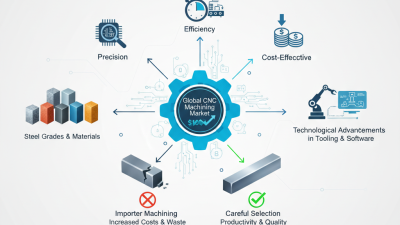
China Top 10 CNC Machining Parts Manufacturers?
China remains a major sourcing market for precision cnc machining parts, serving industries from automotive engineering to medical equipment. However, choosing a manufacturer requires more than comparing prices or browsing polished websites.
This guide examines China’s top 10 CNC machining parts manufacturers through practical, buyer-focused criteria. We consider machining equipment, material capability, dimensional tolerances, surface finishing, inspection systems, and production capacity. A reliable supplier should explain its process clearly, from reviewing a CAD drawing to checking the final batch. Details matter. A small aluminum bracket may need clean threads, flat contact surfaces, and consistent anodizing. A stainless-steel shaft may require tighter runout control and documented inspection results.
Experience also matters. Manufacturers familiar with prototypes and repeat orders usually handle design changes more smoothly. We look for evidence such as ISO certifications, coordinate measuring machines, in-process inspection records, and realistic delivery commitments. Yet public information is not always complete. A strong website does not prove stable quality. Some rankings may also change when equipment, management, or market conditions change.
For this reason, the list should support supplier research, not replace technical verification. Buyers should request current samples, drawings, inspection reports, and clear quotations before placing an order. Comparing communication quality can reveal operational discipline. Sometimes, the cheapest offer becomes expensive after rework, delays, or unclear tolerances. This article offers a balanced starting point for evaluating Chinese manufacturers and finding cnc machining parts suppliers that match your actual production needs.
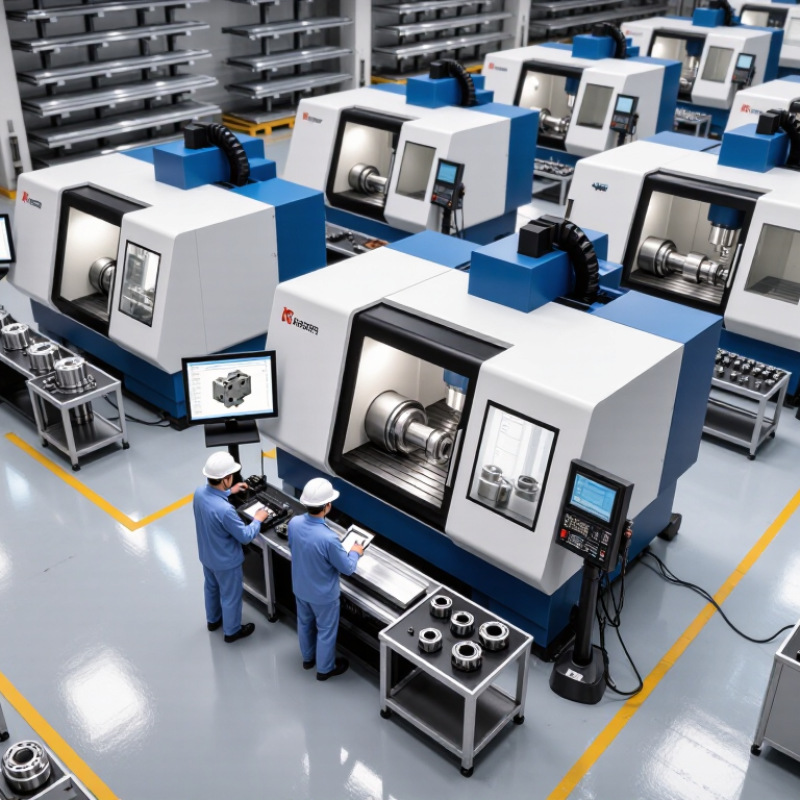
China’s CNC Machining Industry: 3-, 4-, and 5-Axis Production Capabilities
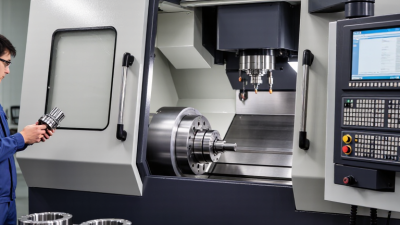
China’s CNC machining industry supports a wide range of 3-, 4-, and 5-axis production work. Experienced manufacturers usually match the machine configuration to the part, not the other way around. Three-axis machining handles flat surfaces, pockets, and many prismatic components efficiently. It often provides lower setup costs and straightforward inspection.
Four-axis machining adds controlled rotation around one axis. This allows several side features to be cut with fewer repositioning steps. Fewer setups can reduce alignment errors, especially on shafts, housings, and components with repeated radial details. However, the rotary axis still has practical limits. Complex angles may require additional fixtures or manual adjustments.
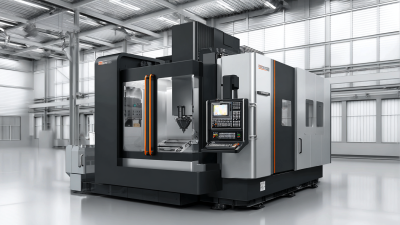
Five-axis machining moves the tool and workpiece through multiple coordinated directions. It can reach curved surfaces, deep cavities, and difficult orientations in fewer setups. This capability is valuable for aerospace structures, medical components, impellers, and precision prototypes. Skilled operators still matter. Programming quality, tool length, material behavior, and machine calibration directly affect results.
Small details matter.
A reliable supplier should provide material certificates, first-article measurements, dimensional reports, and clear tolerance reviews. Ask how the team controls burrs, surface finish, heat distortion, and tool wear during production. Some suppliers advertise five-axis capacity but use it only for positioning. That is not always a problem, but the quotation should explain the actual process. I have found that honest process limitations often reveal stronger engineering judgment than impressive machine lists.
Top 10 Manufacturers Ranked by ±0.01 mm Tolerance and Material Capacity
China Top 10 CNC Machining Parts Manufacturers?
A credible top-ten ranking should measure more than machine count. This comparison focuses on manufacturers that consistently report ±0.01 mm tolerance capability. It also examines material capacity, inspection systems, and production experience. A tight tolerance is meaningful only when verified across real parts, not shown on a brochure.
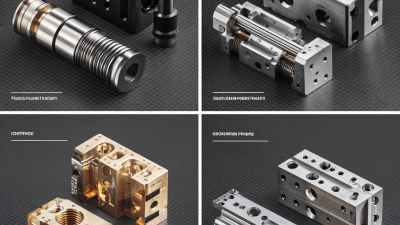
The strongest manufacturers usually process aluminum, stainless steel, carbon steel, brass, copper, titanium, and engineering plastics. Some support hardened alloys and complex medical-grade materials. Their workshops should provide coordinate measuring machines, calibrated gauges, and documented first-article inspections. Temperature control matters too. A workshop floor can change several microns during long production runs.
Capability varies by part size and geometry. Thin walls, deep cavities, and difficult internal threads can reduce practical accuracy. Therefore, the ranking should separate advertised precision from repeatable production results. Ask for sample inspection reports, process tolerances, surface-finish data, and material certificates. Real experience appears in these details.
A ±0.01 mm claim may apply only to selected dimensions. That is easy to overlook. Some manufacturers also rely heavily on manual finishing, which can create inconsistent edges or fit. This is where the ranking becomes less perfect and more useful: material range, quality control, communication, and honest tolerance limits should carry similar weight. A supplier that identifies manufacturing risks early may deserve more trust than one promising every specification.
ISO 9001, ISO 13485, and AS9100 Certifications in CNC Part Manufacturing
When assessing China’s top ten CNC machining parts manufacturers, certification should be examined before equipment lists or production claims. ISO 9001 indicates a controlled quality management system, from quotation review to final inspection. It does not automatically guarantee perfect parts. Buyers should verify the certificate’s scope, issuing body, site address, and expiry date.
ISO 13485
ISO 13485 is especially relevant to medical components. It emphasizes risk control, document traceability, process validation, and corrective action. A reliable manufacturer should identify each material lot and preserve inspection records. Ask how operators manage surface damage, burrs, cleaning, and packaging. Small details matter.
A polished sample may look excellent, while an uncontrolled process creates inconsistent batches. That gap deserves attention.
AS9100
AS9100 supports aerospace manufacturing through stronger configuration control, supplier evaluation, nonconformance management, and product safety practices. Reviewers should request first article inspection records, calibration logs, and evidence of employee training.
A capable shop can explain how it controls aluminum chips, tool wear, and dimensional drift during long runs. Certification alone is not enough. Audits can miss weak habits between formal reviews.
Therefore, a factory’s daily records, response time, and willingness to disclose limitations often reveal more than promotional language. Some manufacturers may lack a perfect process, but honest corrective action and measurable improvement are meaningful signs of reliability.
Comparing Capacity, Lead Times, MOQ, and Export Markets Across the Top 10
China’s top ten CNC machining parts manufacturers differ less in machine labels than in usable capacity. Large plants may run hundreds of turning and milling centers, while specialized workshops operate 20 to 60 machines. The bigger question is available capacity this month. I ask for spindle utilization, second-shift coverage, and inspection records before comparing quotations. A polished factory tour proves little.
Typical prototype lead times range from three to ten working days. Production orders often need three to eight weeks, depending on alloy, tolerances, tooling, and surface treatment. Fast delivery can hide rushed inspection. That risk matters. MOQ is usually flexible for prototypes, but repeat production may begin at 50, 200, or 1,000 pieces. Buyers should compare pricing at several volumes, not only the smallest order. One supplier may accept ten parts yet charge costly setup fees.
Export reach also separates the group. Some regularly ship to North America and Western Europe, supported by English documentation, traceability, and stable packing procedures. Others focus on Southeast Asia or domestic contracts and may need stronger guidance on customs paperwork. Ask for recent sample reports, material certificates, dimensional data, and references from similar industries. I have seen capable shops lose orders through unclear revision control. That is a practical weakness, not a minor detail. Capacity claims also deserve rechecking during peak seasons.
Aerospace, Automotive, Medical, and Electronics CNC Machining Applications
China Top 10 CNC Machining Parts Manufacturers?
A credible top-ten list should examine aerospace, automotive, medical, and electronics capabilities. Aerospace parts often require titanium machining, five-axis interpolation, and documented lot traceability. The International Air Transport Association reported continued passenger demand growth in 2024, increasing pressure on component supply chains. Manufacturers must control burrs, distortion, and microscopic surface damage. Small errors can ground a larger assembly.
Automotive demand is broader but less forgiving. China produced 31.28 million vehicles in 2024, according to the China Association of Automobile Manufacturers. This volume supports high-speed machining for brackets, transmission housings, battery plates, and sensor fixtures. Stable cycle times matter. So does repeatability across thousands of parts. A supplier may show excellent prototypes, yet struggle during production. That weakness deserves attention.
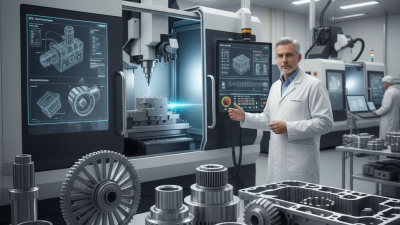
Medical machining needs different evidence. ISO 13485-based quality systems, material certificates, and inspection records should support implants, surgical tools, and diagnostic housings. Electronics parts demand clean handling, tight tolerances, and reliable thermal performance. The International Federation of Robotics reported 276,288 industrial robots installed in China during 2023, representing over half of global installations. Automation helps, but it does not replace skilled process review. In practice, the best manufacturers combine CMM inspection, controlled cutting parameters, and experienced engineers. Rankings remain imperfect when public data is limited. Procurement teams should verify audits, sample reports, lead times, and corrective-action history before selecting a supplier.
CNC Machining Materials for Aerospace, Automotive, Medical, and Electronics Applications
Representative density of commonly machined engineering materials, measured in g/cm³.
Material selection depends on strength, weight, corrosion resistance, biocompatibility, electrical conductivity, temperature resistance, and dimensional stability. Aluminum and engineering plastics are widely used where low weight is important, while titanium, stainless steel, copper, and nickel alloys are selected for demanding mechanical, thermal, or medical applications.