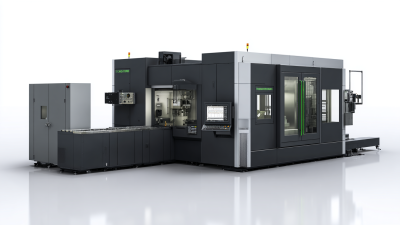
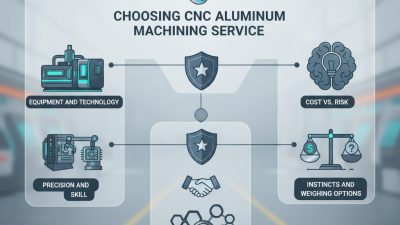
2026 Best 5 Axis CNC Milling Machine for Sale
Choosing the right 5 axis cnc milling machine can change how a shop handles complex parts. A single setup may reach angled faces, curved surfaces, and features that would otherwise require repeated repositioning. That can reduce handling and alignment errors. It does not guarantee better results, though. Tooling, programming, workholding, and operator skill still matter.
This 2026 guide looks at machines for sale through practical buying criteria: travel, spindle speed, rotary-axis range, control system, accuracy information, and service support. A machine cutting aluminum brackets may need different capabilities from one machining steel molds. Even small details deserve attention. Check the usable table area, not just the advertised axis travel. Ask how the supplier verifies accuracy, what training is included, and how quickly replacement parts can arrive. Those answers can reveal more than a polished product photo.
There is no universal winner. A high-spec model may be a poor fit for a small shop with limited floor space or power. Budget for installation, tooling, software, maintenance, and operator training, too. These costs are easy to underestimate. Some comparisons also rely on incomplete public specifications, so verify critical claims directly with the manufacturer or authorized dealer. The goal here is not to promise effortless machining, but to help buyers compare options with clearer expectations and fewer expensive surprises.
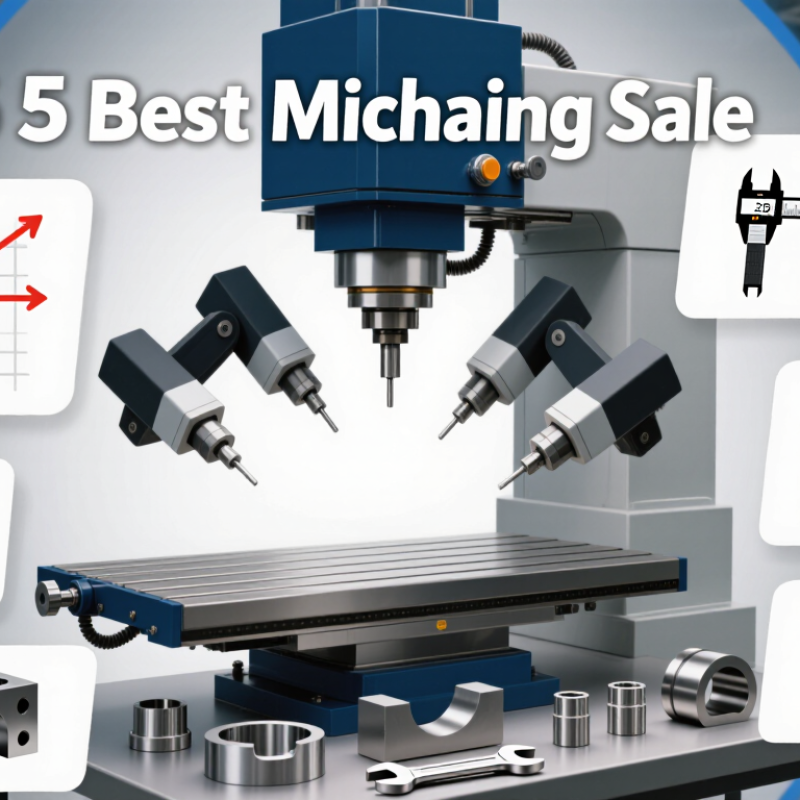
What a 5-Axis CNC Milling Machine Is and How It Works
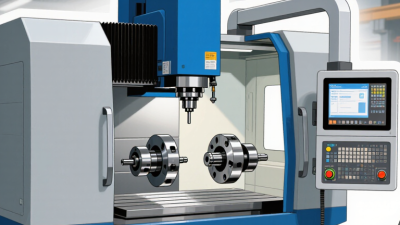
A 5-axis CNC milling machine moves a cutting tool along three linear axes and adds two rotary movements. These are commonly identified as X, Y, Z, plus two axes selected by the machine’s design. The extra rotations tilt the tool, turn the workpiece, or do both. This lets the cutter reach angled faces and curved surfaces with fewer manual repositionings. That matters. Fewer setups can reduce alignment errors and shorten production time, especially for parts with features on several sides.
Some machines use indexed positioning: the rotary axes move, stop, and hold while cutting occurs. Others can move rotary and linear axes together, allowing the tool to follow complex contours. A typical job starts with a digital part model, toolpath planning, and a securely clamped workpiece. The operator checks clearances, tool length, and the chosen rotation limits before machining. Small details matter. A poor fixture can block access or allow vibration, while an incorrect toolpath may cause a collision. Five axes do not guarantee a better part; setup, calibration, and cutting conditions still need careful review. Even experienced teams can misjudge clearance, so simulation and a cautious first run are worthwhile.
How Five-Axis Motion Enables Complex Machining
2026 Best 5 Axis CNC Milling Machine for Sale
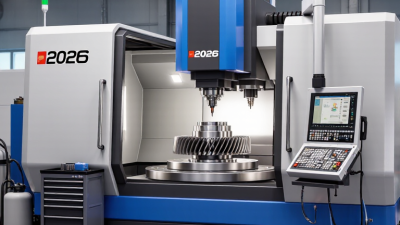
Five-axis motion adds rotation to the familiar linear movements of a milling machine. The tool can approach a part from different angles, often in one setup. This matters when machining curved housings, angled ports, or turbine-like surfaces. Fewer repositioning steps can reduce handling time and alignment errors. Small details matter.
With simultaneous five-axis movement, the cutter and workpiece change orientation while cutting. The tool can stay closer to the ideal angle, which may improve surface finish and help reach deep features. In practice, results depend on programming, tool length, rigidity, and careful setup. A machine’s advertised axis count alone tells little about its real capability. Not always.
When comparing a five-axis CNC milling machine for sale, check the working envelope, rotary-axis limits, control features, and support for collision checking. Ask how the machine handles the part sizes and materials you actually use. A short test cut can reveal vibration, access limits, and setup issues that specifications miss. The process can look elegant on screen and still need adjustment at the machine; that is worth planning for.
Main Machine Types and Their Typical Applications
Five-axis machines differ mainly in how their rotary axes are arranged. A trunnion-style machine tilts and rotates the table, making it practical for compact parts machined from several sides. It suits impellers, medical components, and small aerospace housings. A swivel-head design moves the spindle instead, leaving heavy workpieces on a fixed table. This can help with large structures, though tool access and machine rigidity need careful checking. Head-table combinations split movement between spindle and table, offering flexibility for varied jobs.
The right choice depends on part size, material, setup time, and access to deep features. Aluminum aerospace parts often benefit from fewer setups; hard alloys demand stable fixturing and sensible cutting parameters.
The International Federation of Robotics’ World Robotics 2024 report counted 4,281,585 industrial robots operating worldwide in 2023, up 10% year over year. That figure describes automation broadly, not five-axis machine adoption, but it highlights the value of planning machine and automation workflows together.
A machine with more axes is not automatically more productive. That is easy to overlook.
Tips: Bring a representative part drawing to the supplier. Check rotary travel, spindle clearance, workholding, and postprocessor support. Ask for a trial cut in your actual material; glossy demonstrations can miss real setup problems.
Key Specifications to Compare Before Buying
Compare usable travel, not just the machine’s footprint. A long table may still limit access when the rotary axes tilt a tall part. Check table load, workpiece diameter, axis torque, and clearance with your real fixture installed. Spindle power matters, but so do torque at low speed and the tool taper. Ask for positioning accuracy and repeatability test results under ISO 230-2; a brochure’s “accuracy” figure is not enough.
Automation makes reliable integration more important. The International Federation of Robotics’ World Robotics 2024 report recorded 4,281,585 industrial robots operating worldwide in 2023, up 10% year over year. That does not prove every shop needs automation. It does make probing, tool monitoring, and robot-ready interfaces worth checking. Deloitte and The Manufacturing Institute’s 2024 study projects 3.8 million US manufacturing jobs may be needed by 2033, with 1.9 million potentially unfilled. A clear control interface and practical training can matter as much as peak spindle speed.
Tips: Request a test cut using your material, cutter, and part geometry. Measure the finished part after warm-up, not only during a short demo. Ask how thermal drift is checked. Specs can look perfect on paper. Real cuts may disagree. One awkward detail: vendors do not always publish comparable test conditions, so verify the measurement method before comparing numbers.
How to Evaluate a 5-Axis CNC Milling Machine for Sale in 2026
When evaluating a 5-axis CNC milling machine for sale in 2026, match its motion system to the parts you actually make. A machine that supports simultaneous 5-axis cutting is different from one that mainly indexes parts in 3+2 mode. Ask for the usable work envelope with the rotary table tilted, not just the advertised travel. Check whether your largest fixture, tool, and part can clear the spindle head. Small clearances matter.
Look beyond the spindle’s maximum speed. Review torque across the speeds used by your materials, along with tool-change time and coolant delivery. Request test results for rotary-axis positioning and repeatability, then run a representative part if possible. Inspect the cut surface and measure critical features with suitable equipment. A showroom demonstration is useful, but it cannot replace a test using your tooling and setup. That takes time.
Also examine service access, control features, probing options, and chip removal. Ask what calibration includes and how often it is recommended. For a used machine, compare the maintenance records with the machine’s actual condition. Listen during axis movement. Check for backlash or unusual noise. I would not treat one impressive tolerance figure as proof of overall accuracy; measurement methods and operating conditions matter. Some purchase decisions still involve compromise, so write down which limits your shop can accept before comparing quotes.