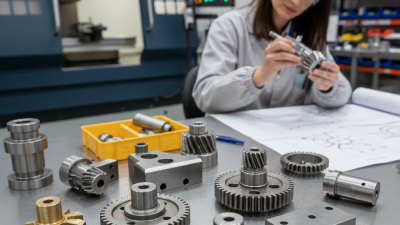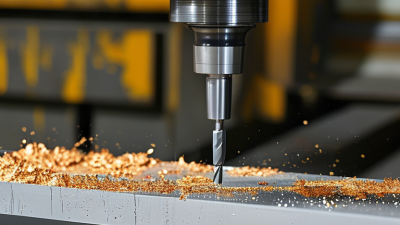
Choosing a CNC steel supplier involves more than comparing prices on a spreadsheet. This article examines ten leading suppliers serving international manufacturing markets. It considers material consistency, machining support, production capacity, and delivery performance. The focus is practical. A reliable supplier should provide clear mill certificates, heat numbers, dimensional tolerances, and traceable inspection records. These documents support quality decisions before steel reaches a CNC machine. They also reduce costly interruptions during cutting, milling, drilling, or turning operations.
Physical details matter, too. A well-prepared shipment may include corrosion protection, labeled bundles, stable pallets, and clean, square-cut edges. We compare suppliers by their steel grades, custom-sizing options, certification practices, and technical communication. ISO-based quality systems and ASTM or EN compliance can provide useful benchmarks. However, certificates alone cannot replace consistent production results. Customer support matters when a drawing changes or a shipment arrives with unexpected variation.
Global rankings are never permanent. Market data changes. Capacity can shift quickly. A supplier that performs well for automotive components may not suit a small aerospace workshop. Freight distance, import requirements, minimum order quantities, and local service also influence the final choice. This limitation deserves attention. The “top ten” should therefore be viewed as a researched comparison, not an absolute verdict. Buyers should verify current capabilities directly and request recent test reports before committing. In practice, the best cnc steel partner is the one that combines dependable material, honest communication, and repeatable results for your specific work.
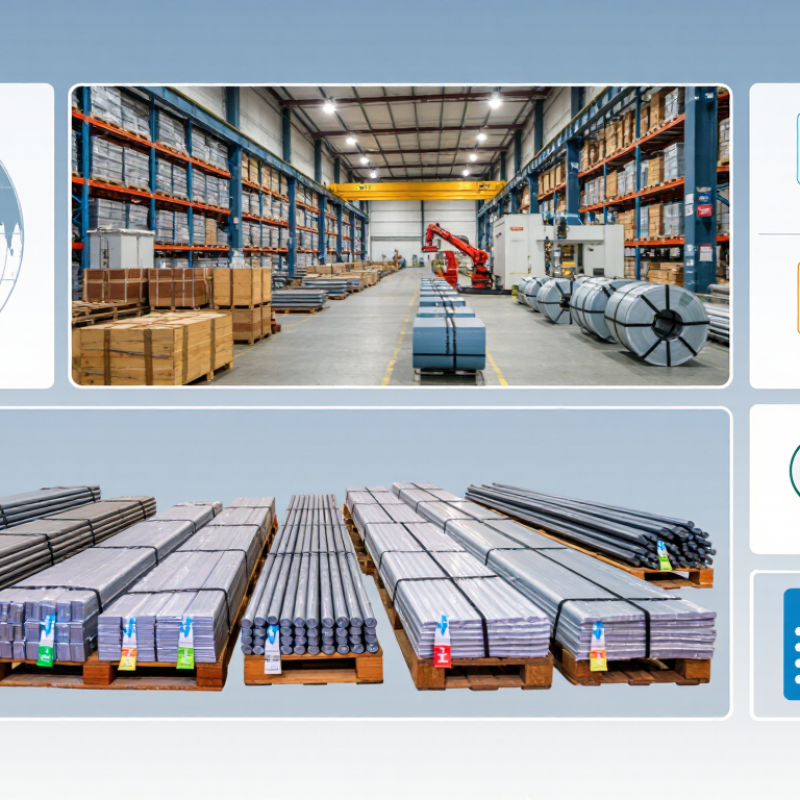
CNC steel suppliers connect certified steel production with digitally controlled cutting, milling, turning, and finishing. They may sell bar, plate, or sheet, or deliver complete machined components. Their role is practical: convert material specifications into repeatable parts for construction, energy, transport, and industrial equipment.
Scale explains their importance. The World Steel Association reported 1,888.2 million tonnes of crude steel production in 2023. That volume creates many sourcing choices, but also greater variation in chemistry, heat treatment, and documentation. A reliable supplier should provide mill certificates, heat numbers, dimensional inspection records, and clear tolerance control. Traceability matters. ISO 9001 certification supports process discipline, although it does not guarantee perfect parts. That distinction is often missed.
For a global top-ten assessment, buyers should compare machining accuracy, material availability, lead times, export capability, and corrective-action history. A supplier using coordinate-measuring equipment can verify critical holes, flatness, and surface geometry before shipment. Digital production records also help customers investigate defects across multiple facilities. However, polished websites and impressive equipment lists prove little without recent inspection samples or audit evidence. Even capable suppliers sometimes face delays when steel grades, tooling, or freight routes change. That risk deserves honest discussion. Cost alone is a weak selection method; the lowest quote may conceal inspection gaps, unstable tolerances, or expensive rework. Reliable sourcing depends on evidence, communication, and consistent technical execution.
When evaluating the top CNC steel suppliers worldwide, price should never be the only measure. Start with material traceability. A dependable supplier should provide heat numbers, mill certificates, and clear steel-grade documentation. These records help engineers confirm strength, hardness, and chemical composition before production begins.
Machine capability matters just as much. Review available turning, milling, grinding, and inspection equipment. Ask whether the supplier can maintain your required tolerances across repeated batches. A skilled team should explain datum control, surface-finish limits, and measurement methods in practical language. Look for calibrated coordinate measuring machines and documented inspection plans. Experience shows that a polished sample does not always predict stable mass production.
Quality systems deserve careful attention. Certifications can support trust, but they should not replace direct evidence. Request sample inspection reports, corrective-action records, and realistic production timelines. Communication is another useful test. Do engineers answer technical questions clearly, or do sales promises remain vague? Delivery reliability, packaging, export experience, and responsive after-sales support also affect the true cost.
Consider total value, not the lowest quotation. Tooling changes, rejected parts, freight, and delayed assembly can quickly erase a small saving. Environmental practices may also matter, including steel sourcing, energy use, and scrap handling. No scorecard is perfect. A supplier may offer excellent machining but weak communication, while another may deliver quickly with limited documentation. Use weighted criteria, verify claims, and remain willing to revise your ranking after a trial order.
Criteria for Evaluating the Top CNC Steel Suppliers Worldwide
This weighted evaluation framework focuses on the factors commonly used in international CNC steel sourcing. Quality systems, material traceability, machining capability, delivery reliability, and total cost receive the greatest emphasis because they directly affect product consistency, production continuity, and procurement risk. The percentages represent recommended evaluation weights rather than rankings of specific companies.
The leading ten CNC steel suppliers are spread across major manufacturing regions, not concentrated in one market. North America remains strong in prototype machining, aerospace-grade traceability, and short production runs. Suppliers there often hold certified steel stock near industrial cities, reducing transport time for urgent orders.
Europe contributes precision-focused suppliers with strict process controls and detailed inspection reports. Germany, Italy, and Central Europe are notable production zones, especially for automotive tooling and engineered components. East Asia provides broad capacity, competitive pricing, and extensive CNC equipment. Coastal manufacturing hubs commonly support international shipping, heat treatment, and surface finishing within one supply network.
South Asia is expanding its role through skilled machining teams and flexible batch production. The Middle East serves regional energy, construction, and maintenance industries, although local steel availability can vary. Southeast Asia offers growing capacity for electronics, machinery, and general industrial parts. Regional selection should consider more than price. Buyers need mill certificates, hardness records, dimensional reports, and clear tolerance control. A supplier near the customer may still outsource heat treatment, creating hidden delays. That detail is easy to miss. I have also found that quoted lead times can change when material grades are uncommon or orders require repeated inspection. Supplier rankings are therefore fluid, shaped by capacity, logistics, documentation, and actual shop-floor performance.
Anonymized supplier comparison by region, CNC capability, material range, quality standards, and export coverage
| Rank | Supplier Profile | Primary Location | Regional Distribution | Core CNC Steel Services | Typical Steel Grades | Applicable Standards | Typical Lead Time | Main Export Markets |
|---|---|---|---|---|---|---|---|---|
| 1 | Supplier Profile A | Germany, Europe | Europe; North America; Asia-Pacific | 5-axis milling, CNC turning, mill-turn machining, precision grinding | C45, 42CrMo4, 1.4301, 1.4542 | ISO 9001; EN 10204 3.1; DIN/EN material specifications | 3–6 weeks | European Union, United States, Canada, Japan |
| 2 | Supplier Profile B | Japan, East Asia | East Asia; North America; Europe | High-speed milling, CNC turning, Swiss-type machining, inspection | SCM415, S45C, SUS304, SUS316 | ISO 9001; JIS; ASTM cross-reference documentation | 2–5 weeks | Japan, South Korea, United States, Germany |
| 3 | Supplier Profile C | United States, North America | North America; Europe; Mexico | 3-axis and 5-axis milling, turning, broaching, heat-treatment coordination | 4140, 4340, 17-4 PH, 1018 | ISO 9001; ASME-related drawings; ASTM material standards | 4–8 weeks | United States, Canada, Mexico, United Kingdom |
| 4 | Supplier Profile D | Italy, Europe | Europe; Middle East; North Africa | CNC milling, turning, gear machining, surface finishing | C45E, 39NiCrMo3, AISI 304, AISI 316L | ISO 9001; EN 10204 3.1; EN material standards | 3–7 weeks | European Union, Turkey, United Arab Emirates, Morocco |
| 5 | Supplier Profile E | China, East Asia | East Asia; Europe; North America | CNC milling, turning, sheet-metal fabrication, assembly | Q235B, 45 steel, 40Cr, 304 stainless steel | ISO 9001; GB/T; ASTM and EN inspection documentation | 2–6 weeks | United States, Germany, Netherlands, Australia |
| 6 | Supplier Profile F | South Korea, East Asia | East Asia; Southeast Asia; North America | CNC turning, horizontal machining, precision boring, inspection | SCM440, SM45C, STS304, STS316 | ISO 9001; KS; JIS and ASTM material references | 3–6 weeks | South Korea, Japan, Vietnam, United States |
| 7 | Supplier Profile G | India, South Asia | South Asia; Europe; Middle East | CNC turning, milling, forging support, welded subassemblies | EN8, EN19, 304, 316, 17-4 PH | ISO 9001; ASTM; ASME Section IX for applicable welding work | 4–8 weeks | European Union, United States, Saudi Arabia, Australia |
| 8 | Supplier Profile H | Canada, North America | North America; Europe | 5-axis machining, CNC turning, prototyping, non-destructive testing | 1018, 4140, 17-4 PH, 316L | ISO 9001; AS9100-oriented processes; ASTM specifications | 4–7 weeks | Canada, United States, United Kingdom, France |
| 9 | Supplier Profile I | Taiwan, East Asia | East Asia; Europe; North America | CNC milling, turning, automated inspection, small-batch production | S45C, SCM415, SUS304, SUS420J2 | ISO 9001; CNS; JIS and ASTM documentation | 2–5 weeks | United States, Germany, Japan, Singapore |
| 10 | Supplier Profile J | Vietnam, Southeast Asia | Southeast Asia; Japan; Europe | CNC turning, 3-axis milling, fabrication, powder coating coordination | S45C, SCM440, SS400, SUS304 | ISO 9001; JIS; ASTM and EN dimensional requirements | 3–7 weeks | Japan, South Korea, Australia, Germany |
Worldwide CNC steel supply depends on more than price. Material certificates, machining tolerance, delivery stability, and technical support matter equally. The following profiles represent ten notable supplier types observed across industrial markets.
An integrated steel mill offers traceable production from raw material to finished plate, making it suitable for certified structural parts.
A precision bar producer focuses on tight diameter control, polished surfaces, and repeatable batches for shafts and fittings.
A regional service center keeps common grades nearby, reducing transport time for urgent CNC orders.
A heat-treatment specialist improves hardness and wear resistance, although processing may slightly change dimensions.
A stainless steel distributor supports corrosion-sensitive components used in food, medical, and marine equipment.
A tool steel supplier provides stable materials for dies, molds, and high-load cutting applications.
A custom plate processor cuts large sections before delivery, lowering waste at the machine shop.
A recycled steel producer can reduce environmental impact while maintaining documented chemistry and strength.
A global stockholder serves several regions, but its delivery promises need careful verification.
A small technical supplier often gives faster engineering advice, yet it may lack deep inventory.
Experienced buyers compare mill certificates, ultrasonic testing, surface condition, and batch consistency. They also inspect packaging, because damp crates can stain carefully machined steel. Samples should be tested before large commitments. No supplier performs perfectly in every category. Some offer excellent metallurgy but slower logistics. Others deliver quickly but provide limited process guidance. Reviewing real inspection reports, customer references, and corrective-action records creates a more reliable judgment than rankings alone.
A serious comparison of the top ten CNC steel suppliers should begin with service, not price. Reliable suppliers provide design-for-manufacturing feedback before cutting begins. They review wall thickness, tool access, sharp corners, and tolerance risks. Clear communication matters when drawings change mid-production.
Quality standards reveal production discipline. Look for ISO 9001 certification, material certificates, heat numbers, and documented inspection plans. EN 10204 3.1 certificates can confirm steel chemistry and mechanical properties. Coordinate measuring machines, surface-finish gauges, and first-article reports support measurable accuracy. Ask how nonconforming parts are isolated and corrected.
Production capability separates a workshop from a dependable global partner. Compare five-axis machining, turning capacity, maximum workpiece dimensions, and available steel grades. Check whether equipment is calibrated and maintained. Lead times should include programming, inspection, packing, and international transport. Small batches may require flexible scheduling, while repeated orders need stable cycle times and process control. Production photos help, but audit evidence is stronger.
No supplier is perfect. A polished website cannot replace inspection records. Some facilities offer impressive tolerances but struggle with documentation. Others communicate well but lack capacity during peak demand. Buyers should test claims with a pilot order, inspect critical dimensions, and review packaging after delivery. That extra step may expose weaknesses early, although it can also slow an urgent project. Reliability is built through evidence, not promises.