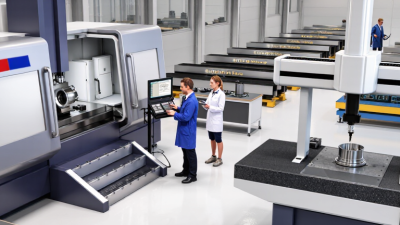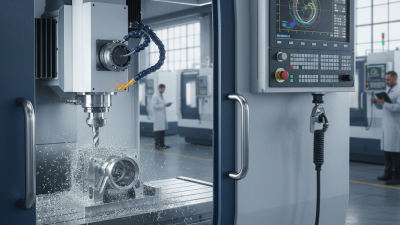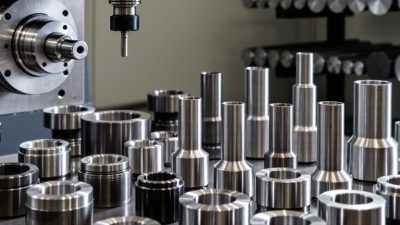
post thumbnail
Our pricing model is flexibly designed to give you the most possible advantages of a continuing partnership.

Top 10 High Precision Machining Companies for Global Buyers

Choosing a high precision machining company is rarely just a price decision. A drawing may look complete, yet small details can change cost, lead time, or part performance. Material grade, tolerance bands, surface finish, and inspection methods all deserve close review. One overlooked datum can cause trouble later. Details matter. Global buyers must also consider communication, production capacity, packaging, and shipping arrangements. A capable supplier should explain its processes clearly and provide relevant quality documentation, rather than relying on broad promises.

This guide introduces ten companies for buyers comparing machining partners across international markets. It offers a practical starting point, not a universal ranking or a substitute for technical evaluation. Company capabilities can vary by facility, material, part size, and production volume. Ask for evidence that matches your project: sample inspection reports, process details, and confirmation of critical tolerances. No comparison is perfect. A supplier’s published capabilities may not answer every question, and a polished website is not proof of consistent results. Share a clear drawing and request a focused review before making a commitment. The right high precision machining partner should understand the part’s function, identify possible manufacturing risks, and communicate limits early. That conversation can reveal more than a price sheet.
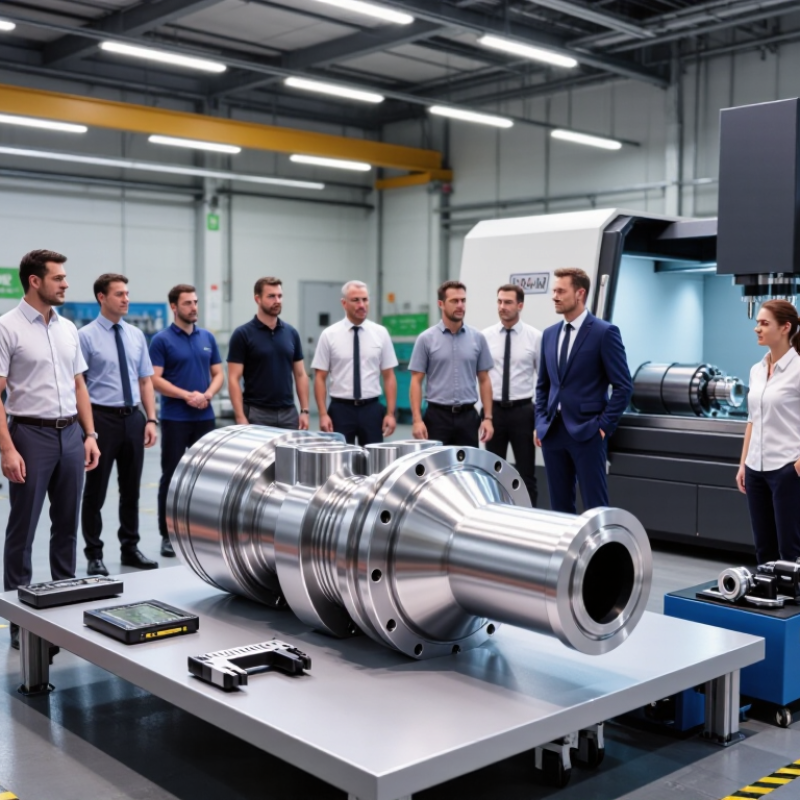
Top 10 High Precision Machining Companies for Global Buyers

What High-Precision Machining Means for Global Buyers

For global buyers, high-precision machining is not a marketing label. It means controlled geometry, repeatable dimensions, and documented verification. A tight tolerance matters when it protects a part’s fit, seal, movement, or load performance. A micron number alone tells little. Material behavior, temperature, and tolerance stack-ups can all affect the finished assembly. Ask how the supplier measures critical features, tracks tool wear, and handles nonconforming parts. Review calibration records, first-article inspection reports, and capability data for the actual feature. Not just a certificate.

Automation can support consistency, but it does not guarantee accuracy. World Robotics 2024 reported 4.28 million industrial robots operating worldwide in 2023, a 10% increase from 2022. That is useful context, not proof that any machined part meets its drawing. Fixture design, cutting strategy, and inspection remain decisive. A polished report can still miss a practical issue: does the measurement method reflect the part’s real function?

Workforce capacity also affects delivery and process control. A 2021 study by Deloitte and the Manufacturing Institute estimated that up to 2.1 million U.S. manufacturing jobs could go unfilled by 2030. For buyers, this makes documented procedures and cross-trained inspection staff worth checking alongside machine lists. Request sample inspection records, clarify measurement units, and confirm how results are shared across time zones. A supplier may meet a tolerance once; stable production is the harder question.

How the Top 10 Companies Were Selected

To compare high precision machining companies fairly, selection should begin with evidence, not polished claims. We would review documented quality systems, inspection methods, material traceability, and experience with demanding tolerances. A capable supplier should explain how it measures a bore or flatness requirement, not simply promise accuracy. That distinction matters.

We would also consider equipment range, production capacity, and the ability to support prototypes through repeat orders. Practical signs include calibrated measuring instruments, clear inspection records, and realistic communication about lead times. Customer feedback can add context, but it should be checked against project details where possible. No single metric tells the whole story.

The ranking should account for fit across industries and regions, including technical support and shipping coordination. Yet public information is uneven, and a strong website cannot verify shop-floor performance. That is a limitation. Buyers should request sample inspection reports, discuss drawing revisions, and confirm how nonconforming parts are handled. These checks make the shortlist more useful, though they do not replace an audit or a trial order. A supplier may excel at small, complex parts but struggle with large batches; the right choice depends on the actual job.

Top 10 High Precision Machining Companies for Global Buyers - How the Top 10 Companies Were Selected

Selection framework: The criteria and weights below describe an editorial evaluation model, not verified scores or claims about individual companies. Evidence should be checked directly with each supplier.

Evaluation criterion Weight Evidence to review Why it matters to global buyers
Machining capability and process fit 20% Equipment and process list; supported part sizes; demonstrated ability to meet drawing requirements. Confirms the supplier can produce the part and features required by the specification.
Quality management system 18% Current certificate scope and validity, where applicable, such as ISO 9001 or industry-specific standards. A documented quality system helps define and control production and inspection processes.
Inspection and measurement capability 15% Inspection equipment, calibration records, measurement reports, and plans for critical characteristics. Reliable measurement helps verify conformance to tolerances and drawing requirements.
Materials and process coverage 12% Documented experience with the buyer’s specified metals, plastics, finishes, and secondary operations. Material and process compatibility affects part performance, manufacturability, and compliance.
Engineering and design-for-manufacture support 10% Technical review process, drawing clarification practices, and documented suggestions for manufacturability. Early technical communication can identify production risks before parts are made.
Production capacity and delivery planning 8% Capacity information, production planning approach, stated lead times, and delivery performance records. Capacity and planning affect the supplier’s ability to support sample, repeat, and volume orders.
Traceability and production documentation 7% Lot or material traceability, inspection records, certificates, and document-retention practices. Clear records support audits, investigations, and customer or regulatory requirements.
Relevant industry experience 5% Relevant project examples and experience with applicable customer specifications or sector requirements. Relevant experience can indicate familiarity with application-specific expectations.
Export and logistics readiness 3% Export documentation process, packaging options, shipping terms, and experience serving the destination market. International order handling can affect shipment coordination and import documentation.
Communication and customer support 2% Response process, technical contact availability, and clarity of quotations and order updates. Responsive communication helps resolve technical and schedule questions across time zones.
Total editorial weighting 100% Use the same criteria consistently when comparing suppliers; verify certificates, capabilities, and performance claims with current documentation.

Profiles of 10 High-Precision Machining Companies

Because supplier capabilities vary, these profiles describe ten common machining-company models, not verified rankings. Aerospace specialists often machine aluminum or titanium parts and document inspection results. Medical-device suppliers may prioritize small features, clean handling, and traceable material records. Semiconductor-focused shops work with tight tolerances and carefully controlled processes. Automotive suppliers tend to emphasize repeatability across production runs. Energy-sector machinists may handle larger, tougher components. Details matter.

Tooling specialists produce molds, fixtures, and dies, where surface finish affects fit. Prototype shops support design changes with short runs and flexible setups. Large-part providers use extended machine beds for housings or structural components. Micro-machining firms target tiny holes, narrow slots, and delicate edges. Turnkey suppliers combine machining with finishing, inspection, or assembly. Some do not. Buyers can compare sample inspection reports, material certificates, equipment capacity, and quoted lead times. A polished website is not proof of process control; request evidence tied to a comparable part. Check how the shop handles revised drawings, tolerance questions, and nonconforming parts before committing to production. A missed detail can become costly.

Precision Tolerance Reference for Global Machining Buyers

ISO 286 standard tolerance widths for nominal dimensions in the 10–18 mm range

Smaller tolerance widths indicate tighter dimensional limits. These ISO 286 values provide a standards-based reference for discussing precision requirements; they are not a guarantee of any supplier’s machining capability.

Comparing Capabilities, Certifications, and Industries

Comparing ten high-precision machining suppliers means looking beyond advertised tolerances. Ask for capability data tied to the actual material, geometry, and batch size. A five-axis mill can cut a titanium housing, but thin walls may distort after unclamping. Request first-article inspection records, CMM calibration intervals, and process-capability results—not just a machine list. ISO’s 2022 Survey recorded 1,265,216 valid ISO 9001 certificates across 188 countries and economies. That scale is useful context, not proof of machining quality. ISO 9001 concerns management systems; it does not certify a part’s dimensional accuracy. Easy to overlook.

Certifications should fit the industry and the supplier’s actual work scope. Aerospace buyers may seek AS9100 certification, while medical-device projects often require ISO 13485 controls. Check which facility and processes the certificate covers. Then compare materials, surface finishes, inspection methods, and traceability requirements. The Reshoring Initiative’s 2023 Annual Report counted 287,000 announced U.S. reshoring and foreign-investment jobs. That points to changing supply-chain priorities, not guaranteed machining demand. I would treat supplier rankings cautiously, too: a strong aerospace record may say little about small medical components. A better comparison uses matching parts, documented inspection evidence, and clear answers about capacity.

How to Choose a Machining Partner for Global Projects

For global projects, select a machining partner by verified process capability, not a polished website or the lowest quote. Share a representative drawing and ask how the supplier will control critical dimensions, material batches, and revisions. Request sample inspection records, measurement-equipment details, and a first-article plan.

The ISO Survey of Management System Standard Certifications recorded more than 1.2 million valid ISO 9001 certificates across 189 countries and economies in 2022.

Certification can indicate a documented quality system, but it does not prove a supplier can hold your specific tolerance. That is not enough.

Communication and delivery planning matter just as much as machine capacity. The World Bank’s 2023 Logistics Performance Index assessed 139 economies across six dimensions, including customs, tracking, and timeliness.

Ask who manages export documents, protective packaging, and shipment updates, and what happens when inspection finds a defect. A useful test is a short technical call: can the team explain its inspection method without hiding behind jargon? Check the details.

Compare total landed cost, including freight, rework risk, and lead-time buffers—not unit price alone.

One imperfect lesson: even a strong audit can miss slow responses during a real production change. Test that early, with a small pilot order and clear acceptance criteria.