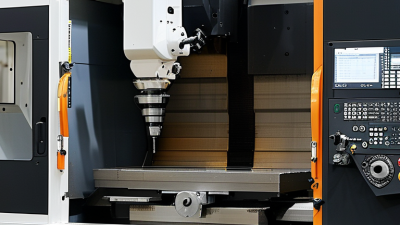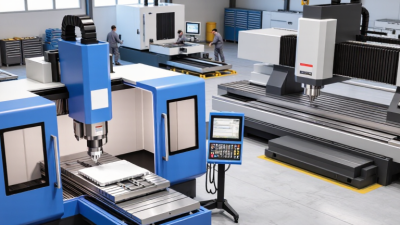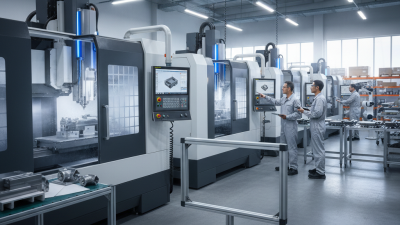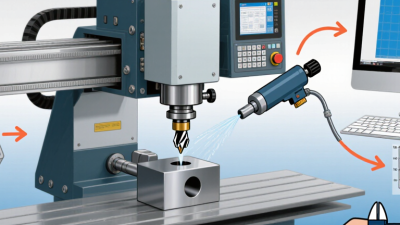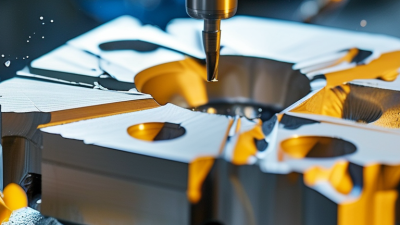
Choosing the right axis cnc machine is a production decision, not merely a purchasing exercise. The wrong specification can create vibration, idle time, and expensive rework. A suitable machine should match your materials, part geometry, tolerances, batch sizes, and operator skills.
Industry data supports careful evaluation. Deloitte’s 2024 Smart Manufacturing and Operations Survey found that 86% of manufacturing leaders expect smart manufacturing to become a primary competitiveness factor within five years. That expectation raises the importance of connected controls, reliable data collection, and practical automation. Grand View Research also identifies automation, precision, and advanced control systems as major forces shaping the CNC machine market. These trends sound impressive. They do not guarantee a profitable purchase.
This guide presents seven practical tips for comparing axis configurations, work envelopes, spindle performance, machine rigidity, control systems, maintenance support, and total ownership cost. Pay attention to physical details. A heavy cast frame may reduce chatter during aluminum cutting. A larger table may prevent awkward fixture changes. A responsive local technician can matter more than a slightly faster rapid rate. Ask suppliers for test cuts using your actual material and tooling. Review cycle-time estimates carefully. Marketing figures often use ideal conditions.
There is also room for honest doubt. More axes do not automatically mean better results. Complex machines can increase programming demands and maintenance risk. The best axis cnc machine is the one your team can operate consistently, service confidently, and justify financially. Reports provide useful direction, but your parts, people, and factory floor should make the final decision.
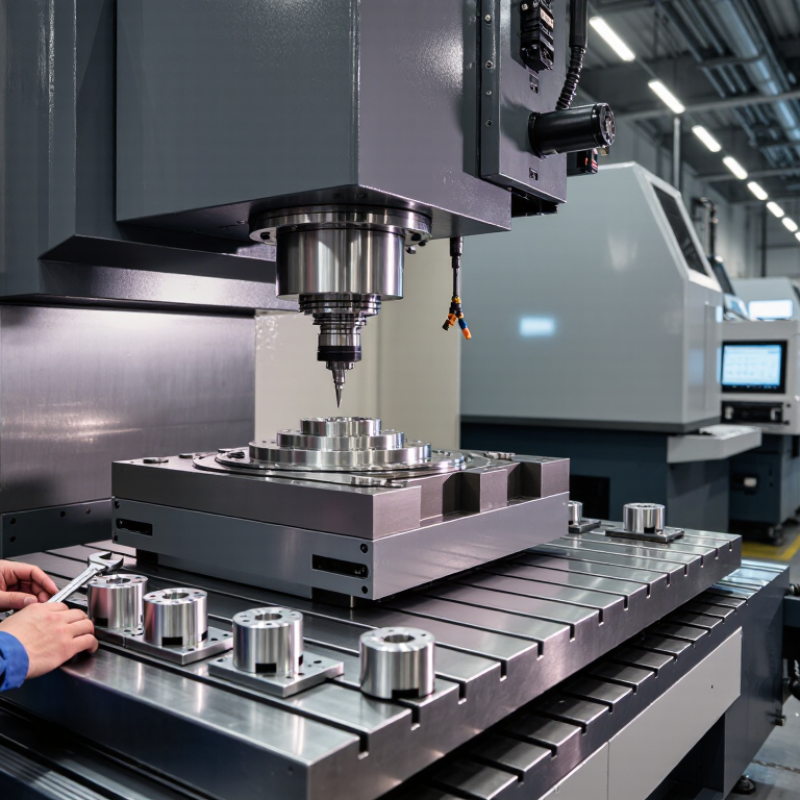
Before choosing an axis CNC machine, define the parts it must produce. Study the drawings, material, dimensions, and surface finish. A small aluminum bracket needs different capacity than a hardened steel housing. Record the largest part length, width, height, and weight. Include fixture space. Many purchasing errors begin with measurements taken too late.
Map every machining feature. Straight pockets and vertical holes may suit a three-axis machine. Angled faces, deep cavities, or multiple hole directions may require four or five axes. More axes can reduce repositioning, but they also increase programming demands and maintenance needs. Do not select extra capability without a clear production reason. It can become expensive unused capacity.
Set realistic tolerances and repeatability targets. A general structural component may not need the same precision as a medical or aerospace part. Confirm spindle speed, tool diameter, workholding method, coolant needs, and software compatibility. Estimate weekly volume and acceptable cycle time. High volume may justify automation, while prototypes often benefit from flexible setup changes. I once underestimated fixture-changing time, and the machine looked faster only on paper. Ask an experienced machinist to review the process plan. Leave room for imperfect tools, operator learning, and material variation.
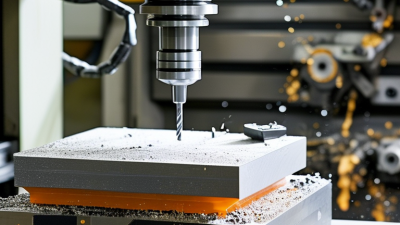
Compare axis configurations before comparing prices. A three-axis CNC machine moves along X, Y, and Z, making it suitable for plates, pockets, and straightforward prismatic parts. It is easier to program and maintain. However, deep side features may require several setups. Each extra setup can introduce alignment errors.
A four-axis machine adds rotary movement around one linear axis. This configuration reaches multiple faces without removing the workpiece. It can reduce handling time for shafts, flanges, and indexed holes. A five-axis machine adds another rotary direction, allowing the tool to approach curved surfaces from changing angles. Simultaneous five-axis cutting improves access to impellers, molds, and complex aerospace-style components. It also demands stronger CAM skills and careful collision checking.
More axes do not automatically mean better production. Check the machine’s rigidity, rotary accuracy, spindle speed, work envelope, and controller functions. During shop trials, compare cycle time, surface finish, and repeatability on your actual material. Aluminum may hide weaknesses that hardened steel exposes quickly. I have seen an advanced configuration underperform because its workholding was too small. That detail is easy to miss. Review tool access, operator training, maintenance support, and post-processor reliability. A simpler machine can be the safer choice when most parts need only three faces and stable tolerances.
7 Tips for Choosing the Best Axis CNC Machine
Evaluate Machine Accuracy, Speed, and Workpiece Compatibility
Start by defining the tolerances your parts actually require. A machine rated for tight accuracy may still produce variation from heat, vibration, or poor calibration. Check positioning accuracy, repeatability, spindle runout, and thermal compensation data. Ask for test-cut results using material similar to yours. Measure twice.
Speed matters, but maximum spindle speed rarely tells the whole story. Compare acceleration, rapid-feed rates, tool-change time, and cutting performance under load. A slower machine can deliver better surfaces when rigidity is stronger. Review cycle-time estimates with realistic feeds and depths. Speed is not everything. I once trusted a headline speed figure and underestimated setup delays.
Match the machine envelope to your largest workpiece, including fixtures and tool clearance. Confirm table load, axis travel, spindle reach, and chip-removal space. Heavy steel parts need different rigidity than small aluminum components. Consider the fourth or fifth axis only when your production requires its access or reduced repositioning. Check control usability, probing options, maintenance access, and operator training needs. These details influence reliability more than brochures suggest.
Request sample parts, inspection reports, and service response times before purchasing. Verify whether accuracy remains stable after several hours of operation. A practical trial can expose weaknesses that specifications hide. Leave room for future tooling and slightly larger workpieces. My early assumption was wrong: the cheapest cycle time was not the lowest production cost.
Choosing an axis CNC machine starts with the control system, not its advertised speed. In daily production, operators need clear alarms, predictable menus, and quick access to tool offsets. Test the interface with gloves on. Load a sample program, pause it, and recover from a simulated tool-change stop. A reliable control should show feed rate, spindle load, and active coordinates without hidden screens. I once underestimated alarm wording; vague messages caused more delay than a slower cycle.
Software compatibility deserves equal attention. Confirm that the machine reads your existing file formats and supports secure program transfer. Check simulation, collision alerts, tool libraries, and revision tracking. Ask whether updates preserve proven settings. A polished demonstration can hide awkward workflows. Request a hands-on trial using a part similar to yours, including curved surfaces and several tool changes. Also inspect data backups. Losing a week of programs is expensive.
Maintenance planning reveals the machine’s real cost. Look for accessible filters, lubrication points, diagnostic logs, and documented service intervals. Ask how quickly qualified support can respond, and verify replacement component lead times. Operator skill matters just as much. Choose training that covers setup, probing, offset checks, safe recovery, and preventive care. Watch trainees perform these tasks instead of accepting attendance sheets. Experience teaches caution, but it can also create habits. I still review our setup checklist because familiar routines sometimes conceal small, repeatable errors.
A low purchase price can hide expensive operating habits. Build a five-year cost sheet covering the machine, installation, tooling, software, training, energy, maintenance, and financing.
The U.S. Department of Energy reports that compressed air may consume 10–30% of a plant’s electricity.
Include coolant pumps, chip removal, and standby power. Small leaks become large bills. Request measured energy data from comparable machines, not optimistic brochure estimates. Add expected downtime and replacement parts. Your spreadsheet may still be wrong.
Use seven practical checks before signing:
Ask the supplier for references from similar materials and production volumes. Then call those users directly.
The 2024 Deloitte Smart Manufacturing Survey reported that 92% of surveyed manufacturers viewed smart manufacturing as important for future competitiveness.
That expectation makes software updates, remote diagnostics, and data access important cost factors.
Supplier support needs written proof. Confirm response times, technician coverage, warranty exclusions, preventive-maintenance schedules, and the training included after installation.
Ask who handles failures at night. Ask again.
A capable supplier should provide installation requirements, acceptance-test procedures, and a realistic parts list. Compare service contracts over five years, not just during warranty.
A cheaper machine can become costly when one spindle failure stops a full shift. Keep a contingency reserve, because production changes faster than purchasing plans.