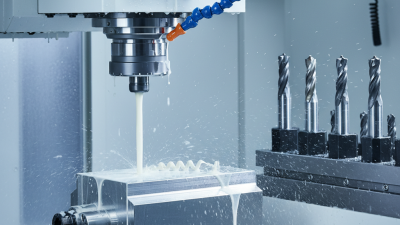
China Top 10 CNC Aluminum Machining Companies?
Choosing among China’s top 10 CNC aluminum machining companies takes more than comparing prices. A low quote can hide extra finishing steps, unclear tolerances, or limited inspection records. A polished website proves little. The useful details are practical: alloy experience, achievable tolerances, surface finish, batch capacity, lead time, and how clearly a supplier answers technical questions.
CNC machinist and educator John Saunders is known for sharing practical guidance on machining and process planning. Paraphrasing that shop-floor perspective: “A reliable part starts with a stable setup, not a catalog promise.” Treat this as a guiding principle, not a verified verbatim quotation. For aluminum components, fixture design, tool selection, and heat management can affect dimensions and finish. A sample part helps reveal those differences. So does a clear inspection report.
This guide compares ten China-based suppliers through those concrete signals, while recognizing that no single ranking suits every project. Some manufacturers may excel at prototypes; others may handle repeat production more smoothly. Ask about material traceability, measurement methods, and change control before committing. Check whether the quoted process includes deburring and packaging. Small omissions matter. Even a capable shop can miss expectations when drawings leave room for interpretation. Use the shortlist as a starting point, then verify the details against your part, volume, and quality requirements.
What CNC Aluminum Machining Companies Do in China
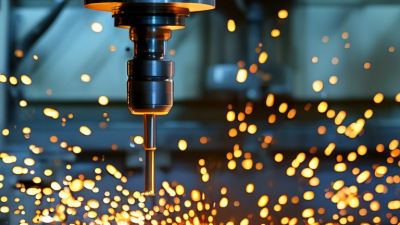
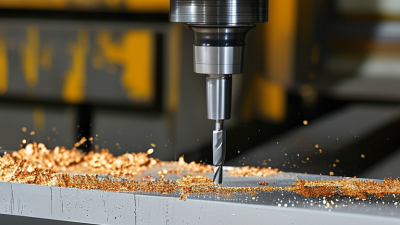
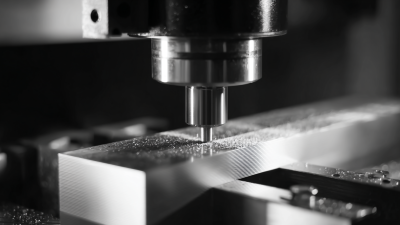
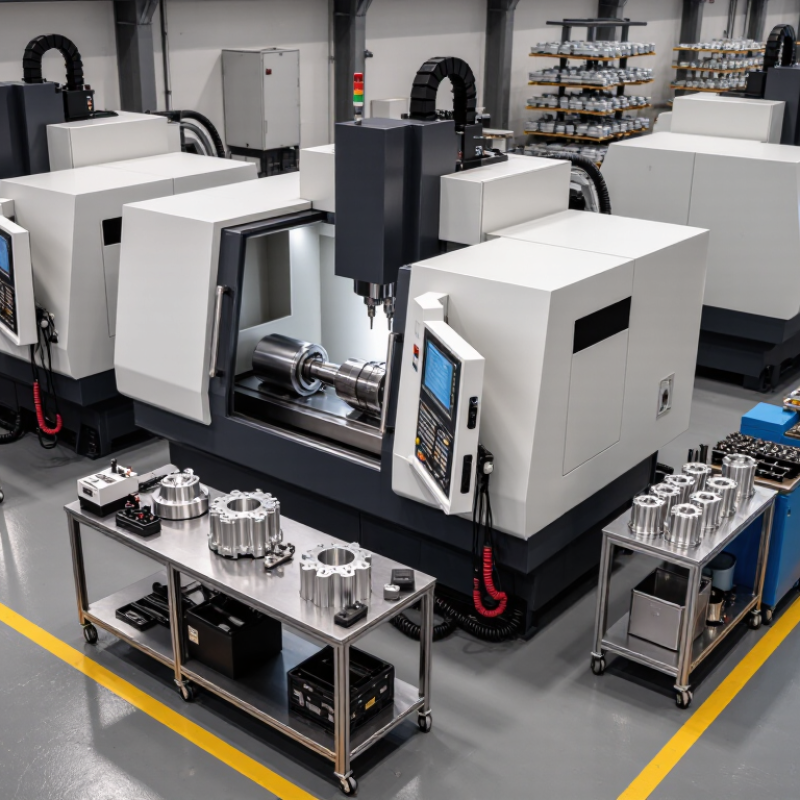
CNC aluminum machining companies in China make parts from engineering drawings using computer-controlled mills and lathes. Typical work includes cutting, drilling, tapping, pocketing, and turning aluminum components. A shop may produce one prototype or repeat batches, depending on its equipment and production setup. Details matter. Before cutting metal, engineers review dimensions, tolerances, material grades, and tool access. A narrow internal corner, for example, may need a larger radius than the drawing initially suggests.
These companies also manage steps beyond machining. Parts may be deburred, cleaned, inspected, and sent for surface treatments such as anodizing. Quality checks can include calipers, gauges, or coordinate measuring equipment, with inspection records supplied when requested. The right inspection method depends on the part’s function; measuring every feature in the same way is not always practical. This step is easy to underestimate.
For buyers, clear drawings and agreed acceptance criteria reduce avoidable revisions. Ask how a supplier handles material traceability, first-article checks, and changes between sample and production batches. Capacity and communication vary from shop to shop, so a polished quotation alone cannot confirm process control. A sample run can reveal fit, finish, and packaging issues early. Even then, results should be checked against the actual application, not just appearance.
CNC Aluminum Machining in China: Common Alloy Densities
CNC machining companies work with aluminum alloys to produce parts through operations such as milling and turning. This chart compares approximate material densities; it does not rank companies or measure machining capability. Alloy choice depends on the part’s strength, weight, corrosion-resistance, and application requirements.
How to Evaluate China-Based CNC Aluminum Machining Suppliers
Evaluating a China-based CNC aluminum machining supplier starts with evidence, not a polished website. Send a controlled drawing that specifies alloy, temper, tolerances, surface finish, and inspection points. Ask whether the supplier can machine the tightest features consistently, then request a sample part and its inspection report. Details matter. Compare measured results with your drawing, especially around holes, thin walls, and mating surfaces. A caliper may suit basic checks, while complex profiles can require a coordinate measuring machine. Ask how measurement tools are calibrated and how out-of-tolerance parts are handled.
Review the production process as carefully as the sample. Request a clear explanation of material sourcing, machining steps, deburring, finishing, and packaging. Ask for photographs of the actual workshop or a live process review, rather than relying only on generic certificates. That is useful. A detailed quotation should identify setup costs, unit pricing, lead time, inspection scope, and shipping assumptions. Not just price. Communication is another practical test: send one technical question and see whether the reply addresses it directly. Even a capable supplier may have gaps in documentation, so check what records will accompany each batch. Before placing a large order, consider a small pilot run and review the parts under your own inspection procedure.
Profiles of 10 CNC Aluminum Machining Companies in China
China’s aluminum machining sector spans prototype workshops and high-volume production plants. The National Bureau of Statistics reported 41.59 million tonnes of electrolytic aluminum output in China in 2023. That scale supports a broad supplier base, but it does not guarantee consistent machining quality. The ten profiles in this guide compare practical capabilities: a rapid-prototyping shop; a high-volume parts supplier; a thin-wall enclosure specialist; a heat-sink producer; an automotive-component workshop; a large-part machining plant; a precision-tolerance supplier; a shop offering machining and anodizing; an assembly-ready parts provider; and an export-focused manufacturer. Each has a different fit.
Look for concrete evidence in each profile: sample inspection reports, stated tolerances, material traceability, and clear finishing options. Ask how the supplier controls burrs on narrow slots or distortion in thin panels. These details matter. A tidy sample is useful, but repeatability matters more. Check whether quoted lead times include surface treatment and final inspection. The profiles also consider equipment range, order flexibility, and communication, while avoiding unverified rankings. One comparison is imperfect: suppliers do not always publish data in the same format. Treat advertised capacity as a prompt for questions, not proof of performance.
China Top 10 CNC Aluminum Machining Companies? - Profiles of 10 CNC Aluminum Machining Companies in China
Company-specific details were not provided or independently verified. To avoid presenting invented supplier information as fact, the entries below are anonymous placeholders, not a ranked list or verified company profiles.
| Profile |
Location in China |
Aluminum Alloys Machined |
CNC Processes and Equipment |
Part Size and Tolerance |
Certifications |
Verification Status |
| Anonymous Profile 1 |
Not provided |
Not verified |
Not verified |
Not verified |
Not verified |
Supplier identity and source data required |
| Anonymous Profile 2 |
Not provided |
Not verified |
Not verified |
Not verified |
Not verified |
Supplier identity and source data required |
| Anonymous Profile 3 |
Not provided |
Not verified |
Not verified |
Not verified |
Not verified |
Supplier identity and source data required |
| Anonymous Profile 4 |
Not provided |
Not verified |
Not verified |
Not verified |
Not verified |
Supplier identity and source data required |
| Anonymous Profile 5 |
Not provided |
Not verified |
Not verified |
Not verified |
Not verified |
Supplier identity and source data required |
| Anonymous Profile 6 |
Not provided |
Not verified |
Not verified |
Not verified |
Not verified |
Supplier identity and source data required |
| Anonymous Profile 7 |
Not provided |
Not verified |
Not verified |
Not verified |
Not verified |
Supplier identity and source data required |
| Anonymous Profile 8 |
Not provided |
Not verified |
Not verified |
Not verified |
Not verified |
Supplier identity and source data required |
| Anonymous Profile 9 |
Not provided |
Not verified |
Not verified |
Not verified |
Not verified |
Supplier identity and source data required |
| Anonymous Profile 10 |
Not provided |
Not verified |
Not verified |
Not verified |
Not verified |
Supplier identity and source data required |
How to Compare Suppliers by Quality, Cost, and Lead Time
When comparing China-based CNC aluminum machining suppliers, assess quality, cost, and lead time together. Ask for material certificates, first-article inspection results, and dimensional reports for critical features. A 6061-T6 bracket may look clean yet miss a bore tolerance after anodizing. Check how the supplier controls that process, not just whether it owns precision machines. A polished sample is not proof of stable production.
Cost comparisons need the same drawing, alloy, finish, quantity, packaging, and inspection scope. Request a breakdown for setup, machining, finishing, and shipping; vague quotes make trade-offs hard to spot.
Deloitte and MAPI’s 2019 Smart Factory Study found that 86% of surveyed executives expected smart factory solutions to drive competitiveness within five years.
For buyers, digital inspection records can make revisions and batch consistency easier to verify, though software alone cannot guarantee quality. Compare quoted lead times against sample and production schedules, and ask what happens when a tool wears or a finishing step slips. Plans can fail.
Tips: Send identical RFQs to each supplier. Check one recent inspection report, clarify tolerance exceptions in writing, and compare promised dates with actual delivery records. Ask for a pilot run before committing to larger volumes.