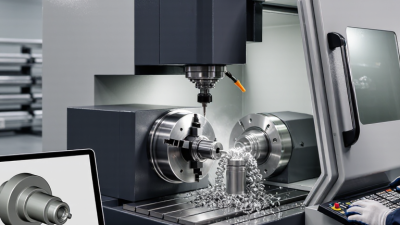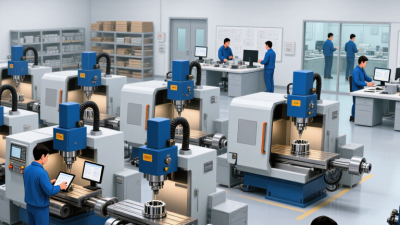
Choosing a production method can shape a part’s accuracy, cost, and delivery schedule. CNC machining removes material from a solid block with programmed cutting tools. It can suit prototypes and repeat production runs. A milled aluminum housing, for example, may combine mounting holes, slots, and flat reference surfaces. The process also handles many plastics and engineering metals, though each material affects tool wear, surface finish, and machining time. Small details matter.
A sound decision starts with the part’s function, material, quantity, and required tolerances. Engineers and machinists can review the drawing together, checking features such as thin walls, deep pockets, and tight internal corners. These may add setup time or require specialized tools. A finish that looks simple on screen can also need extra work after cutting. It happens. CNC machining is not the best fit for every design or budget; other production methods may be more practical for some parts or larger volumes. Before committing, confirm critical dimensions, inspection needs, and how the component will be used. This guide explains where CNC machining offers real advantages, what trade-offs to consider, and which questions can help you assess a project realistically. A careful review early on can prevent avoidable changes later. Still, estimates depend on the actual design and supplier capabilities, so treat early numbers as a starting point—not a guarantee.
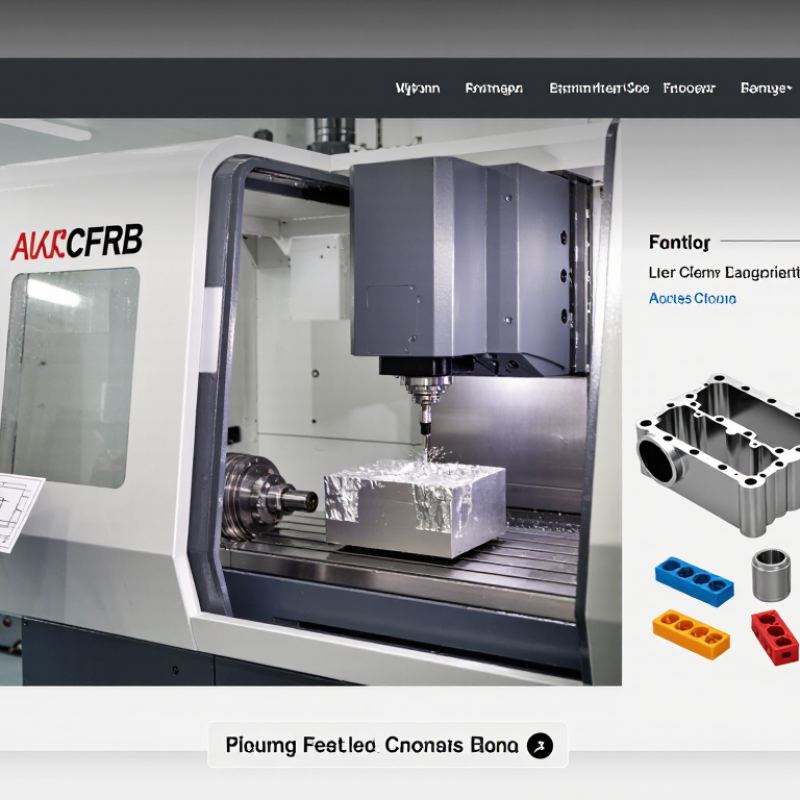
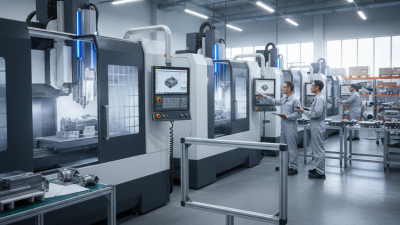
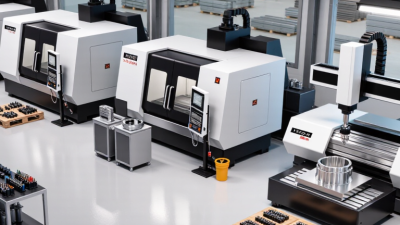
CNC machining uses computer-controlled tools to remove material from a solid workpiece. A designer creates a 3D model, then CAM software turns its geometry into tool paths and machine instructions. These instructions guide the spindle, cutting tool, and workholding system. On a three-axis mill, the tool moves along X, Y, and Z; a lathe instead rotates the workpiece against a cutting tool. The machine cuts away material in measured passes. Chips collect around the part, while coolant may reduce heat and friction.
The operator checks the setup, selects tools, and verifies the first cut against the drawing. Tool wear, vibration, and clamping can all affect the result. A tight tolerance is possible, but it is not automatic; material and geometry matter. This human role remains important. The U.S. Bureau of Labor Statistics projects 2% employment growth for machinists and tool-and-die makers from 2023 to 2033, underscoring the continued need for skilled manufacturing work. That figure covers the occupations, not CNC jobs alone.
One overlooked detail: a small setup error can spoil an otherwise accurate tool path. The part still needs judgment.
CNC machining turns CAD geometry into repeatable cuts, using programmed toolpaths to control position, speed, and depth. A three-axis mill handles flat faces, pockets, and drilled holes; five-axis equipment can reach angled features with fewer setups. That can reduce handling marks and alignment errors. Not magic. Tool access still limits deep slots, thin walls, and sharp internal corners. I check those details before approving a design.
Material choice is broad, including aluminum, stainless steel, titanium, and engineering plastics. For a milled part, a shop might quote ±0.1 mm, but achievable tolerance depends on material, geometry, and inspection method. Tighten a dimension only when function requires it. Grand View Research estimated the global CNC machine market at about US$83.99 billion in 2023, with projected growth through 2030. This signals sustained industrial investment, not a guarantee of quality. Ask for a capability review, inspection records, and a first-article check. A small-radius internal corner may need a larger cutter, changing the design. I still revisit that assumption.
CNC machining removes material from a solid block using programmed cutting tools. With a stable setup and suitable inspection, it can hold tight dimensions across complex parts. A machined aluminum housing, for example, may need flat mounting faces and accurately spaced holes. Measuring these features during production helps catch tool wear before it affects more parts. Small details matter. Still, precision depends on more than the machine; unclear drawings or rushed setup can undermine a good process.
Tips: Share critical dimensions, tolerances, and surface requirements before production. Ask how key features will be measured. A simple inspection plan can prevent avoidable rework, though it adds time and cost.
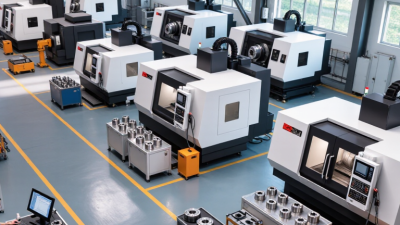
Consistency makes CNC machining useful for repeat orders. Once the program, tooling, and workholding are validated, each cycle follows the same planned path. This supports predictable batches and easier assembly. Production volume matters, too: setup and programming take effort, so CNC may not suit every one-off part. Review the design with a machinist, especially where deep pockets, thin walls, or tight tolerances could slow cutting or cause distortion. A small design change can sometimes simplify production without weakening the part.
CNC machining suits parts that need accurate holes, flat faces, slots, or repeatable dimensions. Think of an aluminum bracket with clean mounting bores, or a stainless-steel valve body with carefully aligned passages. It also works well for engineering plastics when heat, clamping, and tool choice are managed carefully. Small batches are practical because parts can be cut directly from stock without dedicated molding tools. Good for prototypes, too.
Material choice should follow the part’s job. Aluminum is light and relatively easy to machine; stainless steel handles corrosion and wear but generally takes longer to cut. Acetal and nylon can suit low-friction components, though thin walls may flex during machining. Geometry matters as much as material. Deep, narrow pockets and hidden undercuts can require extra setups, longer tools, or design changes. That can surprise teams.
Grand View Research’s CNC Machine Market report estimated the global market at USD 86.83 billion in 2023, with a projected 5.5% annual growth rate from 2024 to 2030. This signals broad industrial demand, not that CNC is automatically the best route for every part. A useful design review checks tolerances, surface finish, stock size, and expected quantity together. Even experienced teams sometimes specify tighter tolerances than the function needs. That adds machining time and cost.
| Project Type | Common Materials | Typical CNC Operations | Why CNC Machining Fits | Practical Considerations |
|---|---|---|---|---|
| Precision equipment housings | Aluminum alloys, stainless steel, engineering plastics | 3-axis or 5-axis milling, drilling, tapping | Produces accurate mounting faces, bores, pockets, and enclosure features from solid stock. | Wall thickness, tool access, and internal corner radii affect manufacturability and machining time. |
| Prototype brackets and fixtures | Aluminum, mild steel, stainless steel | Milling, drilling, reaming | Design changes can be made directly to the CAD model without creating dedicated production tooling. | Choose a material that reflects the prototype’s intended load, environment, and testing needs. |
| Shafts, pins, and cylindrical components | Aluminum, alloy steel, stainless steel, brass | CNC turning, facing, grooving, threading | Turning is well suited to rotational parts with concentric diameters, shoulders, grooves, or threads. | Long, slender parts may need additional support to control deflection during machining. |
| Fluid and pneumatic components | Aluminum, stainless steel, brass, acetal | Milling, boring, drilling, tapping | Machining can create ports, sealing faces, and intersecting passages in a single component. | Deep or intersecting passages may require careful tool selection, chip removal, and inspection. |
| Heat sinks and thermal plates | Aluminum, copper | Face milling, pocketing, slotting, drilling | Supports custom bases, mounting patterns, and machined thermal-contact surfaces. | Thin fins and narrow slots can increase machining time and may be vulnerable to vibration or damage. |
| Wear-resistant machine components | Hardened or alloy steel, stainless steel, engineering plastics | Milling, turning, grinding where required | Suitable for making replacement parts and low-volume components with defined fits and functional surfaces. | Hardness and heat treatment influence tool choice, machining sequence, and achievable surface finish. |
| Lightweight structural components | Aluminum alloys, titanium alloys | 3-axis or 5-axis milling, drilling | Can remove material selectively to create complex shapes and reduce weight while retaining key features. | Thin sections and complex setups may require added workholding and careful control of distortion. |
| Custom plastic panels and insulators | Acetal, nylon, polycarbonate, PEEK | Milling, drilling, routing | Useful for low-volume custom parts where molded tooling may not be economical. | Plastic grades differ in stiffness, moisture response, and heat sensitivity; allow for material-specific behavior. |
CNC machining is especially useful for prototypes, custom parts, and low-to-medium production volumes that need precise features or a broad choice of materials. Actual tolerances, surface finish, cost, and lead time depend on part geometry, material, machine setup, and inspection requirements.
Choosing CNC machining starts with the part’s function, not just its drawing. Identify the surfaces that need close tolerances and those where slight variation is acceptable. Tightening every dimension can increase inspection time and cost without improving performance. Be specific where precision matters.
Material choice affects more than strength. Aluminum is relatively light and easy to machine, while stainless steel may require slower cutting and careful heat control. Plastics can be useful for low-friction parts, but heat and clamping pressure may distort them. Ask how the material behaves during machining and in its final working environment. A material that looks suitable on paper may not be the best fit.
Part geometry and order quantity matter, too. Deep pockets, thin walls, and hard-to-reach features can require extra setups or specialized tools. A small design change, such as adding a tool-access radius, may simplify production. Surface finish, required delivery date, and inspection needs also affect the quote. Check these details early. One tradeoff is easy to miss: a highly optimized design can be harder to revise later. If the design is still changing, leave room for another review before committing to production.